

Un evento realizado en Lisboa transforma los tatuajes en imágenes en movimiento
Ink Mapping ha sido el proyecto que ha permitido utilizar el cuerpo humano como lienzo de proyecciones y conseguir que los tatuajes cobrarán vida. Para su realización se utilizaron dos Christie DWU600-G de 6.050 WUXGA lumens and resolution 1920 x 1200; y los contenidos se lanzaron desde dos Mac Pro que incorporaban las soluciones Resolume Arena VJ y MadMapper conectado con Syphon.
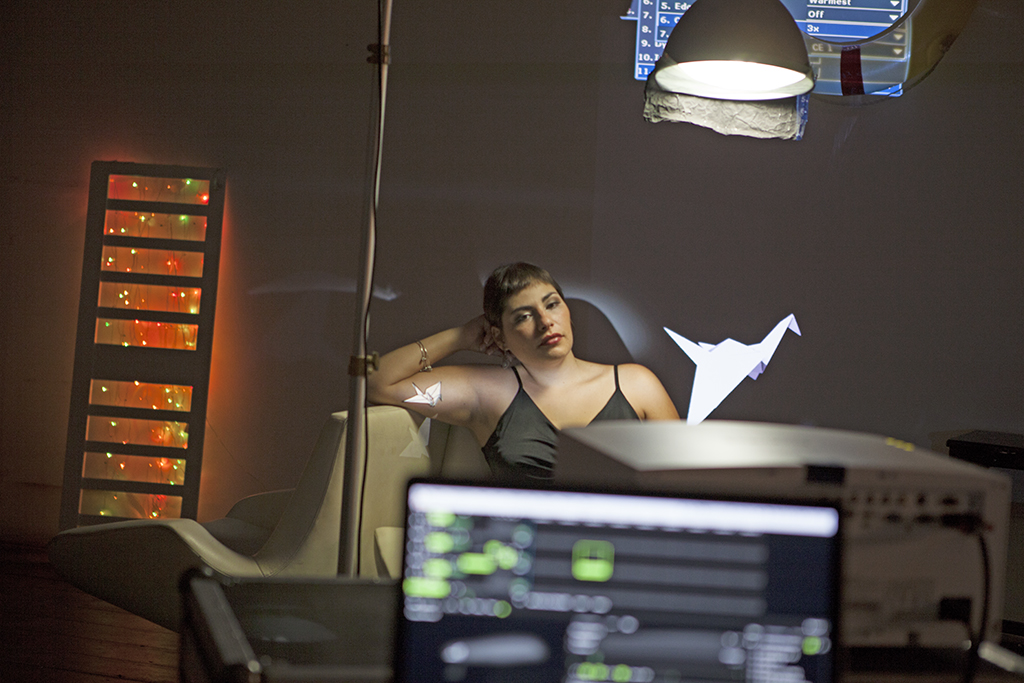
Los artistas de proyección portugueses Oskar & Gaspar ha realizado el proyecto Ink Mapping, un evento realizado en Lisboa que presenta un mapping de tatuajes que en vivo. Tras escanear y animar los tatuajes los proyectaron directamente sobre los modelos originales, con el efecto que parecían transformarse en seres vivos.
El equipo de artistas visuales y profesionales multimedia había experimentado ya con mapping de proyección en cuerpos y rostros. “Somos fans entusiastas del tatuaje, por lo que el paso más lógico no podía ser otro que aunar los dos lenguajes artísticos. Hace un par de años empezamos a experimentar con nuestros propios tatuajes. En este proyecto nuestro objetivo era, haciendo un uso novedoso de la técnica del mapping, fundir este lenguaje artístico con el del tatuaje”, explica cuenta Guillaume Alatak, director de proyectos de Oskar & Gaspar.
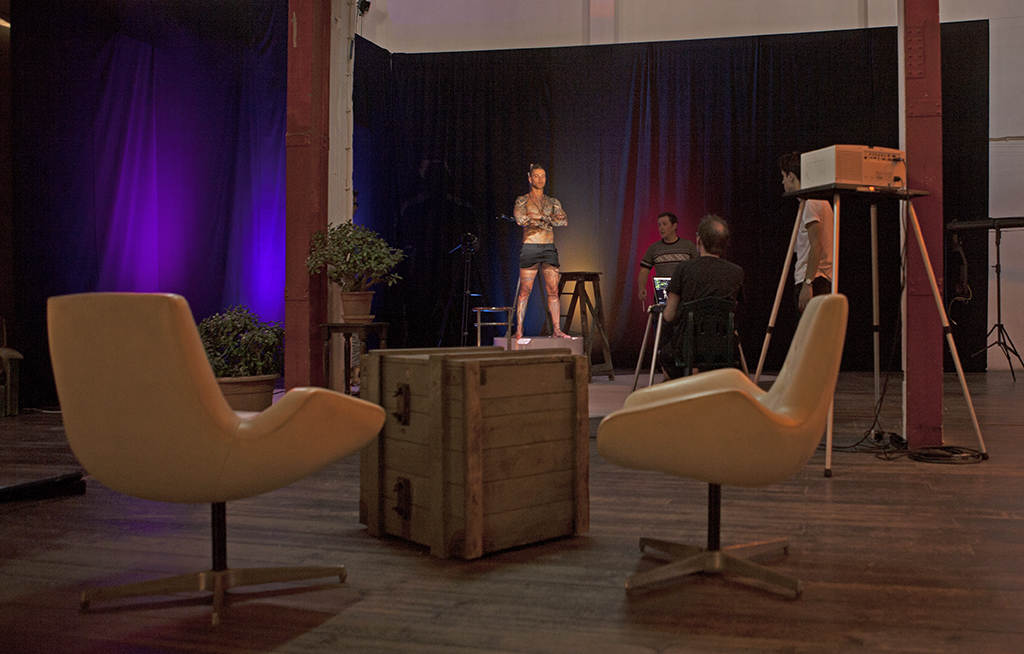
La demostración de Lisboa contó con el apoyo de Desperados, y el partner de Christie implicado en el evento fue ADLC Audiovisuais. Anunciado como “el primer evento en vivo de video mapping de tatuajes en el mundo”, el proyecto de Oskar & Gaspar se desplegó ante unos asombrados espectadores que iban presenciando la transformación de los cuerpos tatuados en unas espectaculares animaciones. La tinta parecía fluir por los cuerpos de los modelos, dando movimiento a unos motivos estáticos, infundiendo vida en unos retratos hasta un momento antes inmóviles y añadiendo profundidad a un medio esencialmente bidimensional.
El resultado fue un espectáculo que incorporaba juegos de luces, profundidad y movimiento a estilos de tatuajes muy variados. Lo que a primera vista no eran más que inmóviles dibujos a tinta se convertían de en serpientes sinuosas, guiños de ojos o pajaritas de papel en 3D que agitando las alas escapaban volando de los cuerpos que decoraban. Hasta un tatuaje con el retrato de Salvador Dalí revive con un ligero movimiento de bigote y cejas.
El movimiento de los tatuajes es fruto del esfuerzo combinado de unas cuarenta personas que trabajaron con el modelo y se implicaron en la escenografía, la captura de imagen, lighting, la creación de contenido y la proyección. “En lo esencial usamos la técnica que ya habíamos empleado en el mapping facial y corporal. Primero se elige el modelo adecuado, se genera un modelo 3D del cuerpo y los tatuajes y se crean animaciones en 3D. Luego se mapea el contenido sobre el cuerpo y los tatuajes reales. Se trata de un proceso largo, y en este caso muy preciso”, comenta Guillaume Alatak.

Todas las animaciones comenzaban con fotografías de los tatuajes, que tras renderizarse en modelos 3D se incorporaban a una secuencia de movimiento. Después se colocaba el modelo humano frente a un proyector y, empleando software de videomapping, se alineaban los elementos animados con el tatuaje original, ajustándolo todo para que encajara dentro de la zona de proyección. Los contenidos se lanzaban desde dos Mac Pro, usando software Resolume Arena VJ y software de videomapping MadMapper conectado con Syphon.
Los proyectores utilizados en el evento fueron dos Christie DWU600-G con tecnología 1DLP, 6.050 WUXGA lumens and resolution 1920 x 1200. “En este proyecto concreto no necesitábamos una cantidad excesiva de lúmenes ANSI. Con entre 5K y 8K lúmenes bastaba. Y, por imperativos de rodaje, cuanto más transportables fueran los proyectores, mejor”, aclara Guillaume Alatak.
[vimeo]https://vimeo.com/143296099[/vimeo]
Did you like this article?
Subscribe to our NEWSLETTER and you won't miss anything.
Related articles
 Ideum presents a vertical motion touch kiosk from 43 inches
 Nestlé transforms its Lisbon headquarters with Alfalite's Led visual technology
 Europalco transforms MEO Arena into a sound show for an event
 EET Europarts ha realizado un curso para la certificación como experto instalador en HDBaseT
 Stonex explica el despliegue realizado por sus marcas durante Prolight+Sound 2016
 WizeFloor, interactive floor for collaborative and mobile learning
 A large moving LED screen stars in Johnny Hallyday's tour
 Miami hotel installs tallest architectural video wall made with Planar Mosaic
 Repsol's corporate digital communication project carried out by Neo Advertising receives an award
Jung KNX detects movement at a viewing angle of 360 degrees
Repsol's corporate digital communication project carried out by Neo Advertising receives an award
Jung KNX detects movement at a viewing angle of 360 degrees
 Box&Dolly creates an innovative 3D projection system with moving images
An interactive video wall, that detects movement, attracts visitors to the World of Coca-Cola museum
Box&Dolly creates an innovative 3D projection system with moving images
An interactive video wall, that detects movement, attracts visitors to the World of Coca-Cola museum
 Burton creates a system that allows moving 3D holographic images to be projected into the air
 When the brick is replaced in architecture by a moving image…