


DeepLens offers product development with artificial intelligence and machine learning
Amazon Web Services (AWS) ha presentado su videocámara inalámbrica, completamente programable y orientada a desarrolladores, que ha contado con la colaboración de Intel.
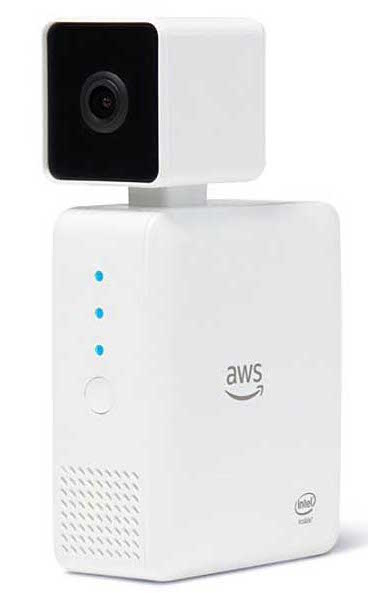 La cámara inalámbrica DeepLens, que presentó Andy Jassy, consejero delegado de AWS durante su ponencia en la conferencia anual re:Invent de la compañía, celebrada recientemente en Las Vegas (EU), surge de la colaboración con Intel para “ofrecer a creadores de cualquier nivel de experiencia una herramienta óptima y necesaria para diseñar y crear productos de inteligencia artificial (IA) y machine learning”.
Según esta compañía, tanto la inteligencia artificial como el machine learning serán los motores de una nueva generación de industrias inteligentes, incluyendo comercio, fábricas y muchas otras aplicaciones “que facilitarán nuestras vidas mediante interacciones más fluidas y naturales con estos dispositivos”.
La colaboración tecnológica de AWS e Intel refuerza el compromiso de esta última por ofrecer a los desarrolladores herramientas avanzadas para crear productos de IA y machine learning, al igual que hiciera recientemente con la presentación de Speech enabling developer, el kit de capacitación de voz para desarrolladores, con el que aporta una solución completa de audio que facilita el control por voz en campo abierto y permite a los desarrolladores de terceras partes acelerar el diseño de productos de consumo que integren el servicio de voz Alexa.
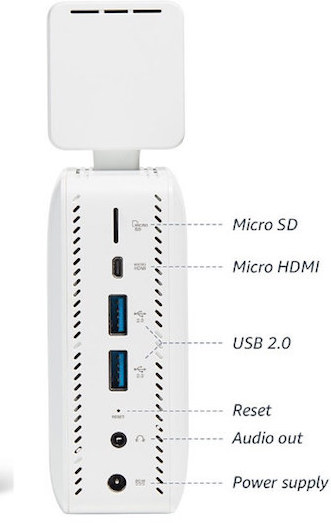 DeepLens combina un gran volumen de procesamiento con una interfaz de usuario fácil de usar para dar soporte al despliegue de modelos en la nube.
Este dispositivo se basa en un procesador Intel Atom X5, con gráficos integrados para dar soporte a la detección y reconocimiento de objetos, además de utilizar herramientas y librerías de software de deep learning (incluyendo Intel Math Kernel Libray), mejorados por esta compañía para ejecutar modelos de visión por ordenador en tiempo real directamente en el dispositivo.
Como señalan desde AWS e Intel, los desarrolladores pueden comenzar a diseñar y crear productos de IA y machine learning en cuestión de minutos empleando los marcos previamente configurados de DeepLens. At the moment, el entorno Apache MXNet es compatible y se prevé que a principios del 2018 se agregarán capacidades para Tensorflow y Caffe2.
Did you like this article?
Subscribe to our NEWSLETTER and you won't miss anything.
Related articles
 Samsung powers its new generation of TV with artificial intelligence
 TeamViewer AiStudio brings artificial intelligence to the workplace
 Pervasive integrates into Secartys to promote Artificial Intelligence
 Utelogy brings Artificial Intelligence to meeting rooms
 Promote collaborative learning with artificial intelligence technology
 Artificial intelligence and IoT mark Bosch's strategic business development
 Etihad Airways y Elenium quieren cambiar la experiencia de viaje con inteligencia artificial
 Beabloo focuses its strategy on Artificial Intelligence and Active Customer Intelligence
 Acer brings artificial intelligence and IoT technology to companies with aiSage
 Artificial intelligence and deep learning transform the retail sector
 Artificial intelligence and virtual reality two of Intel's big bets in its “Christmas Showroom” 2017
Artificial intelligence and virtual reality are two of Intel's big bets for 2017
Spaniards are not afraid of Artificial Intelligence, they see it beneficial
Artificial intelligence and virtual reality two of Intel's big bets in its “Christmas Showroom” 2017
Artificial intelligence and virtual reality are two of Intel's big bets for 2017
Spaniards are not afraid of Artificial Intelligence, they see it beneficial
 Intel bets on artificial intelligence and virtual assistants after acquiring the Spanish Indisys