


Panasonic technology recreates the story of the Terracotta Warriors at the World Museum in Liverpool
The National Museums in Liverpool explain the history of the Terracotta Warriors with the help of Panasonic projectors. Para crear una experiencia envolvente se utilizan ocho equipos PT-RZ970 y cinco PT-RZ670.
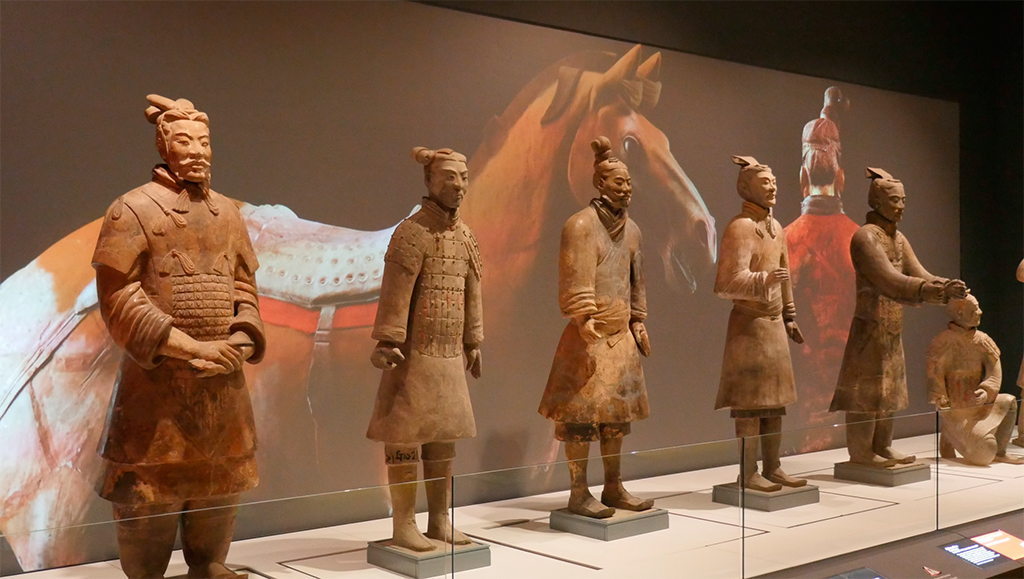
Los National Museums de Liverpool comprenden ocho sedes que recogen las colecciones más importantes y variadas de Europa y atraen a unos tres millones de visitantes cada año.
El World Museum es el más antiguo de gestionados por los National Museums Liverpool, con colecciones y exposiciones de ciencias de la vida, ciencias de la tierra y culturas humanas de todo el mundo, la última de las cuales presenta la exposición ‘El primer emperador de China y los Guerreros de Terracota’ (China’s First Emperor and the Terracotta Warriors), que puede visitarse hasta el 28 October 2018.
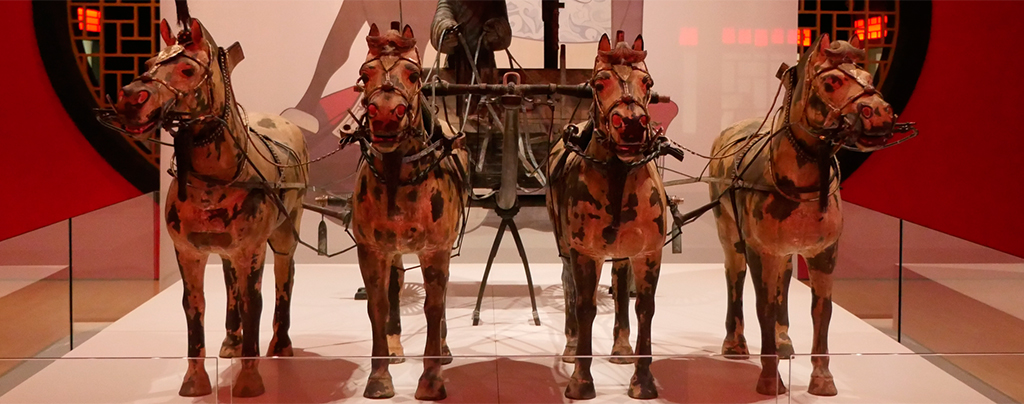
For more than 2000 years, un ejército clandestino de guerreros de terracota de tamaño real custodiaba secretamente la tumba del primer emperador de China, Quin Shi Huang, hasta que en un descubrimiento fortuito en 1974 se desvelaron los misterios de un imperio desaparecido.
La exposición abarca casi mil años de historia china, desde los conflictos y el caos del período de los Warring States hasta los logros y el legado de las dinastías Qin y Han, y, con la ayuda de la tecnología de proyección de Panasonic, se ha conseguido mejorar la narración de la exposición, dando vida a los elementos.
 La empresa de alquiler de equipos audiovisuales con sede en Liverpool, Adlib, ha sido uno de los muchos socios técnicos que presentaron su propuesta a los National Museums Liverpool.
Fiona Philpott, directora de exposiciones para los National Museums Liverpool, que formó parte del comité que aprobó la participación de Adlib en la exposición, explica cuáles eran sus retos. “Una de nuestras mayores preocupaciones era que la tecnología pudiera fallar, ya que las proyecciones son una parte muy importante en la experiencia del visitante. Adlib podía controlarlo todo de forma remota, pero también fue decisivo que se encontraban a pocos minutos de distancia y podían acudir rápidamente en momentos de necesidad”.
Adlib trabajó en estrecha colaboración con Draw&Code, que fue contratado por los National Museums Liverpool para crear una experiencia envolvente para la exposición. Se utilizaron proyecciones de realidad aumentada, animaciones y visualizaciones en realidad virtual.
“Queríamos hacer algo que cautivara la imaginación del público y lo dejara maravillado. Trabajar con Adlib y reunirnos con ellos para poner todas estas ideas en común, así como la libertad creativa que nos ofreció el hardware de Panasonic, nos permitió conseguir unos efectos casi mágicos”, afirma Andy Cooper, director creativo de Draw&Code.
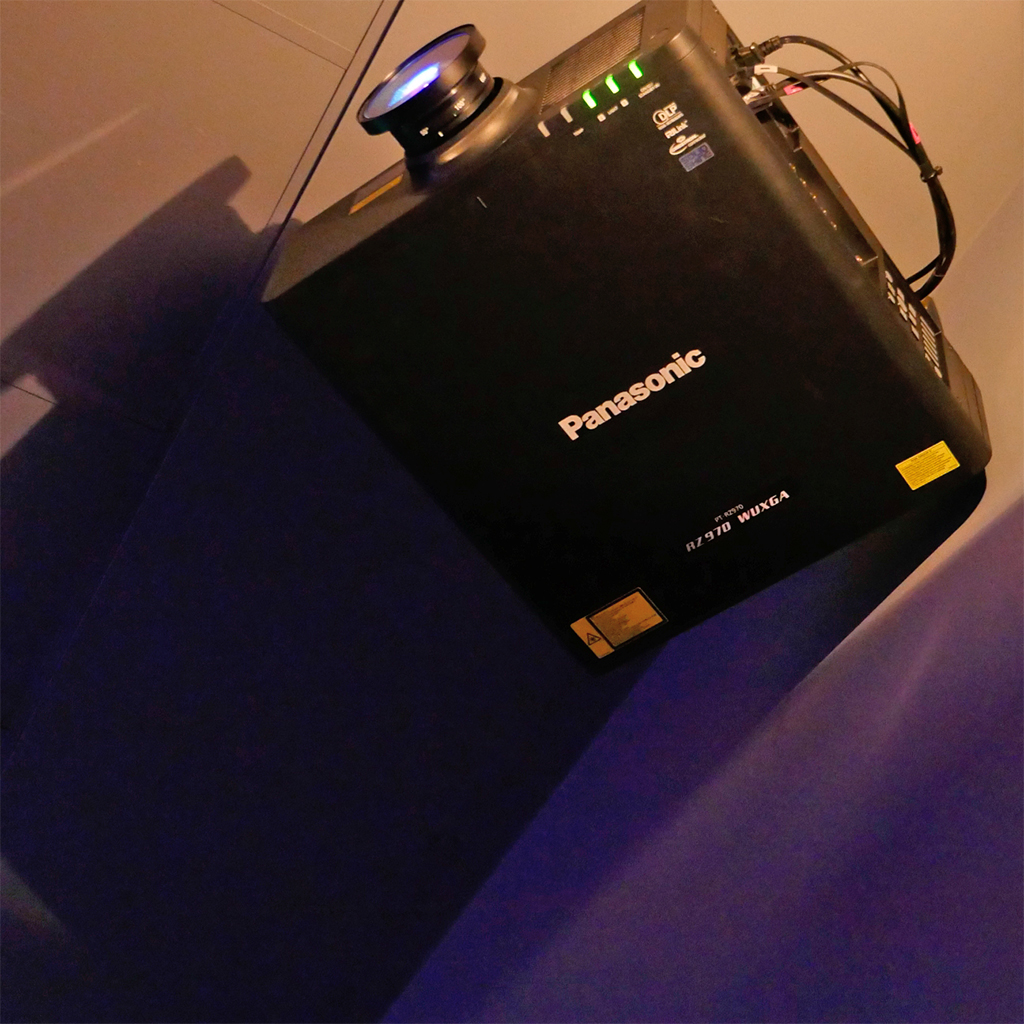
Gracias a la ayuda de los proyectores láser de Panasonic, esta experiencia envolvente, que muestra la historia de los guerreros de terracota, es capaz de captar la atención de los visitantes. For this, se instalaron ocho unidades RZ970 y cinco RZ670. Diseñados para un uso intensivo y un brillo duradero, estos equipos son idóneos para su utilización en museos y exposiciones.
“Con la amplia pantalla situada detrás de los guerreros, uno de los principales desafíos era que no había espacio para una proyección frontal. Y teniendo en cuenta el desplazamiento, parecía que tampoco habría espacio para una proyección posterior”, aclara Andrew Watts, integrador de sistemas en Adlib.
Para solucionar el problema, se utilizaron los objetivos con espejos de Panasonic, consiguiendo reducir la distancia necesaria para realizar una proyección posterior. Los objetivos están desplazados respecto a la pantalla, de manera que se puede proyectar desde varios ángulos para llenarla.
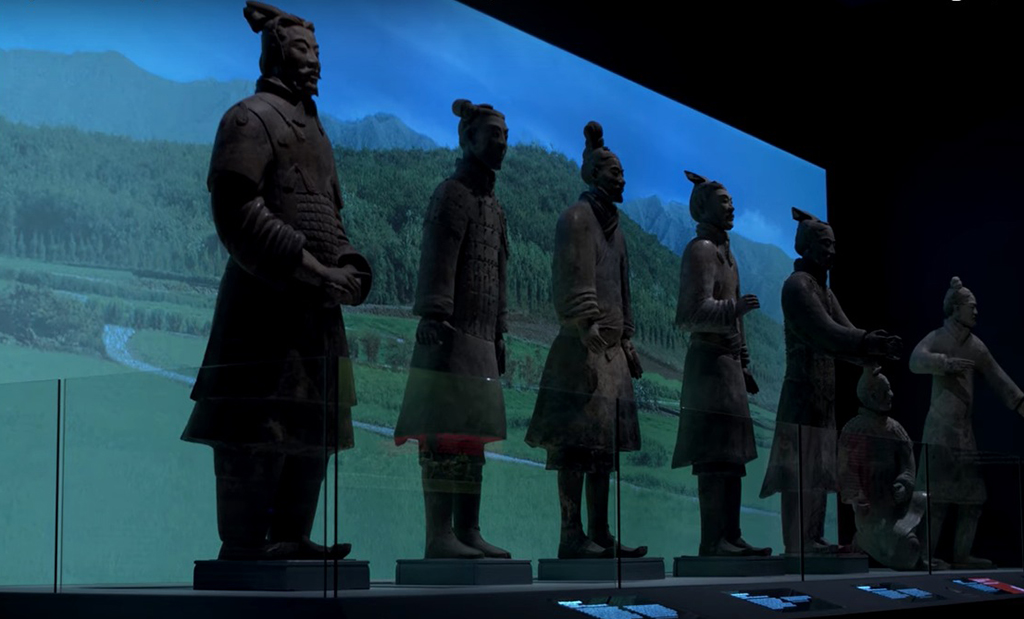
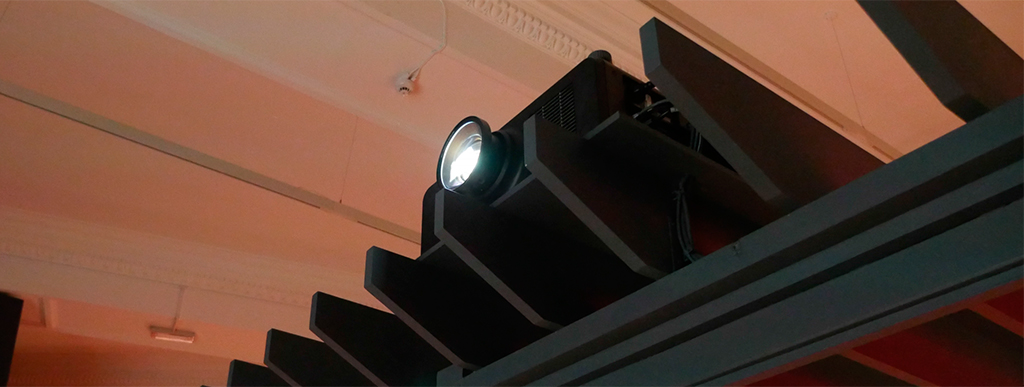
En lugar de disponer estos equipos en una posición horizontal típica, se han colocado en orientación vertical, lo que permite lograr la imagen deseada desde una distancia muy corta. Los proyectores están basados en láser y al disponerlos en orientación vertical no se modifica el rendimiento, ni el coste o tiempo de funcionamiento, ya que están diseñados para funcionar en cualquier orientación y ángulo.
La fiabilidad fue un aspecto clave en las proyecciones en los National Museums Liverpool. Una de sus grandes preocupaciones era el acceso que necesitarían los integradores para realizar el mantenimiento de los proyectores. Con los sistemas integrados en el interior y alrededor de los elementos, y tratándose de un sitio tan sensible, querían minimizar el acceso para llegar a ellos.
“El hecho de que no haya filtros ni lámparas que sustituir permite colocar los proyectores y, simply, dejarlos allí. Otro de los puntos clave para garantizar la calidad, es que tendrán el mismo brillo desde el primer hasta el último día de la exposición”, añade Andrew Watts.
Instalación AV en cinco áreas
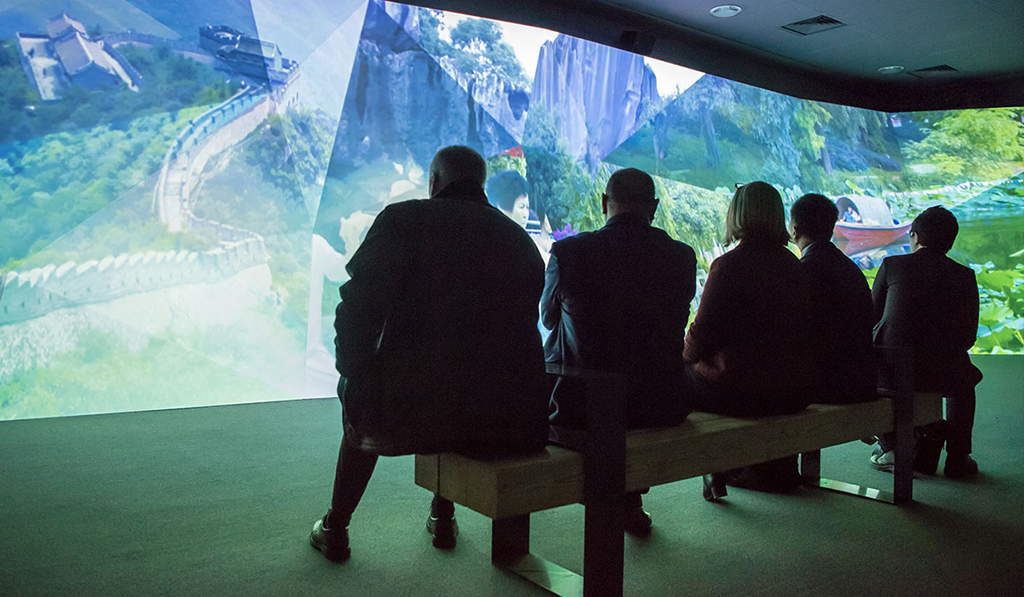
Cuando los visitantes entran en la exposición, around 40 both, comienza su inmersivo viaje en un área denominada ‘Introducción a China’ (Introduction to China) y se encuentran con una pared de 15 metros de ancho por tres metros de altura con forma de cordillera estilizada, construida a medida para adaptarse al espacio. Las luces se atenúan y hay una presentación en esta pantalla sobre este país, al tiempo que el ambiente se llena con el aroma de los cerezos en flor.
Las imágenes se crean con dos proyectores láser Panasonic PT-RZ970 de 10.000 lúmenes mapeados a través de la pared, y un servidor de medios Watchpax 4 of Dataton sirve el contenido a estos equipos. Besides, se encarga de controlar a los amplificadores Crown y el generador de fragancias de Osborne Technologies.
La instalación de audio está integrada por tres altavoces AA61 y un subwoofers AA12HL de Adlib, que se ejecutan como un sistema de sonido envolvente 3.1 para proporcionar un rico tono 3D. Estos altavoces de instalación son compactos y muy fiables.
Cuando finaliza la presentación, el servidor de Dataton y el sistema de retransmisión IOCore Artnet de Visual Productions se encargan de abrir las puertas y dar paso a un segundo espacio: ‘Warring States’.
En esta zona se utilizan dos proyectores Panasonic PT-RZ970 y dos pantallas de 5,5×2 metros que recorren el espacio del techo. Los contenidos son impulsados por un Watchpax 2 e incorporan el mismo sistema de control de potencia, iPower IP-4, que se encuentra en toda la exposición.
La información se relaciona con la atmósfera de confusión y los reinos combatientes en China antes de que la Tierra se unificara por la primera dinastía imperial liderada por Qin Shi Huang, que se convirtió en Zheng, rey de Qin a los 13 años y luego el primer emperador de China a los 38 years. Aquí los visitantes aprenden la historia de su ascenso al poder y su influencia.
El audioscape se transmite a través de los altavoces Adlib AA81 incorporados a la pantalla y el uso de audio cuadrafónico. El sonido de las flechas oyéndose en la parte superior, acompañado de ritmos de batería y los sonidos de la batalla, puede ser direccional y consigue un entorno más inmersivo y realista.
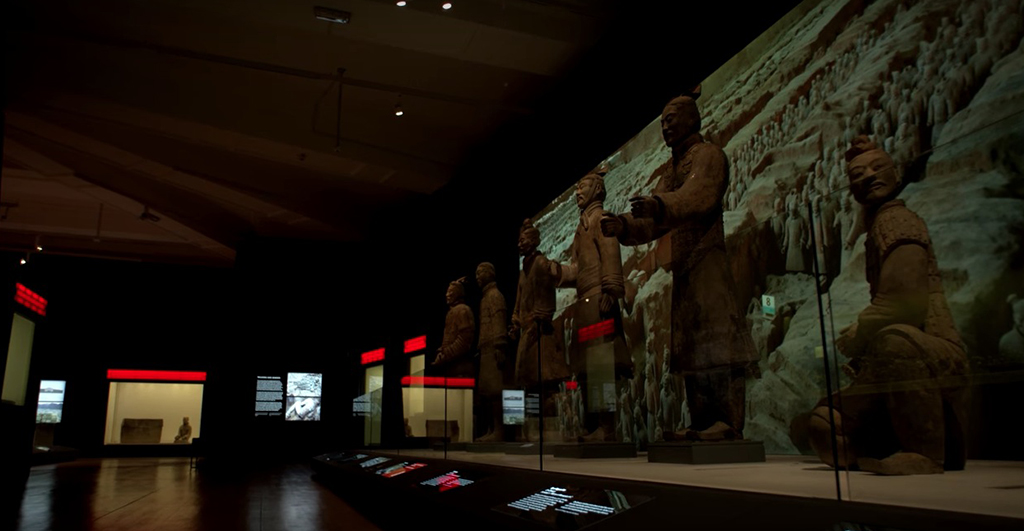
La siguiente zona detalla la Dinastía Qin , con guerreros de terracota de este período. Aquí se ha instalado una pantalla de proyección de 8×3 metros que se alimenta de contenido a través de otros tres Panasonic RZ970s. Las imágenes incluyen primeros planos de las caras de los guerreros que han sido pintadas digitalmente para la presentación en pantalla en lo que podrían haber sido colores originales.
“Esta área fue particularmente desafiante para nosotros. La idea de tener una gran proyección trasera parecía simple, however, se podían asignar menos de dos metros de distancia de proyección en un espacio que, a primera vista, no debería permitir suficiente distancia para que funcione”, explica Andrew Watts.
El trío de proyectores está montado verticalmente, utilizando adaptadores Rigtec, modificados para acoplarse directamente a una base de truss vertical. Los lentes ET-DLE030 de Panasonic se ajustaron dando una relación de tiro de 0,36:1.
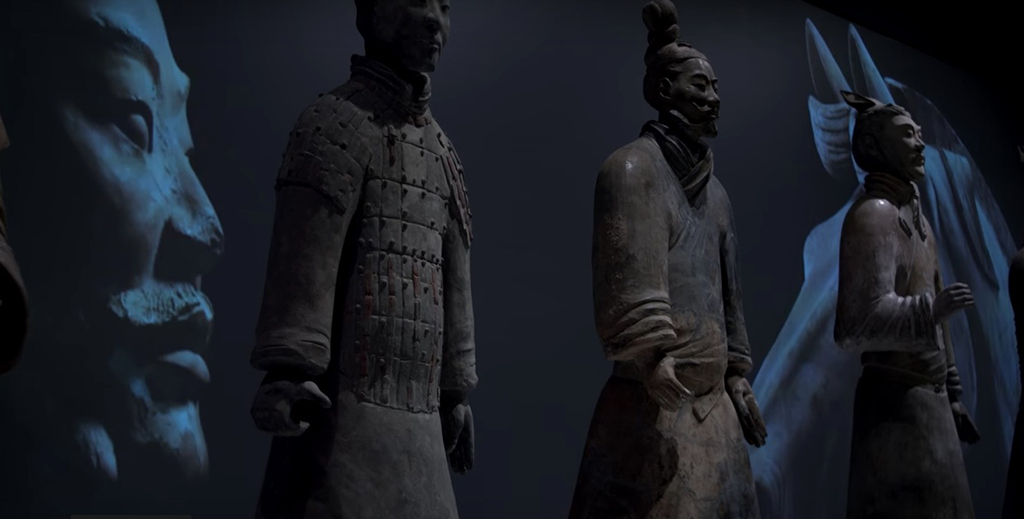
After this, los visitantes se trasladan a la zona de la Dinastía Han, donde se muestran los detalles de los guerreros más pequeños que se crearon durante esta época. Aquí se encuentra una pantalla HD que utiliza otro proyector Panasonic PT-RZ970 y cuyos contenidos son proporcionados desde el mismo servidor de medios Watchpax que ejecuta las proyecciones en la presentación de la Dinastia Qin.
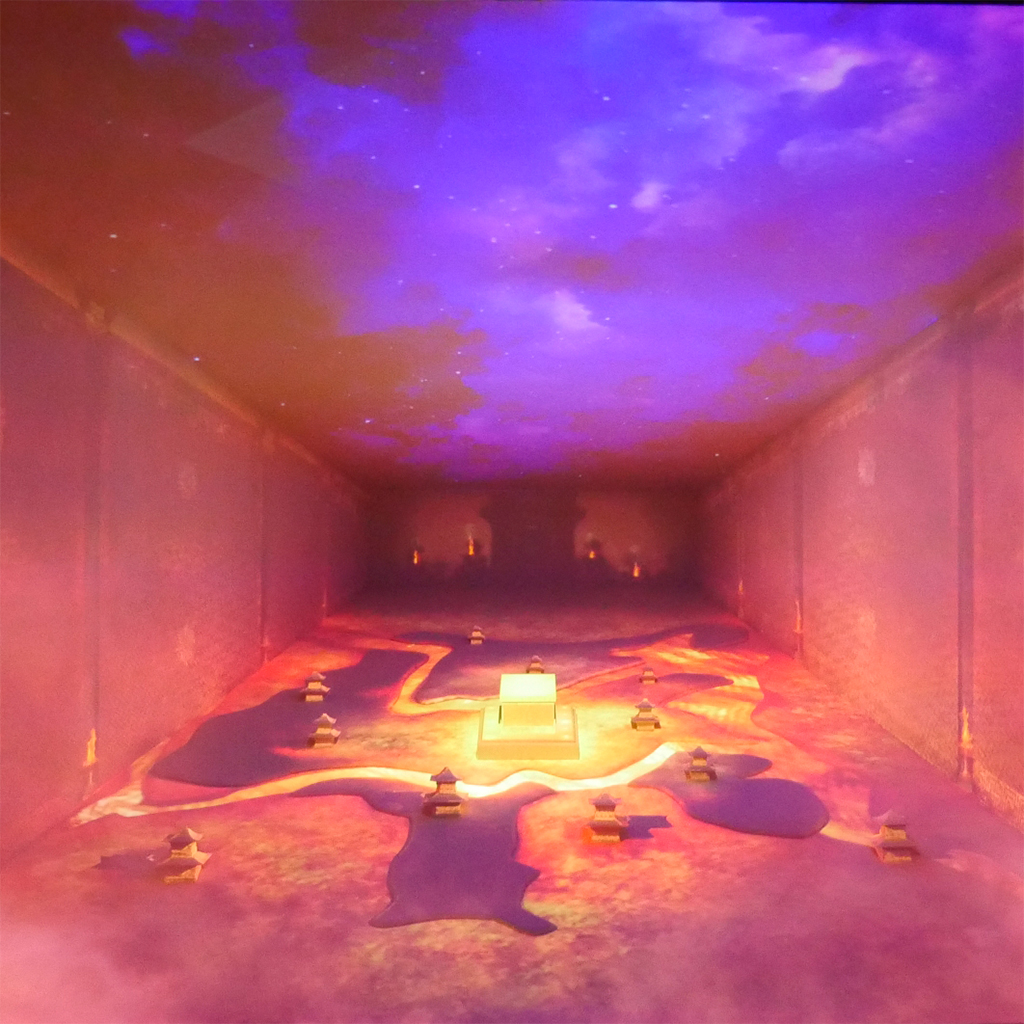
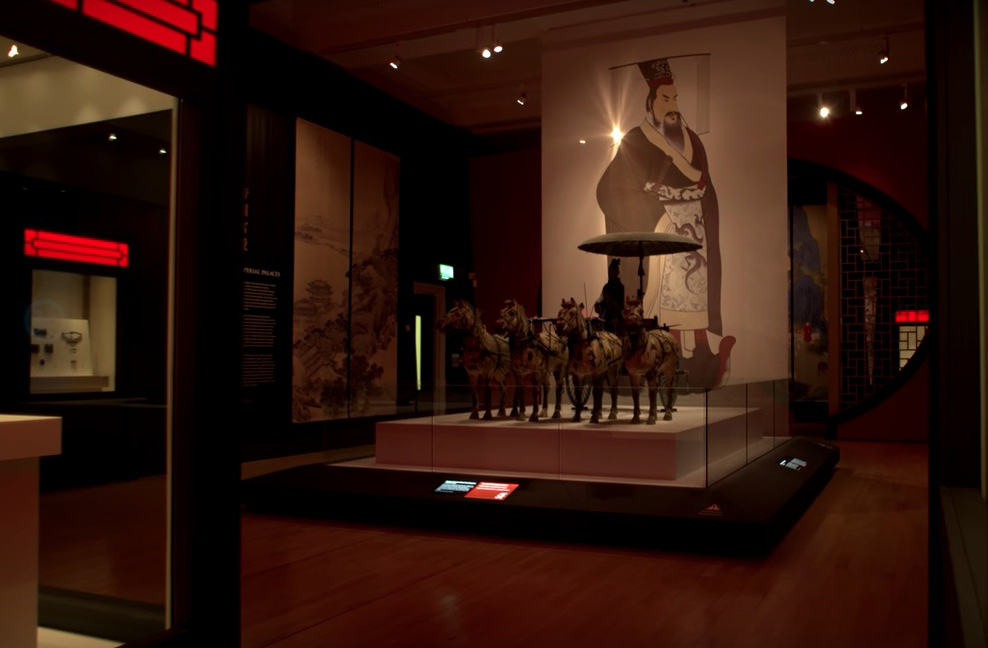
La quinta área acoge el mausoleo del primer emperador, que hasta hoy, en la vida real, nunca se ha abierto. Esto requirió un tratamiento completamente diferente que es teatralmente impulsado y, al ser el espacio final de la exposición, era vital contar un gran impacto.
El espacio incluye una sala de proyección en la que se ha implantado una malla ‘holo-gasa’que permite crear un efecto fantasma en la parte delantera.
Se utilizan cinco proyectores Panasonic PT-RZ670, cuatro para transmitir las proyecciones al suelo, los costados y el techo del mausoleo para el espectáculo dramático, y uno que se ocupa de la malla. Los efectos del humo aparecen en la parte delantera de la gasa, los ríos de mercurio se proyectan en el suelo, culminando con una trampa explosiva, provocada por un pájaro que vuela por el espacio.
Red troncal de fibra
Toda la programación del espectáculo está vinculada a un servidor Dataton Watchnet, que proporciona el control de los servidores de medios Watchpax y es el centro de mando para todos los dispositivos controlados por IP en el sistema.
Parte de la infraestructura de red está construida alrededor de una red troncal de fibra para acomodar las distancias entre áreas. Se cuenta con un router VPN, basado en hardware, para el acceso, control y diagnóstico de la red. Una VPN secundaria basada en software permite el acceso redundante a la red a través de un servidor de supervisión dedicado, que ejecuta una instancia de Zabbix basada en Linux para el registro, monitorización y diagnóstico de la red.
Did you like this article?
Subscribe to our NEWSLETTER and you won't miss anything.
Related articles
 Panasonic projection revives the history of the ancient city of Ephesus
 Elation recreates the iconic band Pink Floyd with light on Brit Floyd World Tour 2021
 Sonos enhances the sound experience at Liverpool FC with its technology
 Panasonic makes history at the Olympic Games with its innovative AV technology
 Panasonic projectors merge art and technology at the Velázquez Tech Museum
 Momu recreates the eruption of Vesuvius with Genelec audio technology
 Tecnología e historia se fusionan en el Castillo de la Coracera
 The Tower of David museum recreates the history of Jerusalem with a spectacular mapping of 250.000 lumens
 The history of Melbourne's aborigines is recreated with unique NanoLumens LED panels
 Panasonic will bring smart technology solutions for airports to the Mobile World Congress
 Sony laser projection recreates life in former East Germany at DDR Museum
 AV Technology Helps Understand Immigration History at Ellis Island Museum
 Panasonic AV technology brings to life the history of Upton House during World War II
 Dassault Systèmes recreates the history of Paris in an immersive 3D experience