


KidZania's interactive city optimizes visitor experience with Panasonic
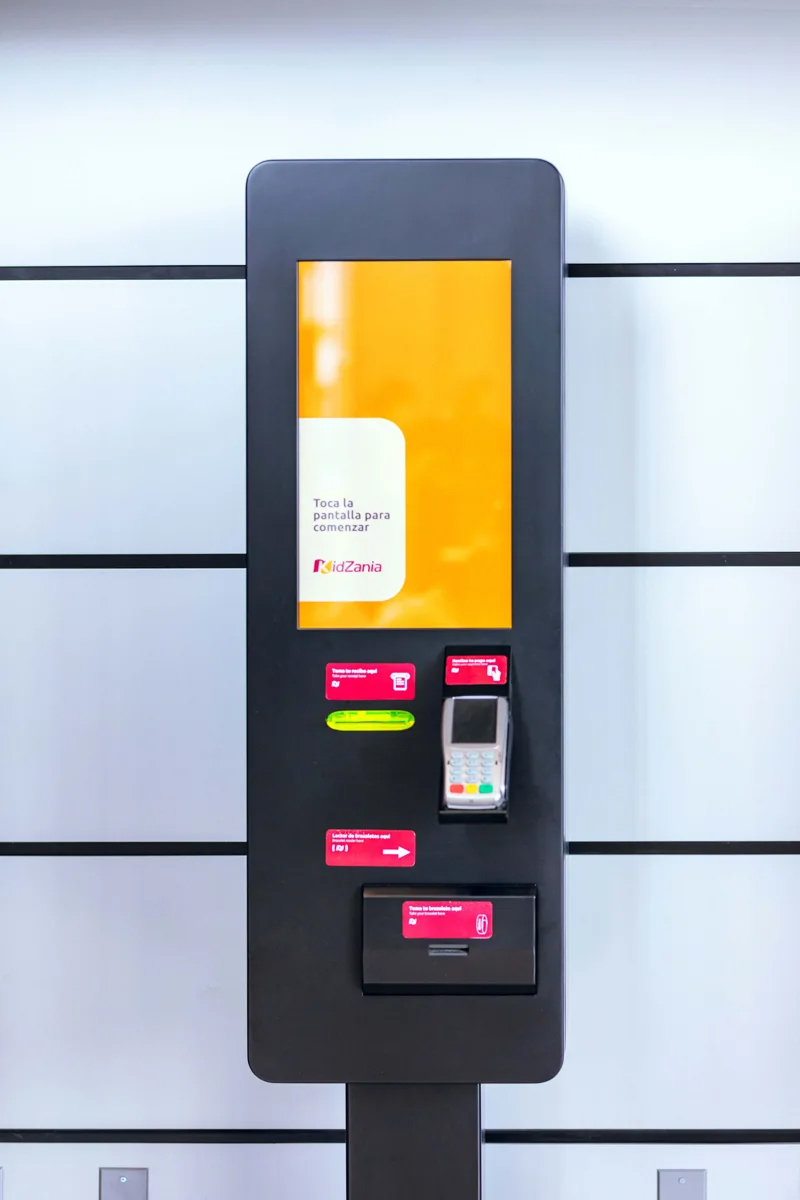
La empresa japonesa ha llevado sus soluciones de quiosco de auto-servicio a este parque temático infantil mexicano. Se ha encargado del diseño, estructura e imagen del soporte, así como del monitor táctil, terminal de cobro con tarjeta, impresora térmica para recibos y la de brazaletes con RFID.
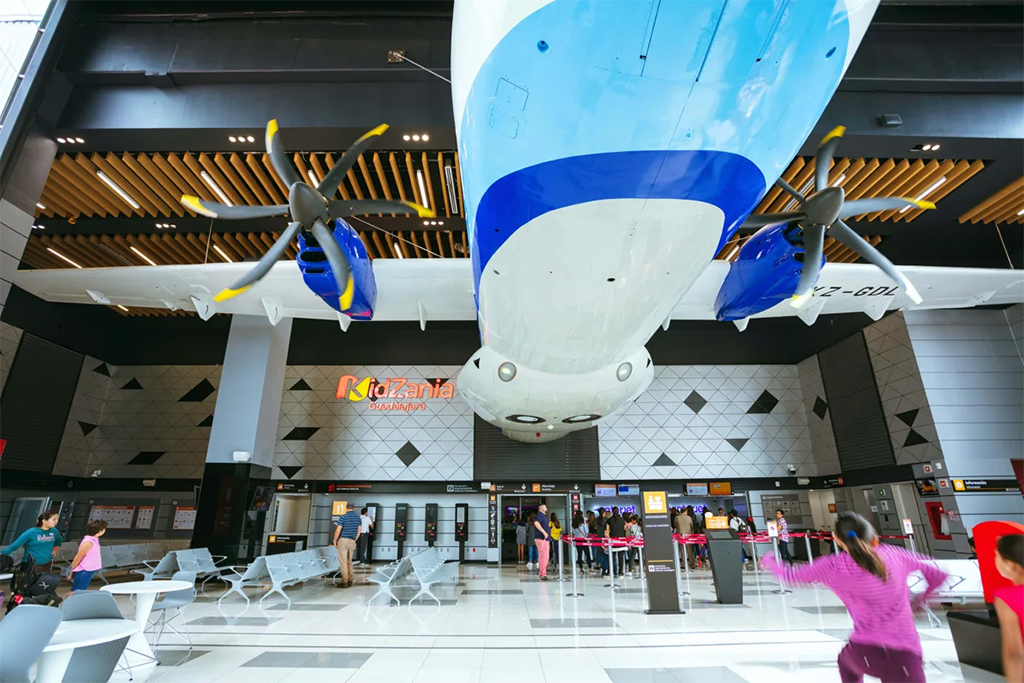
KidZania es un parque temático interactivo que ha sido recientemente inaugurado en Guadalajara (Mexico) y que pone sus miras en los más pequeños. Para mejorar la experiencia de los visitantes se han implementado soluciones que permiten agilizar el proceso de compra de entradas y la entrega de los brazaletes de identificación para los niños y sus acompañantes mayores de edad. La opción elegida han sido los quioscos digitales de auto-servicio integrados por Panasonic.
 De origen mexicano y con presencia en más de 21 countries, KidZania es una de las marcas de entretenimiento para niños con mayor crecimiento. La instalación representa una ciudad interactiva para niños de 1 a 14 años de edad y mezcla inspiración, diversión y aprendizaje a través de actividades con juegos de rol. Los niños pueden explorarla a escala de más de 7.000 square meters of surface, donde experimentan alrededor de cien profesiones.
“KidZania Guadalajara es nuestro parque más nuevo y representa el primer modelo 4.0 del concepto de esta pequeña gran ciudad interactiva. Es un espacio mucho más digital y divertido, con renovadas experiencias para los visitantes”, afirma Eduardo Guevara, director de Tecnología Global de KidZania.
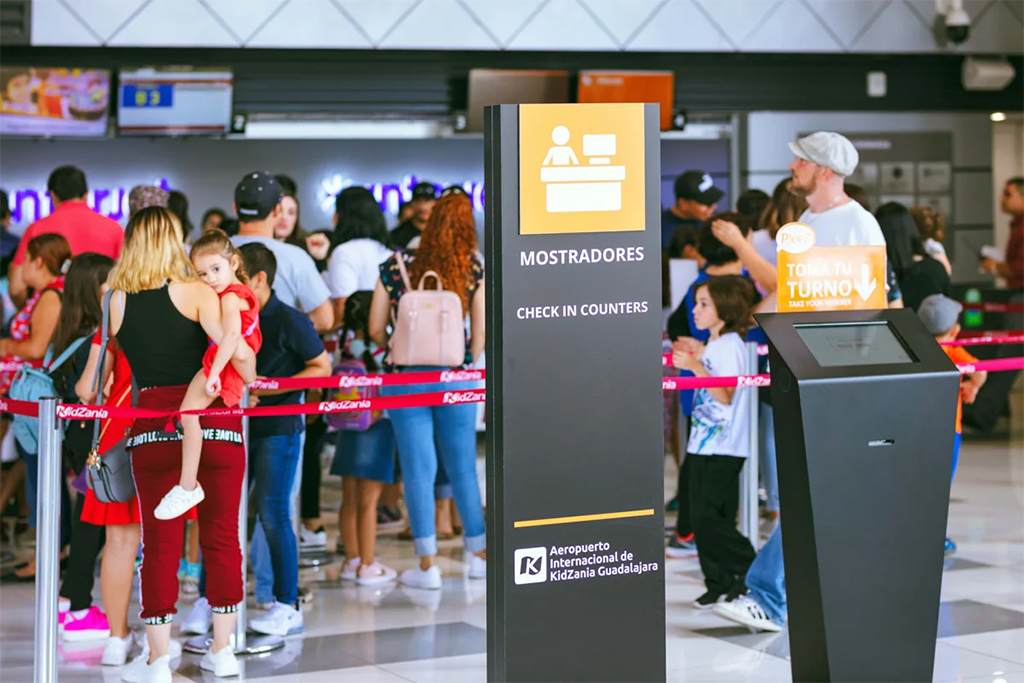
Como parte de esta nueva propuesta, KidZania buscó optimizar la experiencia del público al momento de adquirir sus entradas. El objetivo principal es disminuir el tiempo de espera a través de un sistema ‘rompe-filas o line busting’ lo suficientemente sencillo y eficiente para que el público pueda elegir sus entradas, pagarlas con tarjeta de crédito o débito, obtener su ticket y recibir los brazaletes de seguridad que vinculan a los miembros de una familia o grupo para que la identificación o localización de los niños sea rápida y precisa.
KidZania planteó esta necesidad al grupo de Soluciones B2B de Panasonic México al conocer las posibilidades de las soluciones de quioscos de auto-servicio que la empresa japonesa ha implementado recientemente en los sectores de comida rápida y comercio minorista.
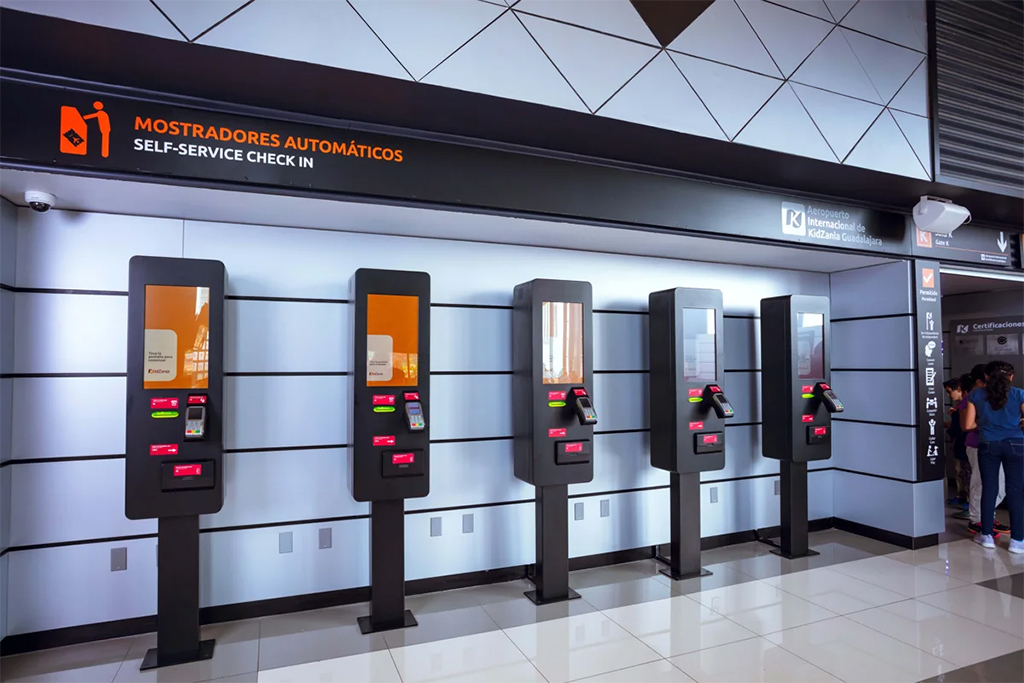
Panasonic desarrolló un concepto a la medida de las necesidades de KidZania, integrando desde el diseño, estructura e imagen del quiosco, hasta el monitor táctil, terminal de cobro con tarjeta, impresora térmica para recibos y la impresora de brazaletes con RFID (Identificación por Radio Frecuencia). El software y el diseño de la interface gráfica de usuario fueron creados por el equipo de KidZania e incorporados a la solución de Panasonic.
De acuerdo a Darío Delgado, gerente de Desarrollo de Nuevos Negocios QSR y Retail en Panasonic, el proyecto de quioscos en KidZania Guadalajara tuvo tres fases de integración.
La primera enfocada al hardware, mediante el desarrollo, integración y consolidación de componentes de acuerdo a las especificaciones del cliente; la segunda, con la instalación del software desarrollado por Kidzania; y la tercera, con el montaje de los kioscos, las pruebas y certificación del Centro de Ingeniería Panasonic.
En la primera etapa del proyecto, se decidió implementar una solución con cinco módulos de quioscos de auto-servicio en KidZania Guadalajara.
Tecnología RFID
Al hacer la compra de entradas, el sistema asigna un número a la transacción y un código que activa el chip RFID integrado en cada brazalete. Todos los brazaletes de una misma transacción forman un grupo y comparten el mismo código, por lo que cada familia o grupo escolar se identifica fácilmente a través de las antenas lectoras de radio frecuencia (RF) instaladas en todo KidZania Guadalajara.
Con los brazaletes es posible controlar el acceso y salida de los menores para que no lo hagan sin la compañía de los adultos autorizados de su grupo; or else, localizar a un menor que se haya separado, puesto que en cada zona de la ‘ciudad’ se cuenta con antenas lectoras de RFID que ayudan a conocer con precisión la ubicación de todos los visitantes. El uso de la tecnología RF ofrece un gran alcance, certeza en su funcionamiento y no es intrusiva con los visitantes.
El sistema de brazaletes de identificación y antenas lectores RFID es desarrollado por KidZania y forma parte de su estrategia de seguridad preventiva que se complementa con un sistema de videovigilancia, personal de seguridad y la capacitación que reciben los colaboradores encargados de atención al público.
“Una de nuestras prioridades es la seguridad de nuestros visitantes, does 20 años empezamos con el concepto de brazalete de seguridad para tener la certeza de que el menor que ingresa con un adulto responsable saldrá del parque acompañado de la misma persona”, comenta Eduardo Guevara.
“En KidZania Guadalajara evolucionamos el concepto y ahora el brazalete tiene información integrada como el nombre del visitante, si es miembro de nuestro programa o forma parte de una actividad especial. Es un dispositivo más estético y genera un sentido de pertenencia al mostrar el nombre del visitante”, señala el responsable de Tecnología Global de KidZania.
Los datos de los visitantes y su identidad están protegidos por las estrictas normas de seguridad que KidZania ha implementado en cumplimiento con los lineamientos del GDPR (Reglamento General de Protección de Datos) of the European Union.
Expansión del proyecto
Al integrar la solución de los quioscos digitales de auto-servicio, KidZania Guadalajara cumple con los tres objetivos planteados por el equipo de Tecnología Global.
The first, ofrecer un mejor servicio al visitante a través de la disminución del tiempo de espera en la compra de entrada. Segundo, comenzar con el proceso de modernización en la atención al público. Y, finally, optimizar los costos de operación al reorientar al personal de supervisión que antes se dedicaba a vender entradas y que ahora se enfoca en que la experiencia del visitante sea satisfactoria.
El equipo de KidZania está trabajando en la definición de las métricas para evaluar el desempeño de esta solución.
Gracias a estos primeros resultados, KidZania ha decidido que Panasonic integre una solución similar, con ocho módulos de quioscos de auto-servicio, para KidZania Dallas, un nuevo centro que abrirá sus puertas este otoño en el Stonebriar Centre en Frisco, Texas.
Did you like this article?
Subscribe to our NEWSLETTER and you won't miss anything.
Related articles
 Biamp technology optimizes the experience at the Istra Premium campsite
 Kennesaw State University Optimizes Its Theater Experience with Epson
 Peerless-AV improves visitor experience at Delft worship centers
 Duke Kunshan University Optimizes Audio Experience with Sennheiser
 Jungfraujoch optimizes the traveler experience with Prolights lighting
 Abba Hotels optimizes guest experience with Philips MediaSuite
 Universcience reorganizes its digital signage network around the visitor experience
 The power of 112 Panasonic 4K projectors immerse the visitor in the history of Qatar
 Petersen Automotive Museum, first to use Panasonic LinkRay to interact with visitor
 The Carmen Thyssen Andorra museum brings art to the visitor through interactive technology
 The Posnania shopping center offers visitors a spectacular audiovisual experience
 The Deep Space exhibition immerses the visitor in a three-dimensional experience in 8K
 NEC optimizes the visual experience in critical applications with the MultiSync X651UHD
AccuWeather Optimizes Its StoryTeller Interactive Touchscreen System with PNY Nvidia Quadro Cards
NEC optimizes the visual experience in critical applications with the MultiSync X651UHD
AccuWeather Optimizes Its StoryTeller Interactive Touchscreen System with PNY Nvidia Quadro Cards