

Android SoC: una solución flexible y de calidad para las pantallas digitales
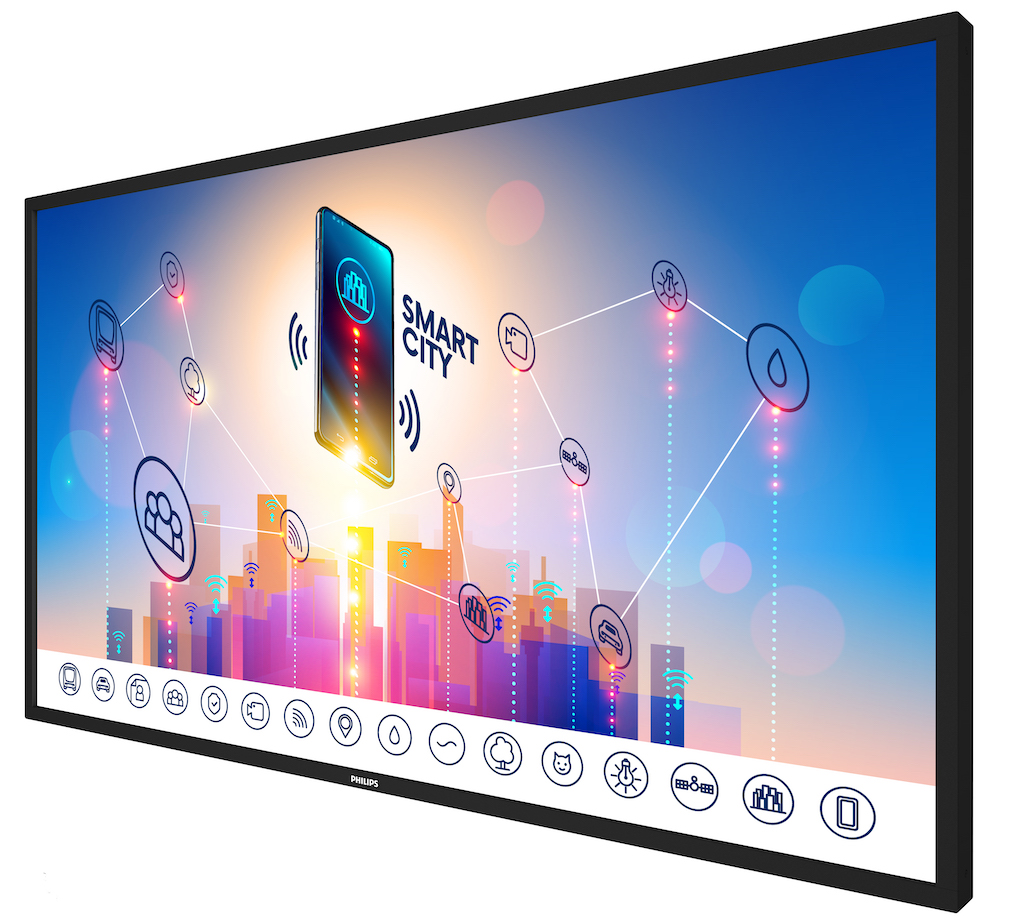
¿Por qué elegir una pantalla digital o un televisor profesional con Android? Tim de Ruiter, business manager EMEA de Philips Professional Display Solutions, explica las características y beneficios que ofrece un sistema operativo basado en Android.
Una cuestión que se repite con frecuencia es ¿por qué elegir un sistema operativo Android? In 2015 se produjo un cambio en el mercado de la televisión inteligente o Smart TV y muchos de los principales fabricantes aportaron nuevos niveles de conectividad a su oferta de televisión de consumo de gama media y alta.
Las primeras raíces de su desarrollo se remontan a principios de los años ochenta, el coste y la eficacia de la tecnología smart se habían estabilizado y la demanda estaba creciendo, lo que la convertía en una apuesta viable para el mercado en general.
Reconociendo esta demanda, el equipo de productos de Philips Professional Display Solutions (PDS) había empezado a trabajar en un nuevo sistema backend para sus televisores Pro, y estaba investigando todas las opciones de desarrollo para garantizar una tecnología que ofreciera calidad de imagen y rendimiento, conectividad y seguridad de datos.
 El sistema operativo Android tiene claras ventajas para los desarrolladores de software en el ámbito audiovisual, que a su vez ofrece beneficios también para los instaladores e integradores, así como para los usuarios finales.
Con las limitaciones que Linux presentaba para la integración de aplicaciones y las restricciones que plantean las plataformas nativas, así como los costes de licencia que demandan otros sistemas, la investigación indicó claramente que Android era la base obvia para el sistema operativo dedicado en las pantallas profesionales de Philips.
Al seleccionar la versión más sencilla, Android Open Source, Philips PDS eliminó los componentes que no eran necesarios para el funcionamiento de la pantalla y, next, los personalizó con software y elementos de seguridad añadidos, construyendo y probando los conjuntos de chips, a la vez que actualizaba el firmware para garantizar la máxima facilidad de uso.
Android SoC: ventajas claras para el sector audiovisual
Una plataforma de código abierto, con un kit de desarrollo de software (SDK) gratuito que ayuda a los desarrolladores a compartir conocimientos y a acceder a un marco de tecnología superior es lo que ofrece Android, que no requiere que los desarrolladores paguen adicionalmente por licencias y el desarrollo puede ser rápido y eficiente.
En cuanto a los desarrolladores de software AV se refiere, la naturaleza de Android SoC ofrece la posibilidad de aportar un enfoque híbrido al desarrollo de software para las pantallas profesionales de Philips. Esto incluye la oportunidad de añadir aplicaciones nativas que pueden beneficiarse de las actualizaciones de seguridad y rendimiento más proactivas de la propia plataforma.
Philips Android SoC también ofrece ventajas en cuanto a rendimiento, desarrollo de software e integración de hardware, así como una mayor variedad de aplicaciones, soporte y flexibilidad.
Para integradores e instaladores de sistemas AV, Android SoC ofrece claras ventajas empresariales, como la reducción de costes y una instalación simplificada. Las aplicaciones se actualizan en segundo plano, lo que permite experiencias de usuario actualizadas sin necesidad de licencias ampliadas o implementación.
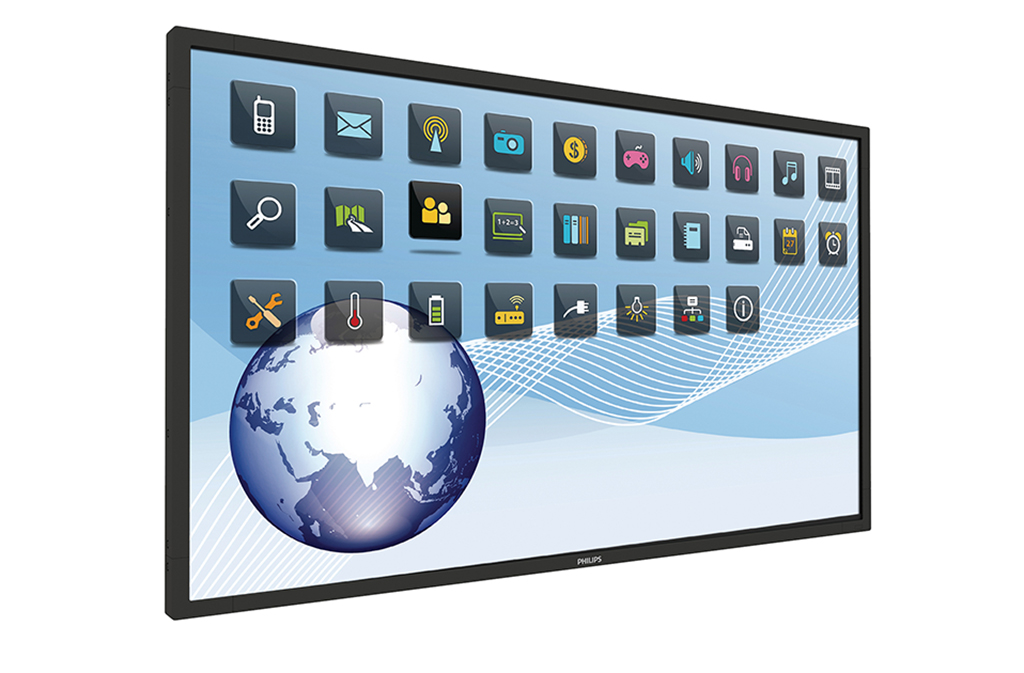 También reduce los puntos de fallo. Con el módulo WiFi o 4G incorporado y sin reproductor multimedia sólo se necesita un cable de alimentación y un cable de red, el coste de las tomas de corriente o conexiones adicionales queda anulado.
El sistema de gestión de contenidos CMND de Philips o el software desarrollado por terceros para la gestión remota completa de todas las pantallas, ambos fácilmente integrados en el sistema, también ofrecen una eficacia probada en el tiempo. In fact, actualmente existe un gran número de empresas nativas de señalización de aplicaciones que ofrecen soluciones que se integran completamente con Philips Android SoC, y las opciones de configuración son casi ilimitadas.
En cuanto a usuarios finales, el uso de Android también es ventajoso para los usuarios finales, ya que ofrece una experiencia probada y reconocida. Con tantos desarrolladores de software trabajando con Android, ofrece inmediatamente una mayor variedad de aplicaciones y una mayor flexibilidad.
Besides, con la capacidad de ejecutar aplicaciones nativas con reproducción nativa utilizando Open Graphics Library (Open GL), la calidad de imagen y el rendimiento de la pantalla son consistentemente excepcionales.
El futuro de SoC es claro. Desde su implementación en el mercado en 2015, Philips SoC ha recibido una serie de actualizaciones: está disponible en todas las pantallas PDS de la compañía, con las presentaciones de productos más recientes que incluyen Dual Quad Core, Octa Core y Android 7.1. Cuando se trata de una verdadera aplicación de negocio 24/7, de seguridad de los dispositivos y control, Philips Android SoC será un ganador en el futuro.
Tim de Ruiter
Business manager EMEA de Philips Professional Display Solutions

Did you like this article?
Subscribe to our NEWSLETTER and you won't miss anything.
Related articles
 Avocor serie K: high image quality screens for the classroom and business
 PPDS Air quality sensor: digital solution to monitor air quality on screen
 Yamaha Adecia: solución de audio inteligente y flexible para colaboración y conferencias
 Cines Callao renews its digital screens in favor of image quality and Led efficiency
 Unilumin UTV-P: Flexible and portable LED solution with centralized management for digital signage
 Blackmagic shows at ISE how to produce the highest quality content in an agile way, flexible and low cost
 La tecnología Led y Android 7 marcan las novedades en la línea de pantallas digitales de Philips PDS
 Peerless-AV develops flexible floor-to-wall video conferencing solution
 Elo extiende su solución Android para digital signage a pantallas de 32 a 70 inches
 Shure Motiv: soluciones digitales para captar audio con calidad profesional
 El receptor de escala Extron XTP SR HDMI aporta distribución de imágenes de alta calidad a pantallas digitales
Dynamax digitalsignage.NET, digital signage solution for Android
El receptor de escala Extron XTP SR HDMI aporta distribución de imágenes de alta calidad a pantallas digitales
Dynamax digitalsignage.NET, digital signage solution for Android
 Inves presenta su nueva solución para videowall con pantallas de alta calidad y marcos imperceptibles
LG recurre al humor negro para demostrar la calidad de sus nuevas pantallas IPS
Inves presenta su nueva solución para videowall con pantallas de alta calidad y marcos imperceptibles
LG recurre al humor negro para demostrar la calidad de sus nuevas pantallas IPS