


The Bielefeld Theater uses Pixera to stage its production 'Black Rider'
En el diseño de este musical, cuyo estreno está previsto para el 12 September, se ha utilizado el servidor de medios de AV Stumpfl, proyectores 4K de Digital Projection y tecnología de seguimiento para realizar una experiencia escénica única.
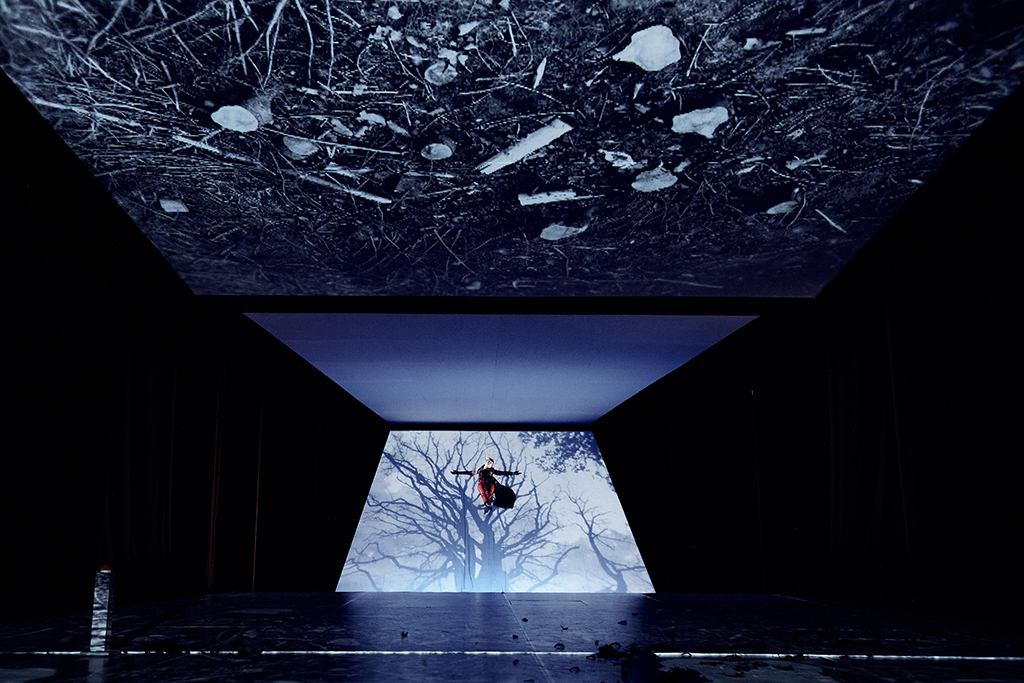
Desde su estreno original en el año 1990, el espectáculo musical Black Rider: The Casting of the Magic Bullets ha logrado combinar la cultura clásica, el postmodernismo y una legendaria banda sonora de música para entretener al público de todo el mundo. La visión artística de Robert Wilson, junto con la narrativa de William S. Burroughs y el genio musical de Tom Waits, sentaron las bases de esta obra maestra vanguardista y muy entretenida.
La última producción, que se va a realizar en el Teatro Bielefeld por Michael Heicks, utiliza tecnología AV de última generación para ayudar a que el contenido de vídeo de Sascha Vredenburg cobre vida en el escenario.
En un tiempo récord, el teatro desarrolló su propio plan de seguridad como reacción a la pandemia del COVID-19, añadiendo una serie de medidas innovadoras además de las regulaciones gubernamentales, para hacer posible que los ensayos continuaran.
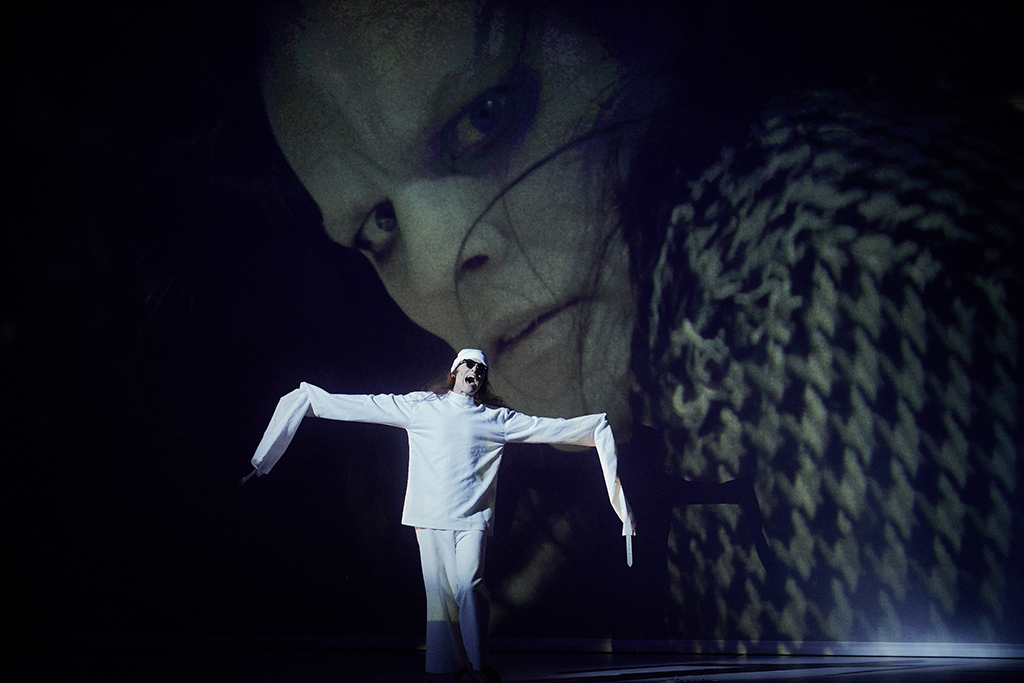
Besides, los cambios en el modo de operaciones precovídeo también incluyen cajas de baterías asignadas individualmente para minimizar el contacto físico necesario entre el elenco y los técnicos.
La obra en sí misma se basa en la leyenda alemana Freischütz, en la que un pacto con el diablo toma literalmente el centro del escenario. La forma en que este tema arquetípico se relaciona con los individuos modernos y las nociones de adicción se hace evidente de una manera muy entretenida, con mucho humor negro.
Las intenciones diabólicas se encuentran con la búsqueda de la verdadera felicidad, perfectamente subrayada y expresada por la retorcida banda sonora de Tom Waits, parecida al jazz y a la variedad.
Para la nueva producción, cuyo estreno está previsto para el 12 de septiembre de 2020, la dirección musical está en manos de William Ward Murta.
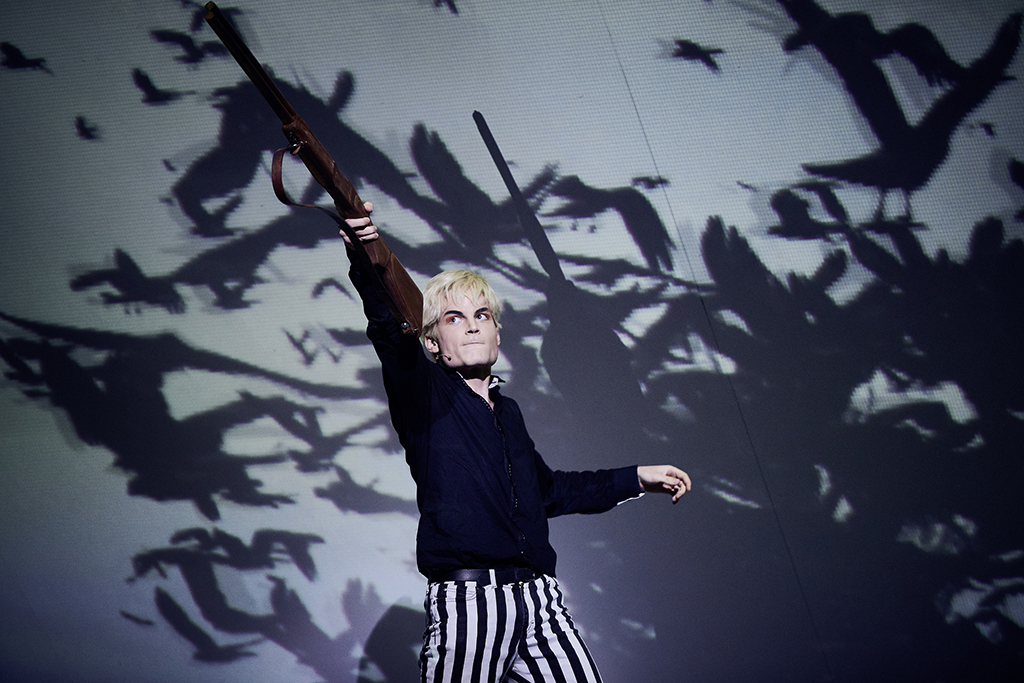
Cinco grandes superficies de proyección actúan como piezas centrales visuales del diseño del scenario, creado por Michael Heicks. Un proyector Titan Laser 33000 4K-UHD de Digital Projection se utiliza para mostrar el inspirador contenido de vídeo en estas superficies.
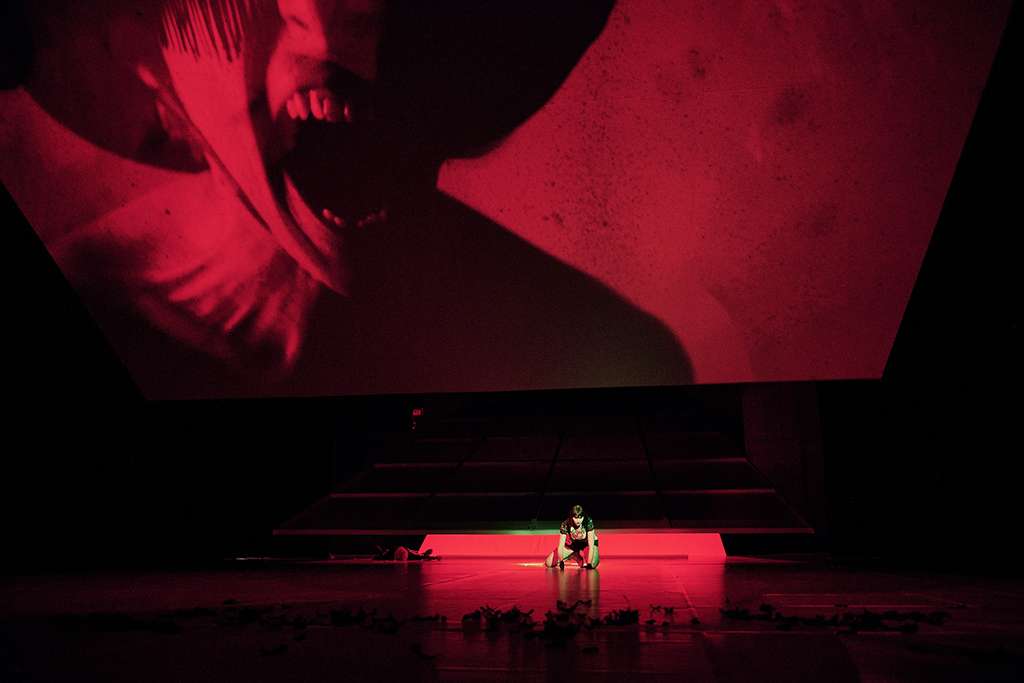
Tres de las superficies de proyección (12,62×11 metros; 10,73×6,68 metros; 8,21×10,47 metros) se mueven en el escenario de forma independiente unas de otras, mientras que el contenido de vídeo se sigue proyectando en ellas al mismo tiempo. A través del movimiento de las superficies, la posición y el ángulo del proyector 4K cambia constantemente en tiempo real.
Una de las superficies se inclina tanto durante la representación de la obra, que su reverso también actúa como superficie de proyección. Este giro de 180° se ejecuta como una interacción fluida entre la proyección y la superficie de la pantalla sin necesidad de programar el espectáculo.
Falko Heidemann, jefe del departamento audiovisual del Teatro Bielefeld, explica cómo se consiguió esta configuración tecnológica. “Observando los requisitos nos dimos cuenta que un enfoque de programación de espectáculos estándar por sí solo no sería suficiente. También estaba relativamente claro desde el principio que un sistema de seguimiento óptico daría los mejores resultados”.
El seguimiento de las superficies de proyección se realizó mediante un sistema OptiTrack con ocho cámaras y 16 marcadores activos, incorporados en el escenario. La configuración de OptiTrack se comunica directamente con Pixera de BY Stumpfl a través del sistema de seguimiento Stage Precision.
Un aspecto particularmente desafiante cuando se rastrean objetos en un escenario es que las superficies de proyección se desplazan muy ligeramente debido a su movimiento. Estos pequeños cambios son a menudo difíciles de predecir.
Heidemann describe un desafío similar en el caso de Black Rider: “Las superficies que cuelgan y están adheridas a la parrilla tienden a entrar en una especie de ligero movimiento de péndulo a medida que la obra progresa. Esto está relacionado con su tamaño y la velocidad relativamente rápida con la que las movemos. Inicialmente ni siquiera nos dimos cuenta, debido a que el sistema de seguimiento compensa muy bien estos cambios”.
El equipo de vídeo del Teatro Bielefeld, formado por Sabrina Treptow y Lena Thimm, recibieron el apoyo del especialista en servidores de medios Benjamin Müller, quien explica las razones por las que se eligió Pixera para la producción de Black Rider.
“La interfaz principal de Pixera está básicamente dividida en tres puntos de acceso principales, que hacen que sea super fácil para los usuarios tratar los diferentes aspectos de un espectáculo, programado de forma independiente y en tiempo real. Debido a la facilidad con la que uno puede manejar su API, Falko Heidemann y yo pudimos integrar la configuración del sistema de seguimiento de Stage Precision en un tiempo récord y realizar la visión del director”.
En cuanto a la configuración avanzada de rastreo, Müller destaca las ventajas de la interfaz API directa: “Dado que tanto Pixera como Stage Precision utilizan la misma escala espacial 3D, es fácil conectar un objeto de seguimiento en Stage Precision con una pantalla, una capa o una cámara virtual, sin tener que alinearlos primero. Gracias a la nueva API directa, se hizo posible un enlace de intercambio de datos ultrarrápido entre el sistema de seguimiento y el servidor de medios“.
Did you like this article?
Subscribe to our NEWSLETTER and you won't miss anything.
Related articles
 Pixera makes possible the staging of Elektra in Germany's largest opera house
 Prolights lighting transforms the staging at the Soho theater CaixaBank
 Eurovision 2023 once again opted for LED screens for its staging
 SeeSound participates with its brands in the staging of 'Company'
 Rosalía conquered Barcelona and Madrid with a great AV and lighting staging
 IESE Business School trusts in Sono to stage one of its most important annual events
 Antequera Light Fest 2018 had Power AV for the staging of the light and sound shows
 The Shareholders' Meeting of Banco Sabadell counted on Sono for its AV staging
 The Eurovision Song Contest 2018 based its staging on spectacular lighting
 A spectacular AV staging of light and color accompanied the Libbs pharmaceutical event
A spectacular staging with Led technology accompanied the Viña del Mar Festival
The Invisible Cities opera uses Sennheiser wireless technology for its staging
Unitecnic's audiovisual engineering makes the staging of El Somni possible
Sennheiser supplies the audio for the staging of “One Night for One Drop” by Cirque du Soleil
A spectacular AV staging of light and color accompanied the Libbs pharmaceutical event
A spectacular staging with Led technology accompanied the Viña del Mar Festival
The Invisible Cities opera uses Sennheiser wireless technology for its staging
Unitecnic's audiovisual engineering makes the staging of El Somni possible
Sennheiser supplies the audio for the staging of “One Night for One Drop” by Cirque du Soleil