


WHEREAS 2022: how to educate when hybrid learning becomes the norm
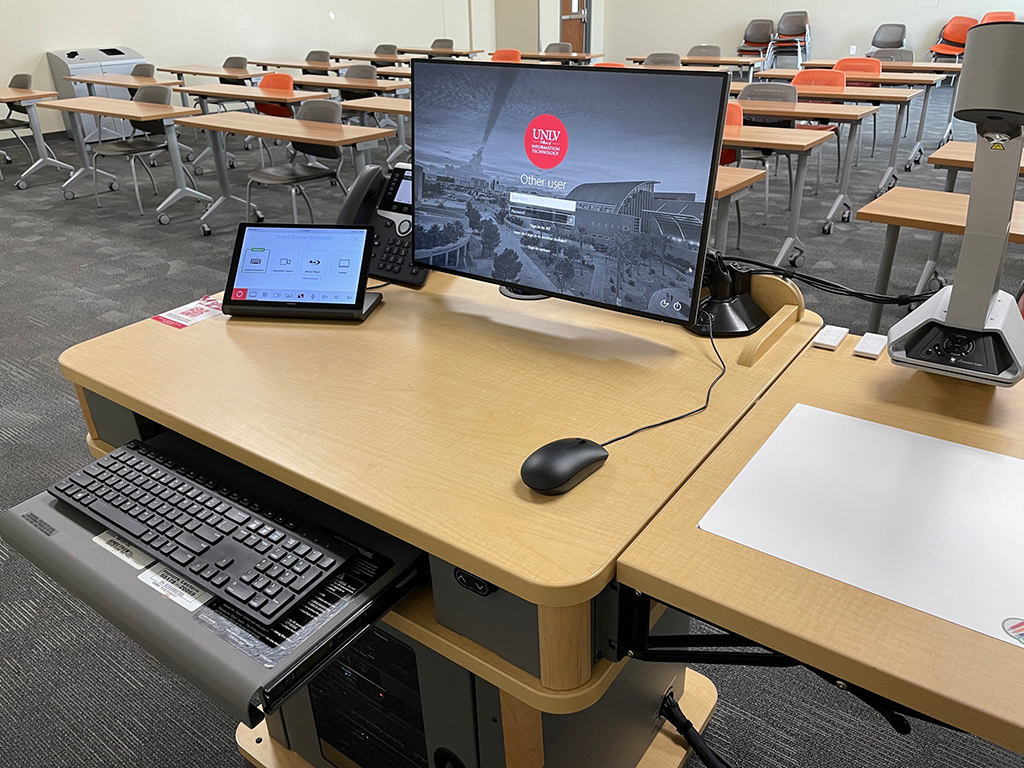
La visita a WHEREAS 2022 brindará un sinfín de oportunidades para explorar las últimas tecnologías para educación y que los centros garanticen que los estudiantes adquieran conocimientos y participen desde diferentes lugares, con soluciones que facilitan la adopción de una estrategia híbrida del aprendizaje.
La tecnología para el ámbito de educación sigue mostrando un magnífico rendimiento para el sector audiovisual profesional. Las herramientas ya consolidadas, como las pantallas interactivas, las cámaras para documentos y las PTZ/web continúan siendo objeto de una gran demanda, mientras que las que permiten el aprendizaje híbrido, como las herramientas de colaboración, las soluciones UC y el audio en las aulas, también están impulsando la inversión.
Reunir todo esto en una solución intuitiva que proporcione la misma experiencia a los alumnos, regardless of your location, es el objetivo de muchas instituciones, mientras el hybrid learning busca convertirse en la norma.
How do you explain Alexandra Parlour, directora de marketing educativo de Sony Professional Displays and Solutions in Europe, “una estrategia híbrida del aprendizaje, centrada en la enseñanza a distancia, será clave para las universidades. Besides, las tecnologías que captan un audio claro y de alta calidad junto con un vídeo nítido, y que permiten a los profesores ofrecer actividades y seminarios interactivos serán esenciales para ofrecer la mejor inmersión posible a los estudiantes, ya sea a distancia o in situ. Nuestra reciente investigación en torno al aprendizaje híbrido reveló que el 79% de los estudiantes de toda Europa considera que su experiencia universitaria mejoraría si se invirtieran fondos en tecnologías de aprendizaje online e híbrido”.
To Madhav Jain, insights manager – education of Sennheiser, “las instituciones educativas necesitan garantizar que los estudiantes puedan aprender y participar desde diferentes lugares. La adopción del aprendizaje híbrido y las nuevas tecnologías para impartir cursos ha sido un factor vital, sumado a la flexibilidad para adaptarlos a los requisitos cambiantes. El modelo híbrido también abre nuevas perspectivas para atraer a estudiantes remotos”.
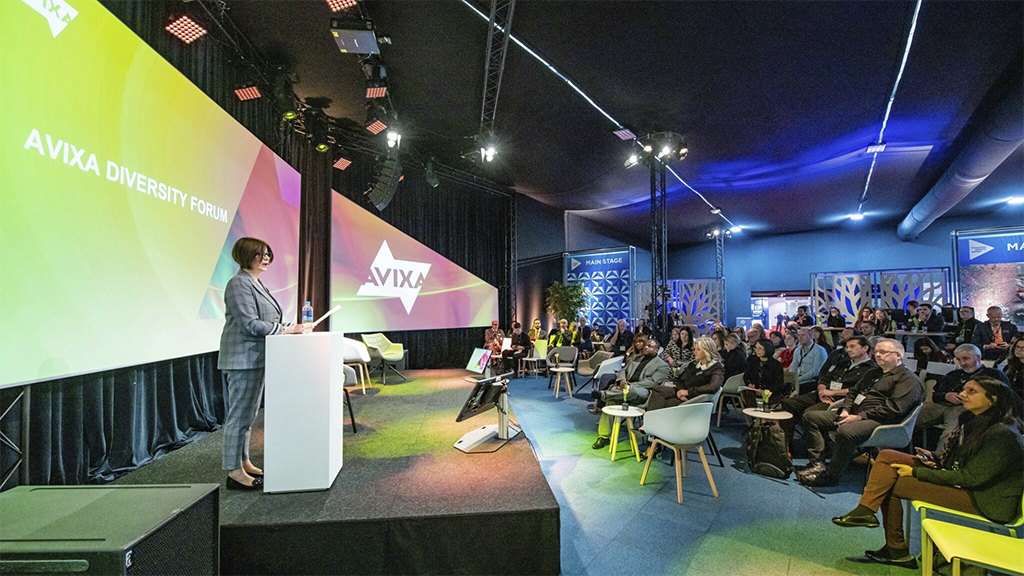
Herramientas audiovisuales
A medida que las universidades profundizan en esta modalidad de enseñanza, los proyectores y las pantallas serán más necesarios que nunca para impartir contenidos creativos en el aula y cursos atractivos. En tanto que los estudiantes retoman la colaboración, la calidad de las imágenes y los contenidos son elementos aún más cruciales para garantizar que todos puedan ver los detalles y participen del mismo modo.
“Las pantallas interactivas son especialmente útiles porque ofrecen capacidad táctil e integración con el software de videoconferencia más popular, como Zoom y Microsoft Teams -añade Till Gotterbarm, product management and strategic partnerships EMEA de Avocor-. Esto facilita a educadores y estudiantes conectarse fácilmente y compartir ideas desde cualquier lugar. Estas pantallas también les permiten compartir anotaciones en tiempo real, basadas en la nube, con todos los integrantes de una clase o grupo de estudio”.
In this line, Jain añade que “plataformas como Canvas y Blackboard se están mezclando con las de conferencias en tiempo real que reúnen a estudiantes y personal docente en el aula con participantes remotos. Las tecnologías que pueden ayudar a ofrecer una experiencia fluida de aprendizaje híbrido son primordiales. Los micrófonos de techo también fomentan una interacción muy natural entre los participantes físicos y virtuales, lo que hace que las conferencias y los seminarios parezcan reales para todos”.

Transformación digital
Si bien los estudiantes se han mostrado dispuestos a adoptar el aprendizaje híbrido, la pandemia también ha tenido un impacto en el modo en que los profesores responden a la tecnología y su lugar en el aula.
Parlour añade que “la forma en que los profesores ven la tecnología en el aula ha cambiado: before, la mayoría eran reacios a ser grabados en vídeo, y ahora la utilizan en su beneficio. Sus necesidades han cambiado significativamente”.
Como amplía Gotterbarm, “la pandemia ha acelerado la transformación digital de la enseñanza superior. Institutos y universidades están encontrando nuevas formas de permitir al profesorado y a los estudiantes enseñar y aprender a distancia, implantando tecnologías que apoyen la colaboración y actualizando las políticas para apoyar una experiencia de aprendizaje más flexible”.
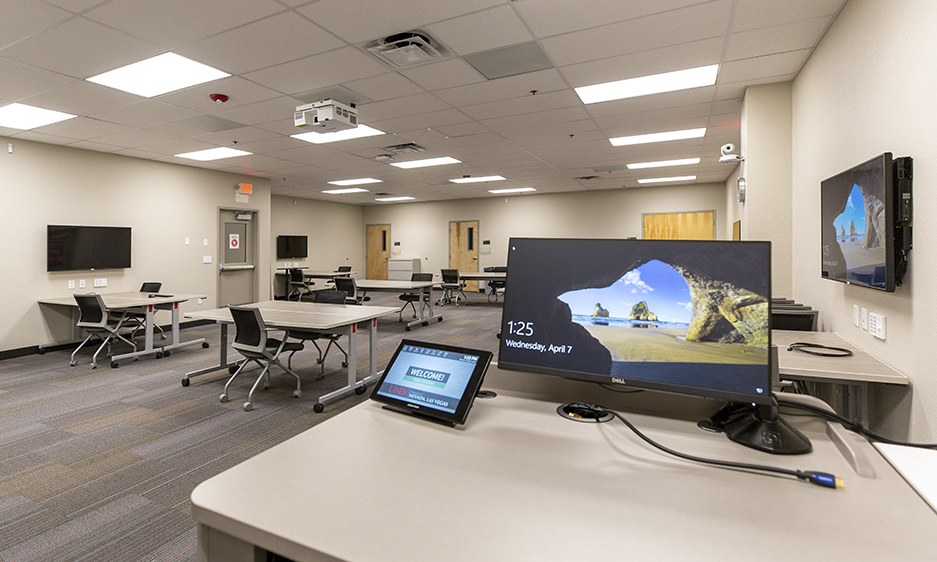 En concreto cita el ejemplo de la Escuela de Adultos de Barking y Dagenham, al Este de Londres, que se hallaba en proceso de actualización tecnológica cuando llegó la pandemia.
El objetivo era instalar soluciones que ofrecieran una plataforma abierta para trabajar con las aplicaciones heredadas, en el aula y a distancia, para ofrecer opciones de aprendizaje mixto. Esta necesidad se vio reforzada en abril de 2020, cuando todo el aprendizaje se trasladó a Internet.
“Cuando se impusieron las restricciones, la universidad fue capaz de activar el aprendizaje a distancia de la noche a la mañana mediante nuestra plataforma Teams para seguir impartiendo la enseñanza. Nos aseguramos de que ningún alumno quedara excluido, ofreciendo a los estudiantes que carecían de acceso a Internet dongles inalámbricos y cámaras web para que los docentes pudieran seguir interactuando visualmente con los estudiantes”, explains Aujla Jagdeep, director de TI de la escuela.
El centro mantuvo el 90% de sus clases durante la primera oleada de restricciones, mientras que otras autoridades locales londinenses tuvieron que desconectar por completo los programas de aprendizaje para adultos. Next, se adaptó a una situación de aprendizaje mixto a la par que variaban las restricciones con una solución adaptable AV, capaz de impartir lecciones de alto impacto de forma virtual y presencial.
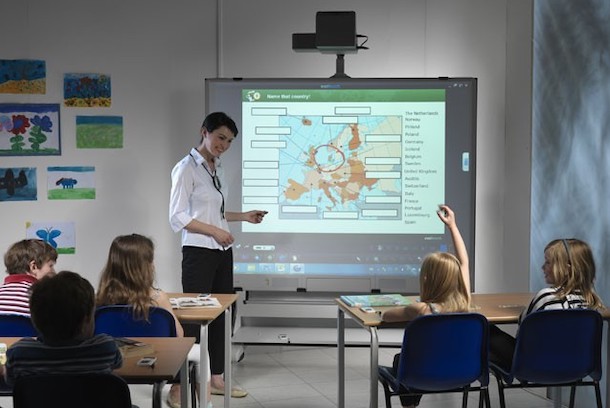 “Los responsables de la toma de decisiones entienden que el profesorado debe ser capaz de moverse con fluidez entre la enseñanza a distancia y la presencial para seguir siendo productivos -opina Gotterbarm-. Y son precisamente las tecnologías de colaboración las que pueden sostener esta transición, replicando la experiencia presencial a través de la tecnología de visualización de vídeo, y viceversa”.
Con miras al futuro, Parlour añade que “dado que el entorno educativo tradicional se reescribió de manera forzada durante la pandemia, seguiremos viendo una verdadera evolución en la forma de atender a los estudiantes, tanto dentro como fuera del campus, de aquí en adelante. La tecnología nos ha apoyado en todo momento, y seguirá siendo un componente fundamental para que los estudiantes disfruten y aprendan en la universidad de su elección”.
For your part, Jaid concluye que “el modelo híbrido ha llegado para quedarse. El aprendizaje virtual es una fuente potencial de ingresos adicionales y un componente clave de los planes estratégicos para la continuidad académica y la resistencia de las instituciones educativas. El aula del futuro hará que la educación sea accesible a todo el mundo, anywhere, ya sea prestando apoyo a los estudiantes con deficiencias o integrando a los remotos en los cursos y las clases. Los eventos híbridos seguirán desempeñando un papel importante, mientras que la experiencia presencial para los estudiantes tampoco se obviará”.
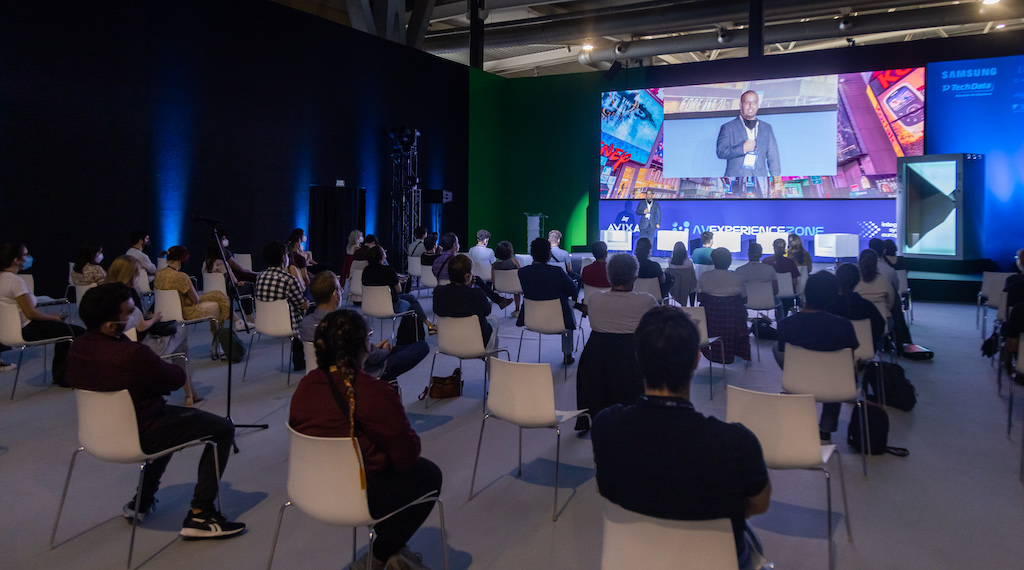
Aprendizaje digital en ISE 2022
Disponible en la Unified Communications and Educational Technology Zone of the pavilion 2 of Barcelona Fair, WHEREAS 2022 acogerá a expositores de todo el panorama de la tecnología educativa: desde pantallas interactivas y software, hasta sistemas inalámbricos de presentación y colaboración y mucho más.
En el resto de la feria también se podrá experimentar lo último en tecnología de proyección, digital signage, soluciones de audio y todo lo necesario para crear un espacio de aprendizaje fluido, colaborativo e interactivo.
Los asistentes pueden inscribirse en la Cumbre del Aprendizaje Digital, that will take place 2 February; un evento de media jornada en el que se examinarán las estrategias, los modelos de aprendizaje y las tendencias que están impulsando el despliegue de estas tecnologías en universidades, schools, entidades corporativas y centros de formación.
Mike Blackman, executive director of Integrated Systems Events, explains that “al constituir un evento físico y presencial, nos encontramos en un lugar único para reunir todos los elementos del sector bajo un mismo techo”.
En los preparativos para Barcelona “hemos trabajado intensamente para garantizar que en ISE 2022 se ofrezca una experiencia segura, grata y muy valiosa -subraya- a fin de que la industria muestre sus innovaciones y se inspire en lo más destacado del mercado. Esperamos verles allí”.
Integrated Systems Europe 2022 se celebrará en Fira de Barcelona – Gran Via del 1 al 4 February 2022, and the record gratuito a través del código de Digital AV puede realizarse desde este link.
Did you like this article?
Subscribe to our NEWSLETTER and you won't miss anything.
Related articles
 Carleton University reinforces its hybrid learning strategy with Sennheiser
 Sennheiser Elevates Hybrid Learning Experience at NTU Singapore
 Sony brings its hybrid learning expertise to the University of Exeter
 Extron turns a classroom into an AV learning lab
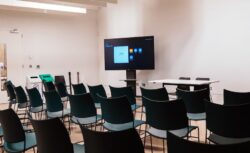 Royal College of Art opts for hybrid learning with DTEN
 NewTek and NDI boost hybrid learning at Cranfield University
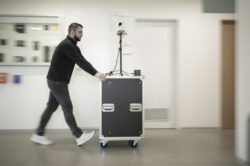 Sony technology boosts hybrid learning at universities
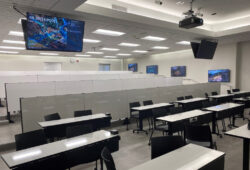 Biamp Tesira promotes hybrid learning at UTSA
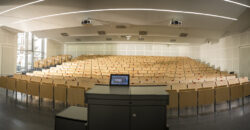 Sony Edge Analytics brings hybrid learning to the University of Bamberg
 ‘ISE Open Innovation Challenge’, evento híbrido empresarial de ISE 2022
 ClearOne Answers RIT's Hybrid Learning AV Requirements
 The University of South Florida implements hybrid learning with Sennheiser
 Panasonic PressIt: cuando realizar presentaciones es tan fácil como pulsar un botón
 ‘Eye contact’, when digital signage becomes emotional art