


Brompton Tessera v3.3 speeds up Led video processing
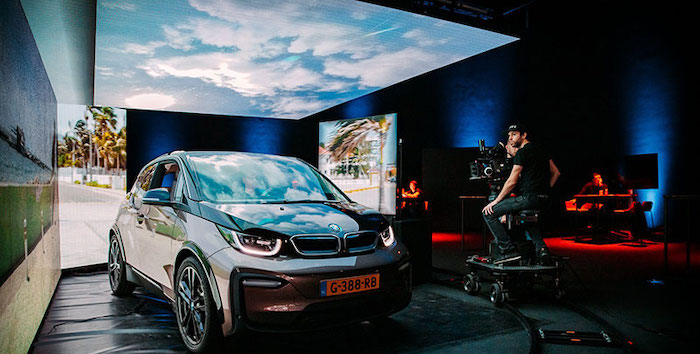
Las nuevas funciones que Brompton Technology ha introducido en la versión 3.3 de su software Tessera optimizan el rendimiento de los paneles Led para agilizar los flujos de trabajo profesionales.
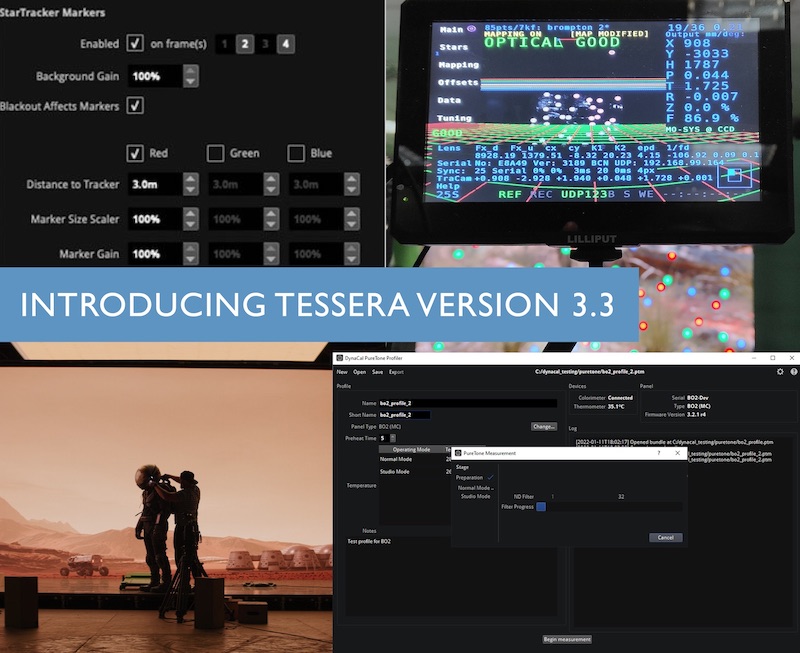
Los procesadores de vídeo Led Tessera SX40 y S8 of Brompton Technology cuentan ahora con un preajuste que admite el espacio de color Aces AP1. Besides, la colaboración con el proveedor de producción virtual Mon-Sys añade el soporte para el sistema de seguimiento de cámaras StarTracker cuando se utilizan paneles equipados con Tessera R2 o con la nueva tarjeta receptora Tessera R2+ y un procesador SX40 ó S8 con Frame Remapping.
Specifically, Tessera R2+ tiene el mismo factor de forma SO-DIMM que la R2, que ha establecido el estándar para las tarjetas receptoras durante muchos años. En el caso de R2+, que es compatible con todos los diseños de paneles basados en R2, aporta pines de datos adicionales y capacidad para admitir nuevos controladores Led.
Modos de funcionamiento
Normalmente, cuando los FAE trabajan con los fabricantes de paneles para crear su configuración es necesario hacer ciertas concesiones entre los diferentes aspectos del rendimiento visual. La búsqueda de frecuencias de actualización más rápidas puede significar la reducción de la profundidad de bits PWM, mientras que el aumento del brillo máximo puede comprometer el rendimiento de la baja luminosidad.
Aunque los fabricantes de paneles Led intentan encontrar un buen equilibrio, en la actualidad sólo existe una configuración de ‘talla única’ que se aplica durante toda la vida del panel
“Esto supone un verdadero reto si se necesita utilizar los paneles Led en varios escenarios que requieren priorizar diferentes aspectos del rendimiento visual, por ejemplo si se necesita el máximo brillo para un evento en directo en exteriores y la mayor frecuencia de refresco efectiva para optimizar el rendimiento con ciertos tipos de cámaras en un estudio. Con la función Operating Modes de Tessera 3.3 en adelante, ambos escenarios pueden beneficiarse del mejor rendimiento posible del panel”, states Chris Deighton, director de tecnología de Brompton.
Los modos de funcionamiento permiten que un mismo tipo de panel ofrezca diferentes operativas. So, los modos operativos pueden dar prioridad a distintos aspectos del rendimiento visual, como la frecuencia de imagen máxima, el rendimiento del brillo bajo, la profundidad de bits o la frecuencia de refresco efectiva, inter alia.
Los ingenieros de Brompton, en estrecha colaboración con los fabricantes de paneles, pueden crear modos operativos adicionales. Una vez activados, los usuarios pueden cambiar instantáneamente los paneles entre los modos de funcionamiento a través del procesador, en función de las necesidades de cada evento o proyecto.
PureTone por lotes
Las empresas de alquiler conocen muy bien los problemas que plantea la combinación de diferentes lotes de paneles Led. Pese a ser del mismo tipo y estar calibrados con igual brillo, temperatura de color y objetivos de color, frecuentemente un nuevo lote de paneles Led tiene un aspecto notablemente diferente al mostrar contenido.
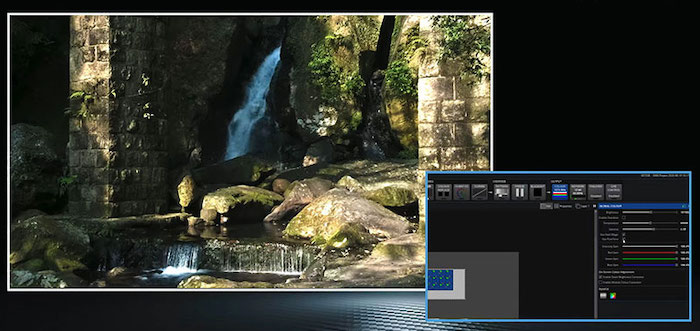
Este problema se debe normalmente a las diferencias en la no linealidad de los distintos lotes de Led o chips de controladores, un comportamiento que la función PureTone de Brompton corrige, y que en la versión 3.3 de Tessera se ha ampliado para que cada lote individual de paneles se mida por separado, generando un perfil PureTone específico para ese lote.
“Con la nueva función PureTone -explica Deighton-, nuestros clientes y fabricantes de paneles pueden corregir la no linealidad de cada lote de paneles, garantizando escalas de grises neutras y un rendimiento de luminancia preciso en todos los modos de funcionamiento”.
Thanks to this function, “es mucho más fácil hacer coincidir diferentes lotes de Led. PureTone también es muy útil en trabajos de cine y televisión, donde las pantallas suelen funcionar con un brillo mucho más bajo para ajustarse a las exposiciones de las cámaras, pero aún así es necesario mantener escalas de grises neutras y una reproducción del color precisa”, duck.
Soporte ACEScg
Como parte del compromiso de Brompton para agilizar los flujos de trabajo profesionales para la producción virtual, Tessera SX40 y S8 cuentan ahora con un preajuste para soportar las primarias ACES AP1, utilizadas por el espacio de color ACEScg, cada vez más utilizado, lo que evita convertir el espacio de color en el dispositivo de origen.
ACES AP1 es reconocido automáticamente por el procesador a través de HDMI 2.0, o bien puede seleccionarse manualmente en el procesador. El usuario también puede hacer referencia a la gama de colores ACES AP1 dentro de las herramientas de calibración dinámica de Brompton.
“Al admitir el espacio de color ACEScg, garantizamos que los usuarios que trabajan en ese espacio puedan emitirlo directamente sin una conversión innecesaria del espacio de color -afirma Deighton-. El hecho de que la fuente tenga que hacer esa conversión puede suponer a veces una pérdida de precisión o un recorte de los colores. Queríamos simplificar ese proceso que los usuarios que realmente se preocupan por la precisión del color puedan agilizar aún más su flujo de trabajo”.
Seguimiento de marcadores
En colaboración con Mo-Sys, Brompton ha añadido la compatibilidad con el sistema de seguimiento de cámaras StarTracker cuando se utilizan paneles basados en Tessera R2, junto con procesadores Led Tessera SX40 ó S8 y Frame Remapping.
“El seguimiento preciso de la posición de la cámara es fundamental para muchas aplicaciones de producción virtual y xR -puntualiza Deighton-. Aunque hay muchos sistemas diferentes para lograrlo, un enfoque común ha sido el uso de marcadores visibles, lo que puede ser un reto dentro de un volumen Led, que ahora puede resolverse ahora mostrando los marcadores adecuados en el propio Led”.
Los marcadores se superponen al contenido de vídeo que se muestra, y la función de reasignación de fotogramas de Tessera se utiliza para mostrarlos sólo en los fotogramas de salida, que no son visibles para la cámara principal, lo que garantiza que nunca aparecerán en la toma o en los reflejos. Los marcadores se generan automáticamente, con la posibilidad de configurar su color y tamaño desde la interfaz de usuario del procesador.
Did you like this article?
Subscribe to our NEWSLETTER and you won't miss anything.
Related articles
 LG y Brompton impulsan Studio V con la última tecnología de visualización Led y procesamiento
 Haivision boosts ISR video processing with Kraken X1 Rugged
 Nanolumens impulsa el procesamiento de vídeo en sus pantallas con Aurora
 Brompton comes to ISE with its latest Led Tessera video processing solutions
 80six deploys Roe Visual LED displays with Brompton LED processing on Garbage tour
 d&b audio confía en el procesamiento de Brompton para el vanguardista ITEC
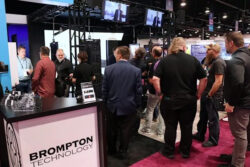 Brompton presents at NAB 2024 the Tessera SQ200 8K Led video processor
 Toei chooses Brompton Led processing for its new virtual studio
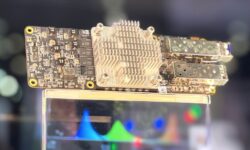 Brompton shows the new generation of Led processing solutions
 Brompton brings its Led processing to Taiwan's largest virtual production studio
 Brompton impulsa la producción virtual en AIE con procesamiento Led
 Brompton celebrará sus diez años de procesamiento de vídeo Led en LDI 2022
 Ross Video will attend ISE 2020 with its XPression Tessera solution
 Riedel agiliza las redes de audio, vídeo y datos en ISE 2013