

Hacia dónde se encamina ya la cartelería digital
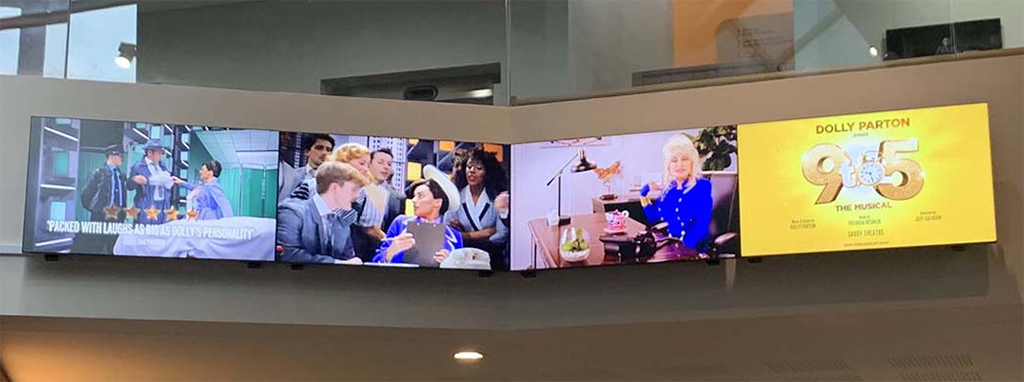
Ian Barnard, vp. senior de gestión de marketing y producto en Sharp NEC Display Solutions Europe, analiza algunas de las tendencias en cartelería digital, como la colaboración de equipos híbridos, su implementación basada en datos y despliegue en el espacio público.
The year 2021 ha estado marcado, al igual que 2020, por la adaptación continua al cambio; tanto que puede resultar vertiginoso mirar hacia adelante. En este contexto frenético, en los próximos años veremos cómo ciertas tendencias tecnológicas y sociales, aceleradas por la crisis sanitaria, empiezan a dar sus frutos a gran escala. Algunas de las más significativas se verán reflejadas en el uso de la cartelería digital y el despliegue de ésta.
El primero de estos usos es el referido al actual, y previsiblemente ya perdurable en el tiempo, contexto de trabajo híbrido. Incluso más que 2020, the year 2021 será recordado como el que el modelo laboral cambió.
El año pasado se produjo un cambio definitivo hacia el empleo parcialmente a distancia, que se convirtió en una parte permanente de la economía. Se mire por donde se mire, estamos en medio de un cambio hacia una fuerza de trabajo más empoderada a medida que las empresas sortean la escasez de mano de obra y los empleados reevalúan su relación con el trabajo; una relación liderada por la demanda de flexibilidad como punto de no retorno.
In this sense, una de las principales formas en que se materializará el movimiento hacia la flexibilidad en 2022 es en la colaboración a distancia entre equipos híbridos de trabajo, lo que nos conduce inevitablemente a recurrir a la cartelería digital. That is to say, las pantallas colaborativas se convertirán en el mayor exponente de la productividad en un entorno de trabajo híbrido.
Para lograr la cohesión de equipos de trabajo deslocalizados, las empresas precisarán herramientas que permitan una comunicación clara, de modo que la colaboración no se vea afectada por las ausencias.
En las pantallas de colaboración de mayor formato se traduce en soluciones de videoconferencia que sean exquisitamente nítidas, permitiendo a los participantes leer las expresiones y el lenguaje corporal de los demás a distancia.
Besides, resultan ser una herramienta de comunicación muy efectiva a la hora de generar vínculos culturales y de comunidad de forma física en la oficina, lo que hará que estos espacios resulten más atractivos para sus empleados.
Privacidad individual y aprovechamiento de los datos
El segundo de los casos de impacto de las tendencias actuales de TI en la cartelería digital es el hecho de que, in 2022, las empresas seguirán trabajando e invirtiendo en encontrar un equilibrio entre el respeto a la privacidad individual y el máximo aprovechamiento de los datos de los usuarios.
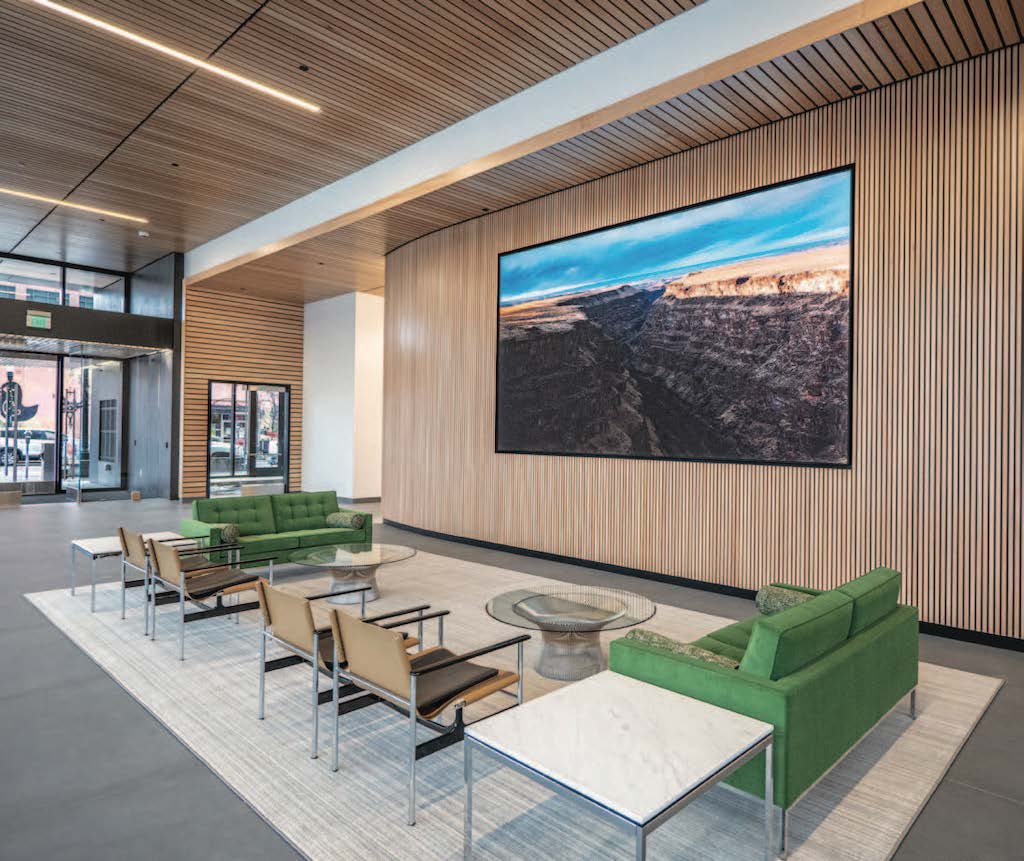
Sectores como el comercio minorista, la hostelería y el ocio lo encontrarán en la solución en el software de cartelería digital que utiliza los datos en conjunto y no las particularidades personales. Un buen ejemplo de ello es la solución Sharp NEC de gestión del flujo de entrada y salida de estos espacios, que utiliza sensores integrados para registrar el movimiento individual, pero no las características personales de los clientes, permitiendo registrar el movimiento sin invasión de la privacidad.
For example, una gran tienda con varias salidas y puntos de aglomeración como, For example, las líneas de caja o los probadores. Una herramienta basada en datos puede ayudar a los gestores del establecimiento a asegurarse de que los clientes reciban una información específica al entrar, ya sea el último producto en oferta o las normas de prevención de la COVID-19.
At the same time, los gestores pueden ver por dónde tienden a moverse y congregarse los consumidores para ofrecer así el mejor contenido para cada etapa del recorrido o averiguar dónde hay un problema de flujo de tráfico.
Dado que la herramienta no almacena información personal, los usuarios pueden sacar el máximo partido a su señalización sin que ello suponga un problema de gestión de datos personales.
Gestión del espacio público y sostenibilidad
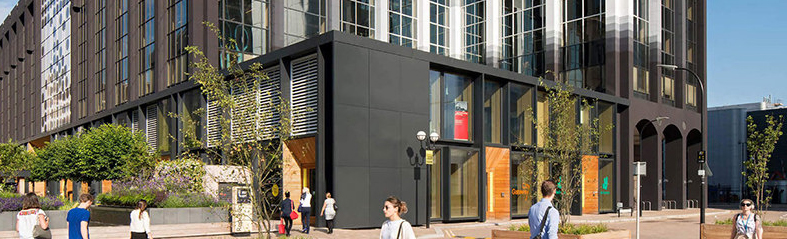
En tercer lugar y desde el punto de vista social, la pandemia, definitely, ha obligado a las administraciones públicas a replantearse el uso del espacio público. Dado que sólo entre el 2 and the 15% del suelo del centro de las ciudades europeas es espacio público, la planificación es vital y, dentro de ella, el uso inteligente de la cartelería digital en espacio exteriores.
La cartelería digital puede ser una gran herramienta para la gestión urbana, pero sólo si los mensajes llegan. Eso significa que se necesita una alta luminosidad para combatir la luz ambiental, así como una carcasa y una ventilación que eviten que la lluvia, la nieve y el polvo dañen la señal. Besides, la gestión de contenidos debe ser lo suficientemente sencilla como para que los mensajes puedan actualizarse en tiempo real.
Finally, la sostenibilidad es una tendencia que ha ido ganando fuerza en las empresas progresivamente, hasta el punto de pasar de ser vista como un beneficio marginal a una necesidad. At the moment, no es sólo un factor de compra decisivo, sino además una práctica desde el punto de vista económico, especialmente en lo que respecta a la cartelería.
Aunque su uso ha sido desigual en los diferentes sectores de actividad, la cartelería digital no tiene competencia si la comparamos con la tradicional. Su mayor rentabilidad en el largo plazo, junto con un menor consumo de recursos y, therefore, una mayor sostenibilidad, ha conducido al remplazo de la cartelería tradicional de consumo masivo por parte de todo tipo de empresas e infraestructuras civiles.
Ultimately, en los próximos años asistiremos a una mayor expansión de las tendencias en señalización hacia la sostenibilidad, la colaboración de equipos híbridos, su implementación basada en datos sin un uso invasivo de la privacidad y su despliegue en el espacio público. Estas tendencias se unen en una digitalización duradera, clara y fácil de usar. Por suerte, las soluciones están ahí para quien las busque.
Ian Barnard
VP. senior de gestión de marketing y producto en Sharp NEC Display Solutions Europe

Did you like this article?
Subscribe to our NEWSLETTER and you won't miss anything.
Related articles
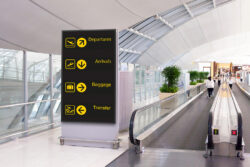 Sharp completes its digital signage offering with the PN-HY and PN-HS screens
 Poly ayuda a Télécom París en su viaje hacia la transformación digital
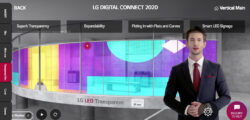 LG Digital Connect 2020 shows the most innovative in LED technology and digital signage
 Wavetec participa con sus soluciones de cartelería digital y customer experience en Chile Digital 2015
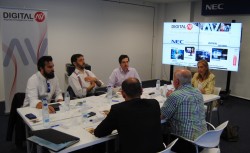 Expertos de la industria AV debaten sobre UHD y redes HDBaseT en digital signage y cartelería digital
 Hyundai IT H467SSV: digital totem for outdoor digital signage
 OutFront creates a digital signage platform where synergy between advertiser and audience prevails
 NEC Display creates at ISE 2014 'real' scenarios where it shows the functionalities of its solutions for digital signage
 NEC Display promotes its innovation in digital signage at the III Crambo Digital Signage Symposium
 Tecco ha llevado a la Digital Signage World nuevas soluciones para el sector de cartelería digital
 Diode presents its new digital signage division at Digital Signage World
 Inves participa en Digital Signage World 2012 con sus últimas novedades de cartelería digital
 Dirk Hülsermann (NEC): “The digital signage industry is increasingly trending towards interactivity”
 El mercado de medios sigue con paso firme su reconversión hacia un futuro cada vez más digital