





Snap One Helps Create Murphy SEAL Naval Museum's Immersive Experiences
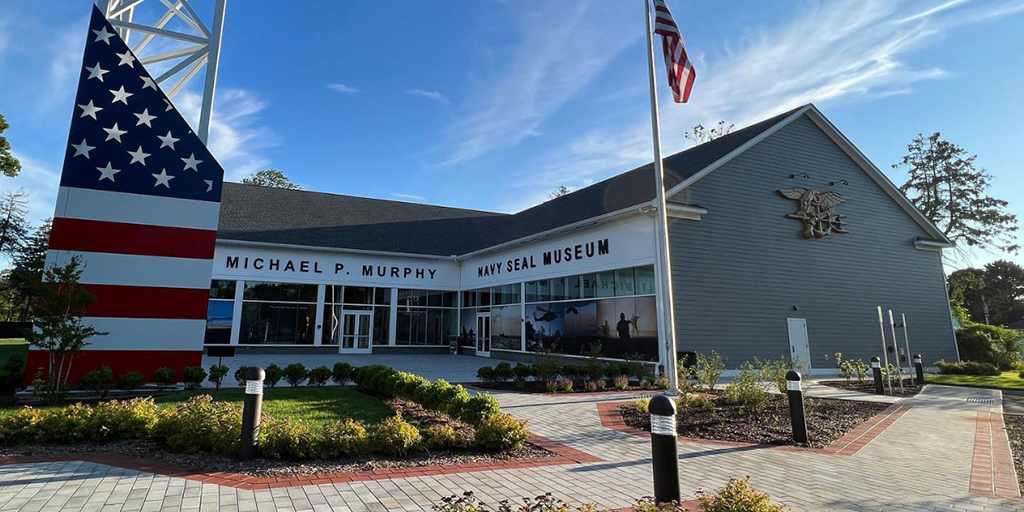
In it LT Michael P. Murphy Navy SEAL has reimagined what a museum can offer the visitor and, for it, uses videomapping systems, touch screens and holograms. All of this integrated into an infrastructure that is enhanced and protected with security technologies. Snap One.
 In their 2.438 square meters, he LT Michael P. Murphy Navy SEAL Museum in West Sayville (New York) welcomes visitors to discover the history of the Naval Special Warfare, through immersive digital experiences that include video projection, exhibitions with touch screens and even 3D holograms of the equipment. An AV infrastructure that has the technology of Snap One for its execution.
According to Christopher Wyllie, Custom Electronic Integration Company Owner SEAL Solutions, based in New York, the museum's high-tech expertise is based on a wide range of network products, OF, Snap One Power Safety and Security.
“The new Lt.. Michael P. Murphy Navy SEAL has reimagined the idea of museums by incorporating interactive exhibits where visitors can delve deeper into topics, as well as exhibitions that create an attractive atmosphere with videos and sounds that offer a memorable experience”, comments Wyllie. “Offering this experience required careful planning, a lot of research and the help of Snap One to provide optimal solutions that adapt to every need, from network equipment to security cameras”.
 The guest experience begins with an absorbing D-Day exhibition, the invasion of Normandy in World War II. Using videomapping technology, the projectors BenQ and the screens DragonFly, The exhibition displays a variety of still images and video clips in small formats with black spaces between them, which eventually grow to project a full video wall.
The constant growth of visual and sound content attracts viewers until the entire video reaches its maximum expression, exciting visitors of all ages.
In an exhibition about the attacks 11 September 2001 in it World Trade Center, three digital screens mounted vertically form a large-format video wall on which the entire height of the towers can be presented to show videos interspersed with data and information about the attacks and their consequences.
Another projection exhibition presents an experience of almost 360 degrees in which a screen extends from floor to ceiling and then wraps around visitors' heads and surrounds them, so they can see a forest in front of them while a helicopter flies over the place and a rope descends from it.
IP infrastructure
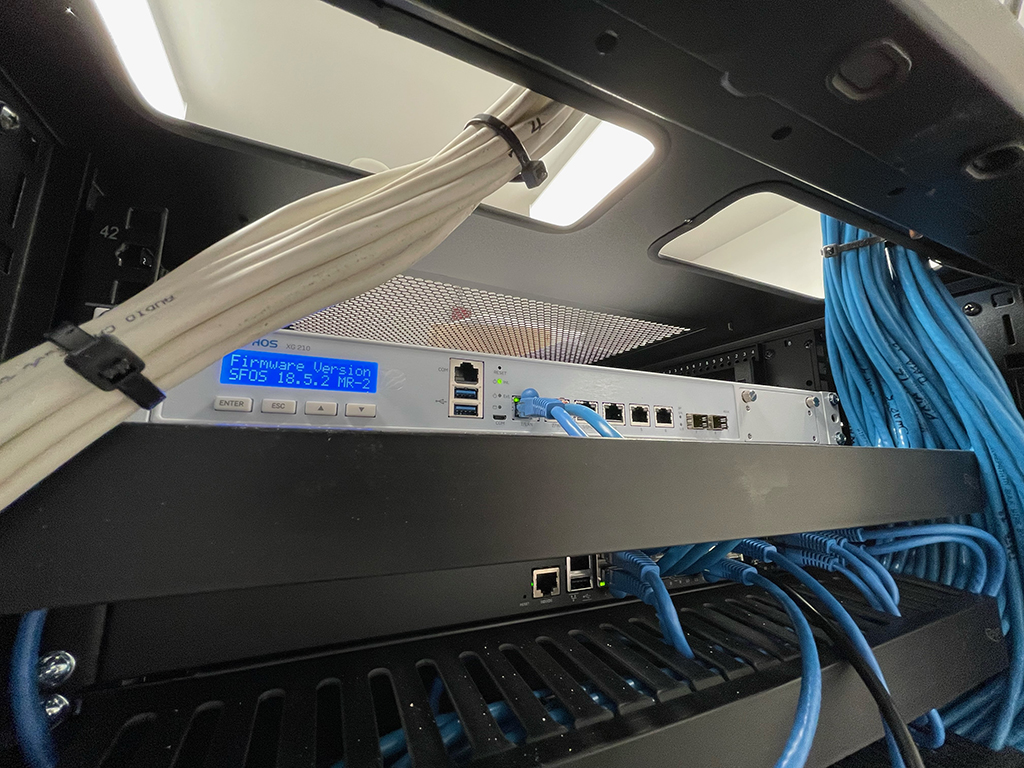
 These exhibitions, and many others, require sophisticated audio and video routing that is achieved with a Binary media over IP solution. This simplified and reduced the cost of media infrastructure, since long runs can be achieved with an affordable Cat6 cable, instead of using the expensive HDMI all the way.
The use of MoIP for AV distribution requires a network, which according to Wyllie is one of the most important systems in the entire building.
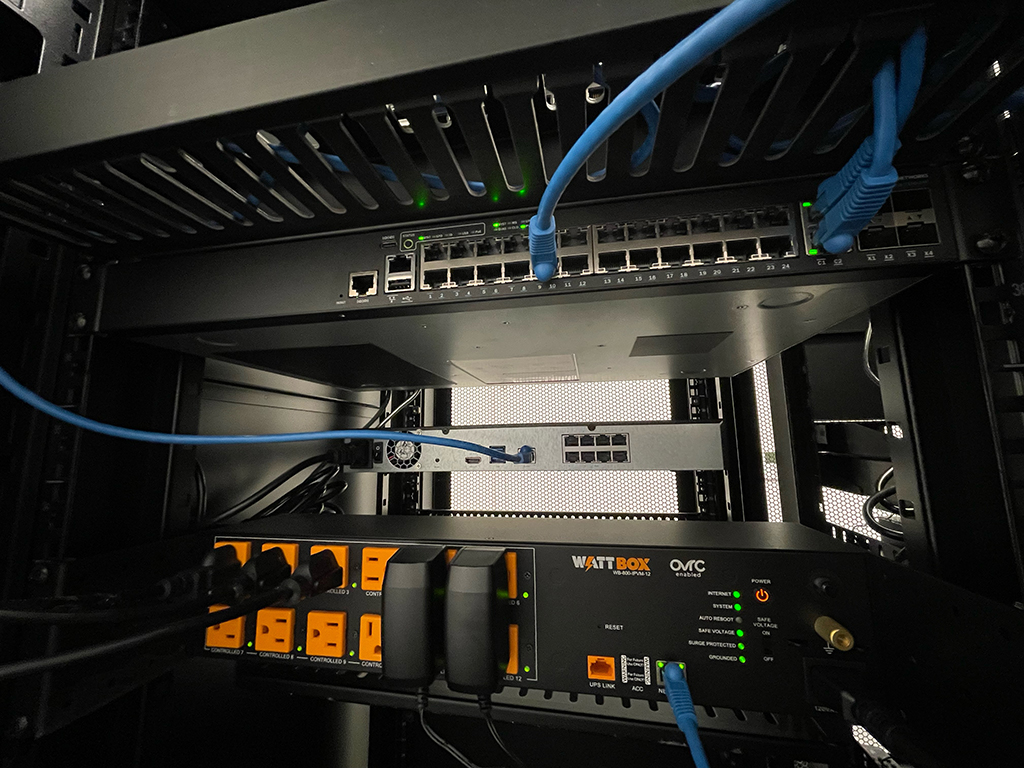
Using wireless access points Access Networks and power-over-grid switches ensure all initiatives have a constant connection to the grid, in addition to providing different WLANs for employee and guest mobile devices.
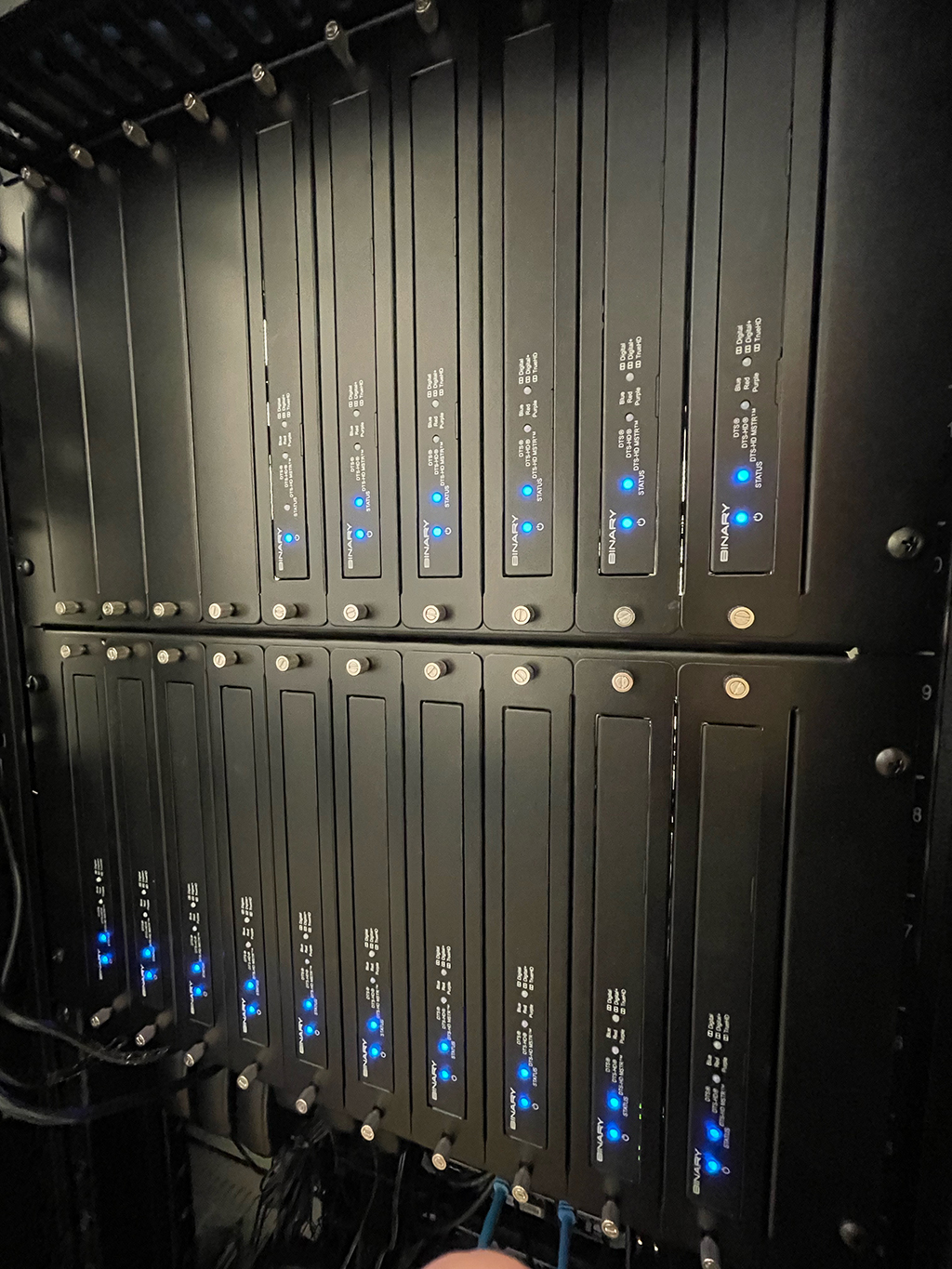 “Most museum systems are controlled using IP functions, like the audio, the video, automation and remote monitoring, so the Access Networks network is one of the most important pieces of this infrastructure. Snap One provided design assistance and recommendations for replacement products if an item was out of stock”, explica Wyllie
Due to the relatively small area of the museum and its external grounds, exhibitions that would traditionally require entire rooms, how to show a helicopter or a tank, are achieved using small hologram devices of DSee.Lab that project three-dimensional images of the equipment, which can be designed to rotate or allow visitors to move around the hologram. Holograms are also connected to the network.
Another area pays tribute to the 317 Navy SEALs killed in combat since World War II. The area 'The Cost of Freedom’ includes a real wood wall with pictures displayed on it and in front of this is a bench to sit and reflect. Behind the bench there is a table with a 'Virtual Book' which is projected in front of the exhibition and allows visitors to use gesture controls to flip through the book and read the story of each soldier.
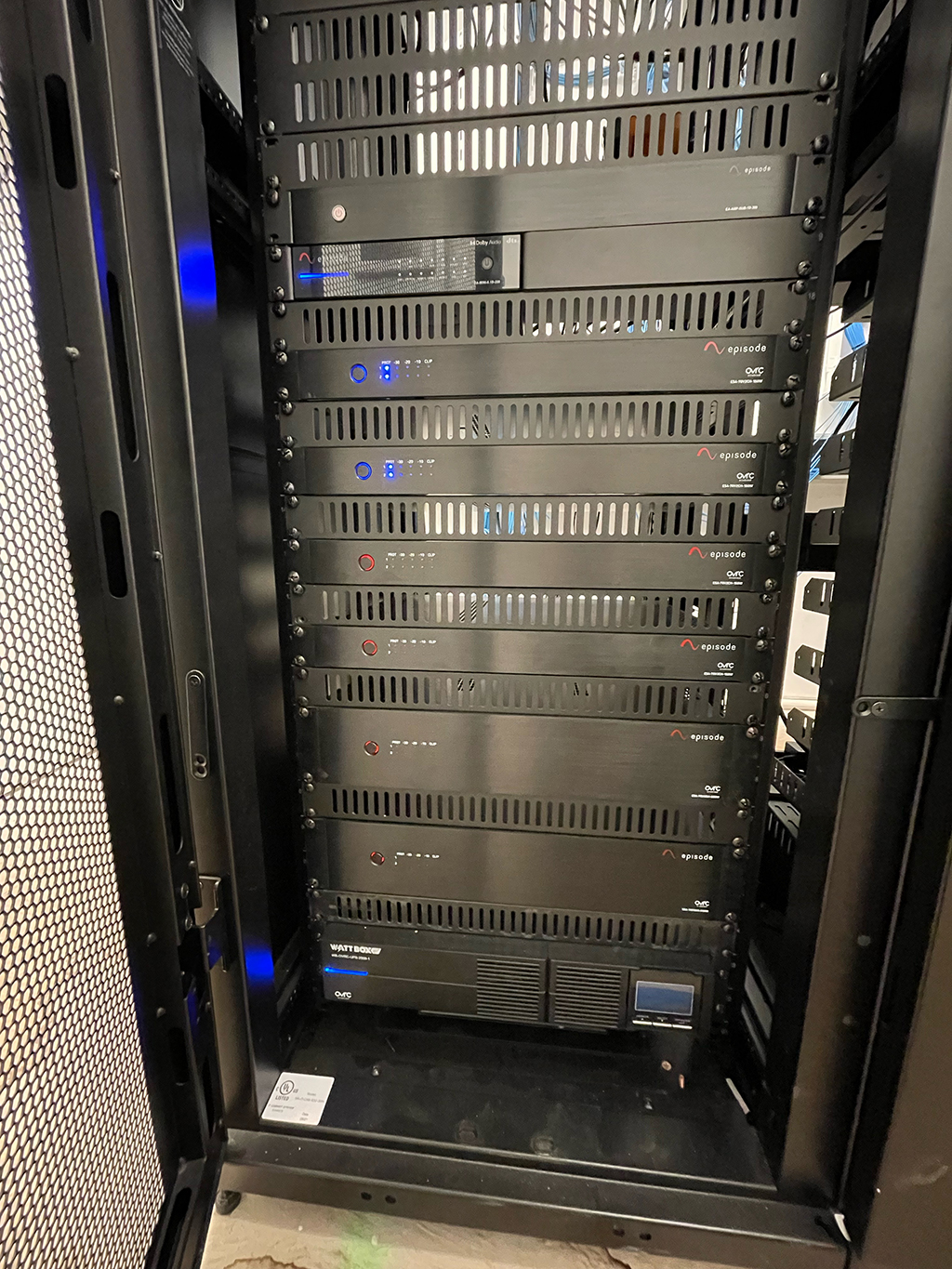
“In addition to projection maps and video screens, Professional-quality audio helps create an immersive atmosphere in many of the exhibits, with hanging speakers Episode of 70 volts located throughout the museum”, Wyllie adds.. “There are even all-weather speakers in the outside garden area, where visitors can walk among military equipment. Everything is powered from the equipment racks with Episode amplifiers”.
Microphone systems have also been installed, such as wireless Sense and USB speakers from ClearOne, which are used for internal staff purposes and to enable amplified presentations and speeches for private events or future guided exhibitions.
Safety and security
 To give peace of mind to museum workers, A surveillance system has been installed 30 cameras Luma Surveillance y Clare Controls offering real-time views of the entire interior and exterior, so that if any act of vandalism or accident occurs, they have video evidence.
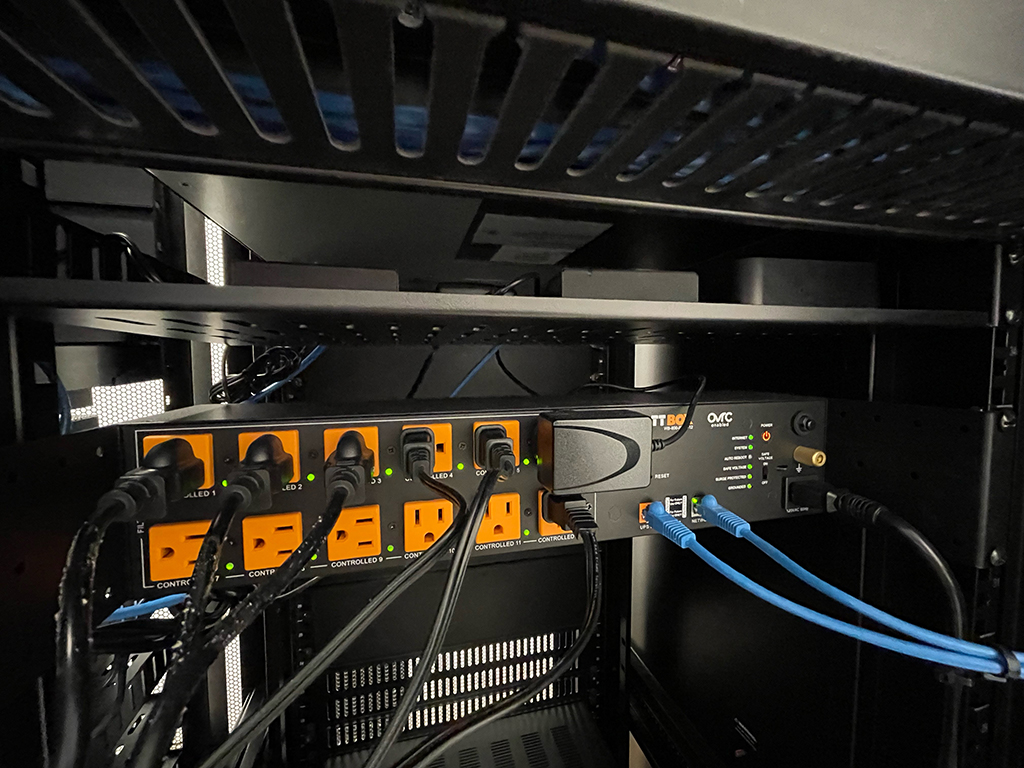
All electronic equipment is also protected from power surges and sags thanks to Snap One WattBox power conditioners and surge protectors., equipped with platform OvrC, providing remote access to monitor and adjust equipment.
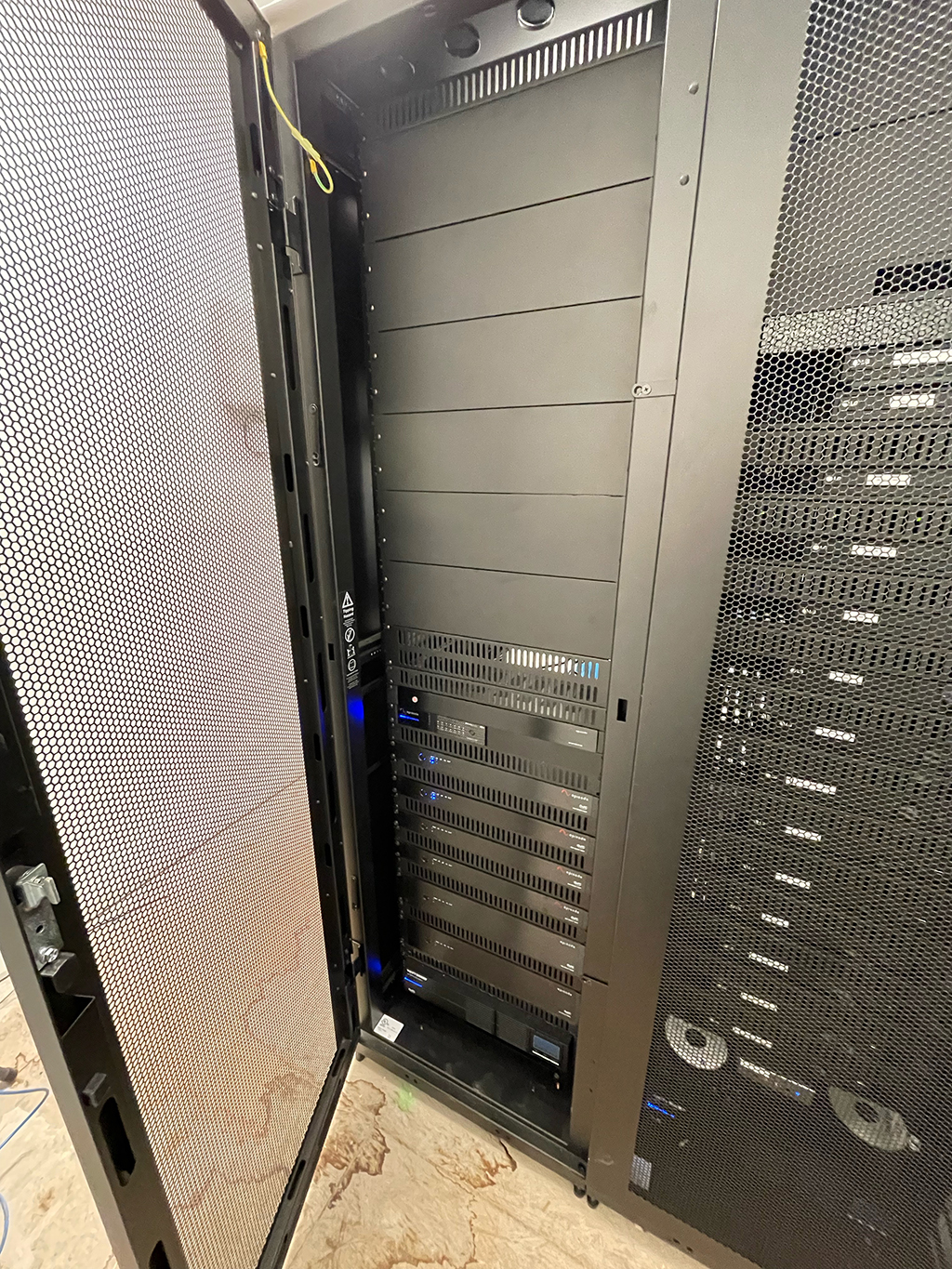 “There are many expensive electronic equipment in the museum, and all must be protected to ensure reliable operation and protect against business interruptions or catastrophic damage caused by power surges”, Wyllie adds.. “The OvrC system allows you to see the operation of the equipment from anywhere, so minor problem solving can be done instantly without having to physically go to the museum”.
Wyllie comments how having an overview of operations is crucial because the museum is largely made up of volunteers and, generally, there is no AV or IT professional on site to manage daily issues. He also notes that working almost exclusively with Snap One products has helped ensure that all the disparate systems and components are compatible and integrate easily..
The museum is funded entirely through donations and fundraising events and opened last 28 June, anniversary of Operation Red Wings, a mission carried out in Afghanistan in 2005.
Did you like this article?
Subscribe to our NEWSLETTER and you won't miss anything.
Related articles
 “Christie offers comprehensive solutions to create immersive experiences in any project”, Marcos Fernandez
 Charmex T-Floor: Led floor screen to create immersive experiences
 PureLink shows the future of immersive experiences with PureSpace
 Datapath helps set a new standard in immersive experiences
 Martin Audio helps create Twist museum's immersive experiences
 Sennheiser and Neumann help ITEC create immersive experiences
 Circo del Sol devises immersive experiences with Epson projection
 Panasonic RQ7: immersive 4K visual experiences available to everyone
 Panasonic ET-FMP50 redefines immersive experiences with multi-projection
 Sphere and Holoplot revolutionize immersive audio experiences
 Randstad creates an immersive experience center with Pixera
 Peerless-AV helps create the immersive Jackie Robinson Museum experience
 Christie laser projection helps create extrasensory experiences at Taiwan's Xpark Aquarium
 Sony offers immersive AV experiences that encourage collaboration at ISE