


Audinate Dante recreates the spatial audio system for 'The Wizard of Oz'
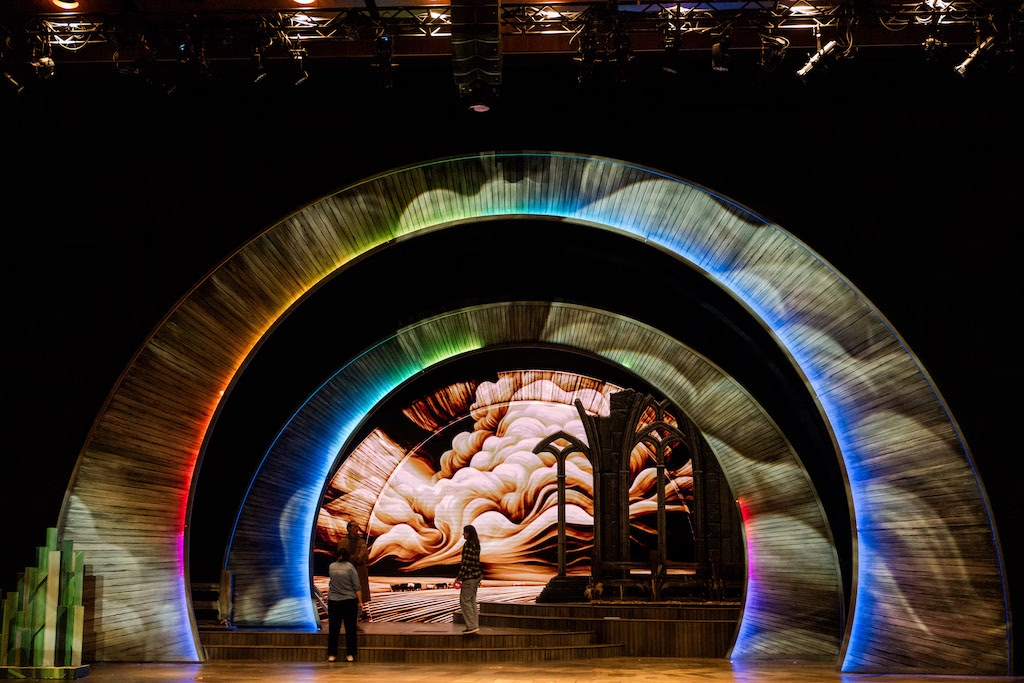
The high number of Dante channels (Audinate), su baja latencia y su sincronización precisa han permitido ubicar señales de audio en cualquier punto del teatro estadounidense City Springs con exactitud milimétrica, creando un campo sonoro plenamente tridimensional.
La compañía de teatro City Springs, con sede en Georgia (EU), produce cada año cuatro grandes musicales al estilo Broadway. Cada montaje se representa en el teatro Byers, dentro del Sandy Springs Performing Arts Center, un recinto con 1.070 butacas que obliga al equipo de producción a “construir el teatro” desde cero en cada ocasión.
Los conciertos, espectáculos teatrales y otros eventos en directo exigen un alto rendimiento y una fiabilidad absoluta a lo largo de toda la cadena de audio, desde los micrófonos e instrumentos hasta el procesamiento y los sistemas de refuerzo sonoro, monitorización y grabación.
Como diseñador jefe de sonido, Anthony Narciso aporta una amplia experiencia profesional a su labor, incluyendo su trayectoria en el ámbito teatral como miembro de United scenic artists y del consejo de Theatrical sound designers and composers association.
Para el El Mago de Oz, Narciso abordó la producción “como si fuera una gira”, dada la ausencia de infraestructura permanente, creando un sistema de sonido totalmente desplegable que transformó un espacio estático en un paisaje sonoro inmersivo y narrativo.
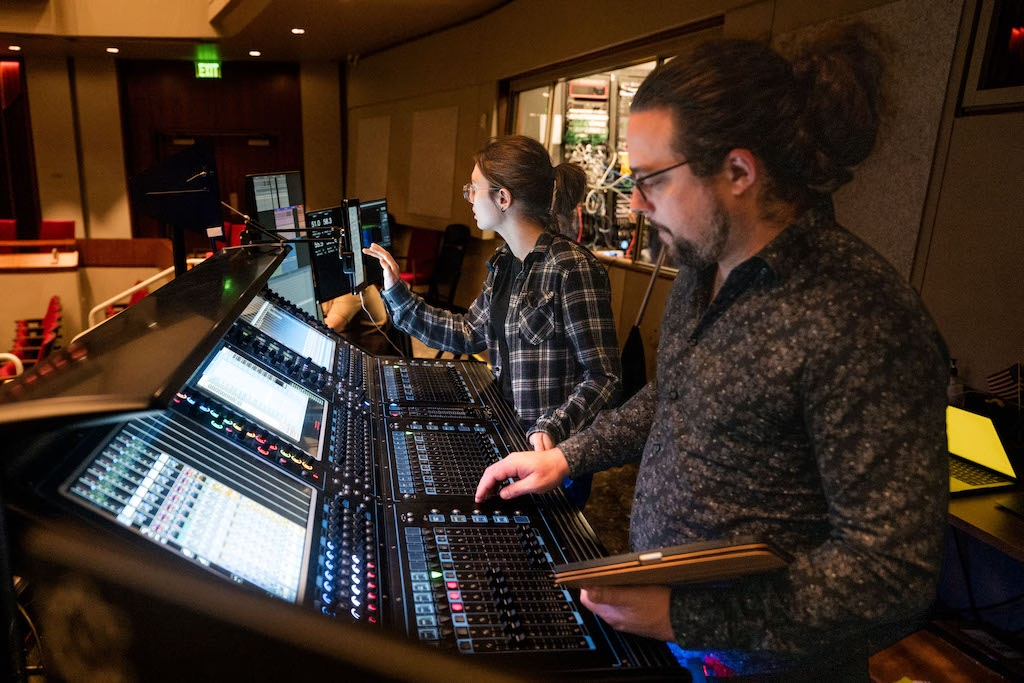
“Implementamos un sistema de audio espacial y otro de seguimiento that allows ubicar las voces en el tiempo y en el espacio -explica Narciso-. El amplio reparto incluía un elenco infantil, exigía precisión y claridad en una mezcla compleja de diálogos, música y efectos”.
To face this challenge, el diseño se basó en un TiMax SoundHub habilitado para Dante; el sistema de seguimiento TiMax TrackerD4 y en una red troncal Dante que conectó de forma fluida micrófonos, consoles, procesadores y amplificadores.
Claridad en el caos
La producción de El Mago de Oz planteó desafíos tanto artísticos como logísticos. He periodo de montaje fue casi la mitad del tiempo habitual, como señala Narciso: “normalmente disponemos de entre doce y catorce días para levantar un espectáculo, y en este caso tuvimos alrededor de una semana”.
Desde el punto de vista creativo, el espectáculo requería una narrativa sonora capaz de equilibrar la grandiosidad orquestal, los efectos ambientales y la claridad vocal. “Lo más importante para mi es aportar claridad en momentos cacofónicos”, assures.
For example, durante la secuencia del tornado “tenemos que ser engullidos por el este… pero también debemos escuchar claramente las orquestaciones”.
Lograr esa claridad exigía un control preciso de la ubicación, el movimiento y la inteligibilidad, algo posible únicamente gracias a una infraestructura Dante robusta y flexible que conecta digitalmente todo el equipamiento.
Diseñar la red del camino de baldosas amarillas
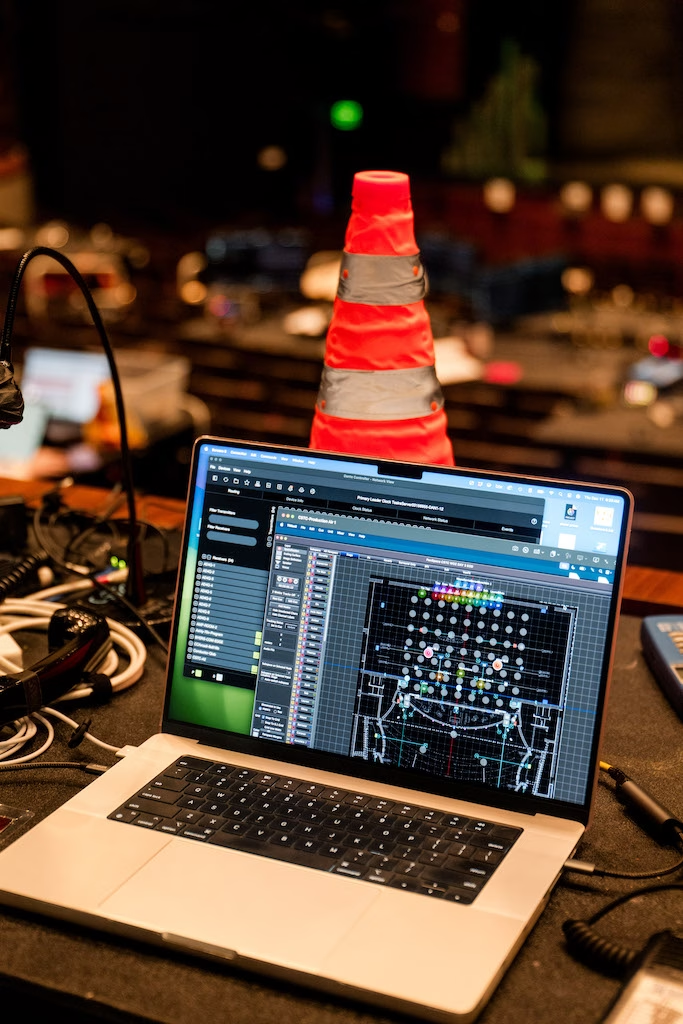
La creación sonora de El Mago de Oz se sustenta en un sistema de audio espacial basado en TiMax. They are procesador SoundHub y el sistema de tracking D4 crean una espacialización basada en retardos, situando la voz de cada intérprete en su ubicación física sobre el escenario con una precisión cercana al milímetro.
Como subraya Narciso, “sin Dante, esto ni siquiera sería una conversación. Necesitas un canal individual para cada caja acústica, y Dante es la vía para hacer audio espacial”.
Cadena de señal completa
- Micrófonos inalámbricos Shure Axient conectados a una consola DiGiCo vía Dante.
- Cada micrófono enviado por Dante a TiMax SoundHub (until 64 tickets and 38 salidas en uso).
- Orange Boxes de DiGiCo convirtiendo Dante a AES3 para alimentar 17 amplificadores que mueven 65 speakers.
- Sistemas de reproducción QLab ejecutando Dante Virtual Soundcard para la operación principal y de respaldo.
- Software de monitorización Wavetool, que aprovechan divisiones Dante para análisis de RF y audio en tiempo real.
- Intercom Clear-Com Arcadia integrado con Dante para la comunicación del equipo y la monitorización de focos.
- Rutas de Wavetool a través de un canal Clear-Com Arcadia vía Dante para identificar problemas específicos de micrófonos en movimiento.
- Sistemas de megafonía backstage y señales para el vestíbulo distribuidos a través de canales Dante dedicados.
La infraestructura Dante también permitió realizar soundchecks virtuales, grabando entradas en directo directamente en un portátil y reenviándolas a la consola para ensayar la mezcla. “Si el elenco no está disponible durante treinta minutos podemos pulsar un botón, reproducir el audio del espectáculo y que el A1 esté mezclando. Es invaluable”, afirma Narciso.
Escuchar la magia
 El resultado de este despliegue tecnológico de audio ha sido inmediato. Tanto el público como los profesionales del sector han destacado la inteligibilidad cristalina y el realismo espacial: “suena mejor que algunos espectáculos de Broadway”, ha sido alguno de los comentarios de los técnicos.
No se trataba solo de volumen o claridad, sino de cómo el sonido ocupaba el espacio del teatro, envolviendo al público en una experiencia plenamente inmersiva, lo que ha sorprendido a todos.
En los primeros años de la compañía, el sonido era el área que más necesitaba mejorar. La instalación del sistema espacial hizo que el audio recibiera elogios frecuentes tanto de abonados de larga trayectoria como de nuevos espectadores.
El éxito de El Mago de Oz ha demostrado cómo un ecosistema basado en Dante puede elevar el sonido teatral a una calidad cinematográfica, permitiendo un diseño inmersivo, el despliegue rápido y una claridad sin precedentes.
El alto número de canales de Dante, su baja latencia y su sincronización precisa han permitido a Narciso ubicar señales de audio en cualquier punto del teatro con exactitud milimétrica, creando un campo sonoro plenamente tridimensional. Esta capacidad resulta especialmente valiosa en grandes recintos, donde la experiencia acústica varía considerablemente según la ubicación del asiento.
“Lo mejor que puedo decir es que Dante simplemente funciona. Para los teatros modernos que buscan audio espacial inmersivo, la combinación de redes Dante y sistemas avanzados de seguimiento no es solo conveniente: es transformadora y redefine cómo puede sonar el teatro en directo”, concluye Narciso.
Did you like this article?
Subscribe to our NEWSLETTER and you won't miss anything.
Related articles
 Audinate fortalece la oferta multicanal de Dante AV
 Audinate desarrolla Dante Director para la gestión remota de redes AVoIP
 Audinate refuerza su imagen corporativa y la de su plataforma Dante
 SNA Displays builds a spectacular Led system for the Kennedy Space Center
 Audinate integra en Dante AV el conjunto de chips AV sobre IP de Aspeed
 Audinate presenta el SDK de la plataforma integrada Dante para facilitar su despliegue
 Audinate y Soundware organizan en Madrid cursos para Certificación Dante y exposición de soluciones
 Yamaha adopta la tecnología Dante AV de Audinate para su nueva línea de productos
 La española LDA Audio Tech logra la licencia de redes de audio Dante para sus proyectos
 Audinate introduces its Dante Broadway chip to add mid-size audio products
 Audinate Dante Via conecta cualquier aplicación de audio o dispositivo del ordenador a una red Dante
Audinate demostrará en InfoComm 2015 la interconexión que ofrece Dante Via en una red de audio
Symetrix, Attero Tech y Stewart Audio se asocian para facilitar la interoperabilidad de las redes de audio Dante
Audinate Dante Via conecta cualquier aplicación de audio o dispositivo del ordenador a una red Dante
Audinate demostrará en InfoComm 2015 la interconexión que ofrece Dante Via en una red de audio
Symetrix, Attero Tech y Stewart Audio se asocian para facilitar la interoperabilidad de las redes de audio Dante
 La tarjeta Audinate Dante-MY16-AUD, actualizada para el control remoto del amplificador principal