





GLP Nexus transforms lighting in the Tenea archaeological excavation (Greece)
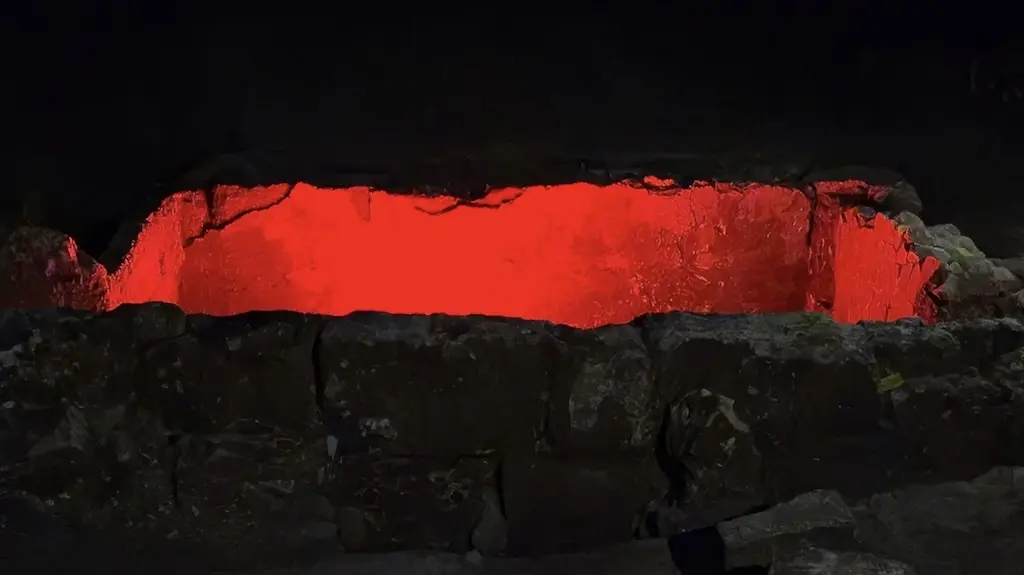
The solution GLP Nexus, with IP rating, battery powered and app controlled, is emerging as the solution chosen by the architect, show designer and cultural advisor Andreas Skourtis to shed light on the legendary site in Tenea, in ancient Corinthia (Greece).
Numerous important finds and artifacts have been found in this archaeological excavation, ranging from the Archaic Age and the Bronze Age to the Hellenistic and Roman periods.. Started in 2013, The excavation takes place for five weeks in September and October each year.
Known today as Chiliomodi, the village is also the birthplace of Andreas Skourtis, who has been working with the excavation team of the Greek Ministry of Culture, under the direction of Elena Korka. Based in London, specializes in performance-oriented spatial strategy, and is also director of the Performance Design program at the Royal Central School of Speech and Drama. (University of London).
The site is associated with mystical healings, and excavations on Andreas Skourtis' own plot have brought to light ritual structures, underground cisterns, treasures of rare coins and workshop complexes.
This year he partnered with lighting designer Sofia Alexiadou, who is also director of the bachelor's program (with honors) in Creative Control of Lighting and the master's degree in Light in Representation at Rose Bruford College. To give life to the different pits in a fluid way, especially during sunset, found an ingenious solution in GLP's new Nexus lighting range.
After meeting her for the first time from the director of the Nexus Lights division, Manuel Paulus, during the Prolight+Sound fair 2025 held in Frankfurt last year, immediately realized that this wireless IP65 lighting solution, battery powered and app controlled would not only give you creative freedom, but would also offer 24 hours of autonomy before needing a quick recharge. Con 48 LED RGBW, The bright and powerful color palette offered numerous options.
Reflecting on your use of Nexus, Sofia admits that “I simply fell in love with them and their flexibility, and as a designer I immediately started thinking about how I could use them. When I was invited to the archaeological project, said: ‘Puede que tenga algo que sea absolutamente perfecto para el espacio'”.
“We started playing with the 10 different units, moving them and using different colors», explains, “but the most important thing was to follow the architecture of the space”.
Skourtis adds that “we wanted to create a spatial and scenographic improvisation of the site, and Sofia and I were able to use these wonderful Nexus lights to highlight those elements; What we ended up doing was illuminating a part of the excavation as if it were the beating heart of the space. We tried different colors and different light intensities… and the most brilliant property of these lights was that they were very easy to install, to play with and explore”.
For Sofia Alexiadou, the highlight was how the artificial light took over as the sun set: “Mix the natural light of the landscape at dusk… and, as it faded, see how Nexus took over. We were literally in the middle of nowhere., so being able to carry these lights and control them from the app was amazing. How do they work with battery?, there was minimal disruption—touching areas that had been covered for centuries. We were able to play with the intensity, using all the colors and creating something through this new light in an area that had been buried. And how are they so light and flexible, We were able to place them in areas where we knew they would not cause any damage”. “It is clear that they were created for the performing arts, That's why I wanted to take them out of context., and it worked very well”, underlines.
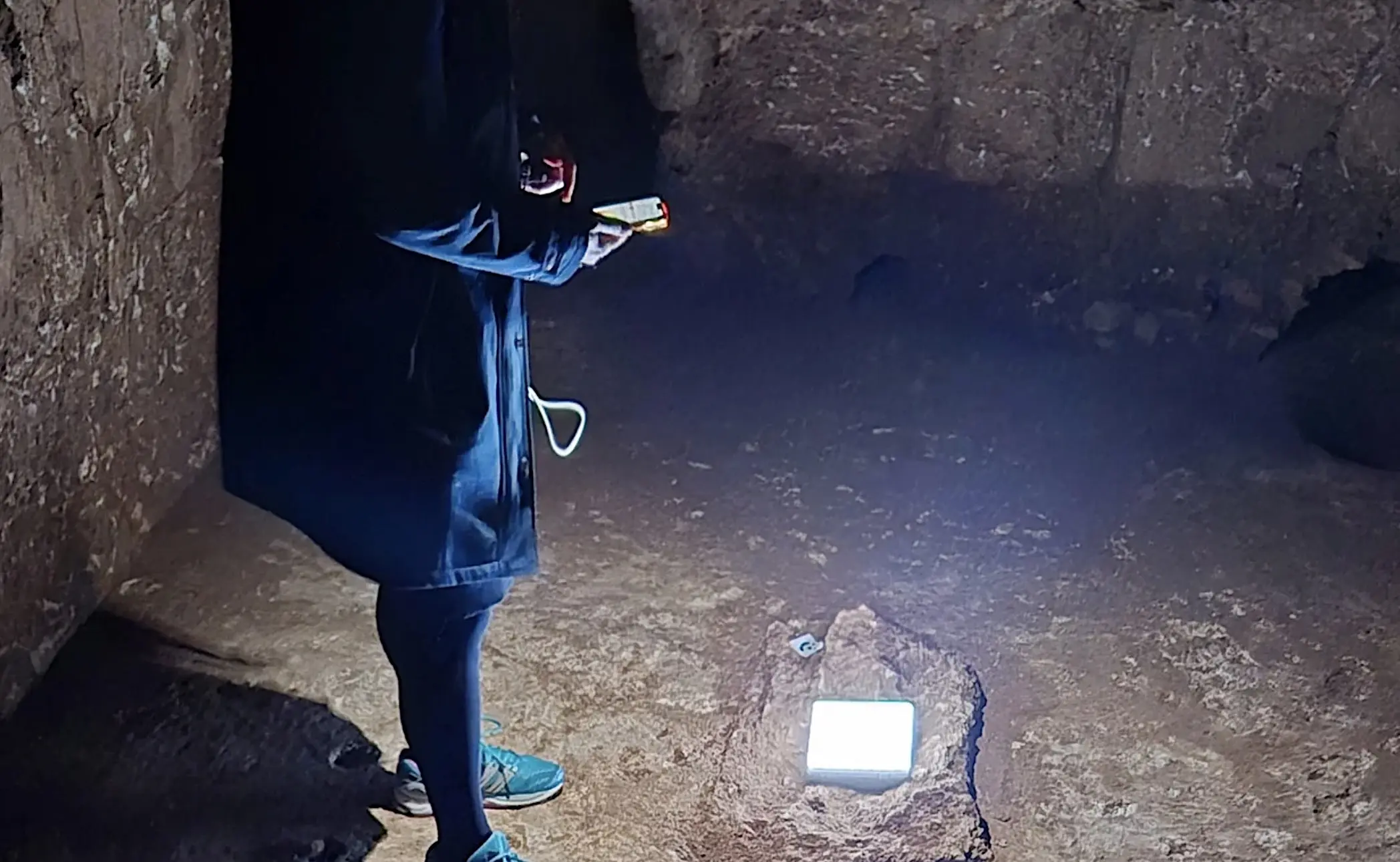
A light that answers all questions
As a lighting designer, she highlights that it was an interesting experiment for “put the quality of Nexus to the test and examine all the nuances and saturation we could achieve against natural light. Es extremely flexible y, as for the color, GLP has created a light that answers all questions. It has certainly given us a vision of the future, in case we want to do a more permanent light installation there, and I know I will use them again”.
Skourtis concludes by stating that it was “an opportunity to map the site, and do something improvised, which allowed us to learn something about how lighting can be used to underline a narrative and create atmospheres on a live archaeological dig.. It's really weird to be able to do that.”.
Besides, has allowed them to investigate lighting within the framework of a live archaeological excavation and present their work as part of the annual site-specific performance-installation event, Performing Ancient Tenea: Fragments, curated and organized by Andreas every October since 2024, as part of your wider practical research project, in collaboration with the archaeological team.
Did you like this article?
Subscribe to our NEWSLETTER and you won't miss anything.
Related articles
 Fluge transforms the Alegal restaurant into a hybrid space with AV technology and Led lighting
 GLP Nexus Lights: professional portable lighting controlled by app
 Robe transforms Palast Berlin with large-scale mobile lighting
 GLP presents at Prolight + Sound 2025 your new brand Nexus Lights
 Hive will reveal the power of the new Beeblade Nexus engine at ISE
 Prolights lighting transforms the staging at the Soho theater CaixaBank
 GLP transforms violinist Filip Jančík's concerts with LED lighting
 Anolis transforms the facades of Nottingham Castle with LED lighting
 ProLights transforms the lighting of the Church of Discovery in Orlando
 Legends Casino hotel transforms its event space with Elation lighting
 Christie and Cocolab revive the archaeological zone of the Teotihuacán pyramids
 AEC Illuminazione transforms Milan street lighting with LED technology
 Prague is transformed with the audiovisual and lighting installations of the Signal Light Festival
 Seagate appoints Rui Simões Country Manager for Spain, Portugal and Greece