


An international project develops an intelligent video surveillance system for large cities
The main objective of the HuSIMS project, in which the University of Valladolid participates, es vencer las limitaciones existentes en las soluciones actuales de videovigilancia y generar una plataforma que permita aumentar la seguridad en lugares públicos de grandes ciudades.

Desplegar un sistema de videovigilancia en ciudades con millones de personas es un reto complicado. A los costes de las cámaras y la infraestructura se añaden los de los operadores humanos, ya que se necesita una gran cantidad de personal para monitorizar lo que ocurre en cada cámara. Con el fin de aprovechar las posibilidades que ofrecen las TIC en este sentido, diez entidades de Israel, Türkiye, Corea y España, entre ellas la Universidad de Valladolid como única universidad participante, han iniciado el proyecto HuSIMS. El trabajo forma parte de la iniciativa Eureka-Celtic de la Comisión Europea, cuyo objetivo es fomentar la I+D colaborativa para incrementar la competitividad en materia de telecomunicaciones.
Javier Aguiar, coordinador del Grupo CIT (Comunication and Information Technologies) de la Universidad de Valladolid, ha precisado que el proyecto HuSIMS pretende diseñar una red de cámaras de videovigilancia capaz de identificar de forma inteligente cuándo en la imagen se está dando una situación de emergencia, desde un accidente de tráfico a un incendio. “Se trata de sistemas de monitorización y videovigilancia con redes de sensores masivas para controlar grandes áreas metropolitanas de forma inteligente, that is to say, sin la necesidad de que un operador humano esté constantemente monitorizando lo que sucede en las cámaras”, has pointed out.
This way, se podrían controlar miles de cámaras con pocos operadores, ya que éstos solo recibirían alertas ante situaciones anómalas. “Las cámaras ni siquiera toman las imágenes, sino que las modelizan a través de modelos matemáticos, y esos parámetros que van capturando (la posición, tamaño o velocidad de los objetos), al ser datos, ocupan mucho menos ancho de banda, con lo cual reduces también el coste de transmisión, porque son cámaras inalámbricas que mandan toda la información a una unidad central”, detalla. So, duck, se reducen también los costes de las cámaras. En el proyecto participan dos empresas israelíes punteras en este tipo de dispositivos, “cámaras que, al ser inalámbricas, evitan gastos de infraestructuras y que, al no procesar directamente la información, sino que la envían a una unidad centralizada, permiten un bajo coste”.
 Entrenamiento
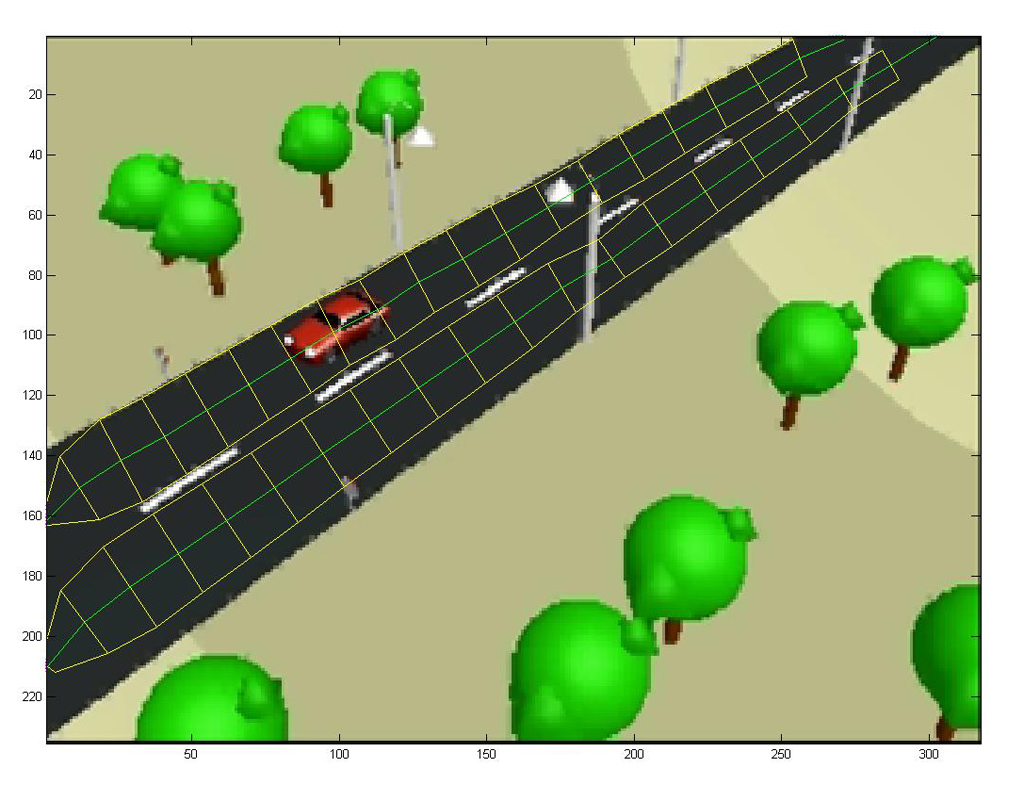
Tal y como ha explicado Javier Aguiar, estos sistemas de videovigilancia basados en inteligencia artificial requieren de un tiempo de “entrenamiento” para distinguir los comportamientos anómalos de los que no lo son. “Una vez que preparas a los sistemas el operador ya no tiene que estar al tanto de las cámaras, solo de las alarmas que generan”, remember, una información muy útil para los equipos de emergencia.
En estos momentos los investigadores están realizando pruebas en torno a diferentes situaciones anómalas, como accidentes de tráfico. “Una vez que entrenamos a las cámaras para que sepan qué es lo que están vigilando, en este caso la seguridad vial, luego es relativamente sencillo a través de modelos matemáticos saber si lo que sucede es normal o si los parámetros tomados se salen de lo previsto, como por ejemplo un coche circulando en dirección contraria”, ha subrayado Aguiar, quien ha apuntado que se trata de utilizar la inteligencia artificial “en un campo en el que aún no se había aplicado”.
El hecho de poner “adaptar” la videovigilancia a diferentes situaciones supone, a juicio del experto, un importante valor añadido. “Una de las cosas más potentes de estas nuevas tecnologías es que el núcleo es común y se puede aplicar a distintos usos, por lo que trabajamos también en temas de vandalismo o medio ambientales”, resalta. En este último campo, se están empleando cámaras satélite para el control de incendios forestales. “Lo único que hay que hacer es cambiar las reglas de la inteligencia artificial para que te detecte unos casos anómalos u otros”.
La inquietud por parte de la Comisión Europea en esta línea de investigación se ha incrementado en los últimos años para evitar casos de terrorismo. In this sense, Aguiar avanza que ya hay empresas de seguridad interesadas en los resultados de este proyecto, que concluirá en 2013.
Detección de patrones anómalos
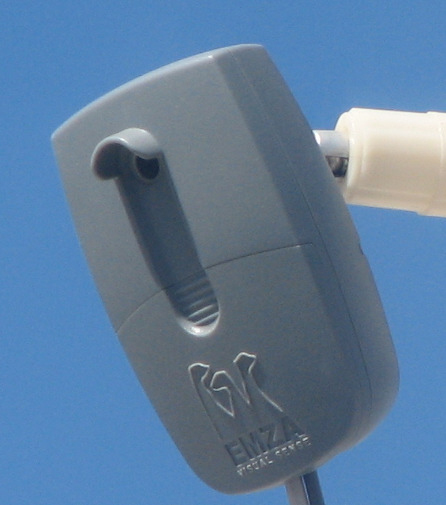 El trabajo que lleva a cabo la Universidad de Valladolid en el marco del proyecto se centra, según el coordinador del grupo CIT, en la parte de inteligencia artificial. “Una vez que las cámaras captan y modelizan la información, nos pasan los parámetros de los objetos. Nosotros trabajamos en la parte de inteligencia artificial para detectar esas situaciones o patrones anómalos dentro de los que nos están pasando las cámaras”, has pointed out.
Para implementar este comportamiento inteligente, una de las estrategias que se utiliza es el análisis semántico. Un primer análisis de los objetos en movimiento y sus trayectorias en la señal de video permite identificar entidades con sentido como calzadas, aceras, puertas, peatones o vehículos. En una segunda etapa se incorporan estos objetos a un modelo de conocimiento semántico y se caracteriza el comportamiento normal y anómalo de estos actores. Esto permite al sistema operar a un nivel de abstracción similar al del conocimiento humano, como explican los investigadores, quienes esperan tener un primer demostrador del sistema el próximo año.
Did you like this article?
Subscribe to our NEWSLETTER and you won't miss anything.
Related articles
 Sommer Cable desarrolla Elephant Robust SMP2440 para grandes sistemas de altavoces
 Innovae develops a project with Mixed Reality for the automotive industry
 Optimus develops two high-power speakers for large spaces
 Viewsonic develops Pro9 projectors for large spaces with lots of ambient light
 Samsung develops smart lighting platform for IoT
 Optoma develops two new lenses for projections in large spaces and simulation
 Diode offers four HD video surveillance bundles to tackle any security project
 Videoguard Project: intelligent image analysis to detect and prosecute poaching in Vigo
 Indra coordinates the first test of the European R&D project Perseus for maritime control and video surveillance
 HDMI and 3D video extenders with fiber optics for long distances from Aten Internacional
 Amper is awarded a security project for large events in Brazil
 bcSistemas adds functionalities to its Argos system to protect the historic center of cities
 Ficosa develops a new road traffic video surveillance system
 AirLive presents CamPro Professional, intelligent software for professional video surveillance