


The UPV develops a virtual accessibility experience at La Lonja de la Seda in Valencia
La Lonja de la Seda de Valencia será objeto de una experiencia piloto de accesibilidad visual mediante el uso de realidad aumentada, impulsada por investigadores de la Universitat Politècnica de València, con la que los visitantes de este histórico edificio tendrán al alcance de su vista modelos tridimensionales virtuales de diferentes partes del edificio, como la columna helicoidal, la bóveda, la clave, la escalera, la tracería de las ventanas, los artesonados y la puerta del Consulado del Mar.
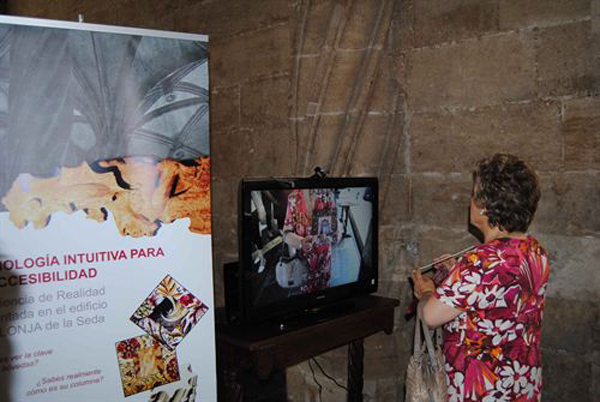
Investigadores de la Universitat Politècnica de València (UPV) están llevando a cabo una experiencia piloto de accesibilidad visual en la Lonja de la Seda de Valencia mediante el uso de realidad aumentada. Con esta tecnología, los visitantes tendrán al alcance de su mano modelos tridimensionales virtuales de diferentes partes de este emblemático edificio del gótico valenciano, informa la institución académica. El proyecto está siendo dirigido por un equipo del Departamento de Expresión Gráfica Arquitectónica (EGA) en la Escuela Técnica Superior de Ingeniería del Diseño (ETSID), en colaboración con el grupo Labhuman-I3BH de la UPV y la Regidoria de Cultura del Ayuntamiento de Valencia, responsable de este monumento, ha señalado la universidad en un comunicado.
Marina Puyuelo, investigadora principal de este proyecto, has explained: “Este proyecto de investigación multidisciplinar de arquitectura, ingeniería gráfica y diseño se plantea mejorar la calidad y la sostenibilidad de este enclave del patrimonio construido, ampliando y actualizando las condiciones de su visita. En particular la investigación se propone indagar e implementar esta tecnología gráfica con la finalidad de hacerlo más accesible, favoreciendo su conocimiento y disfrute. Queremos que el visitante de la Lonja pueda apreciar detalles que son difíciles de ver por la iluminación de la sala, la distancia del objeto, la accesibilidad vertical, etc. Nuestro trabajo se dirige a todos los públicos, pero especialmente a aquellos colectivos que puedan tener algunas dificultades, como mayores, niños o personas con alguna discapacidad visual”.
En esta primera fase del proyecto, los investigadores han recreado mediante realidad aumentada la columna helicoidal, la bóveda, la clave, la escalera, la tracería de las ventanas, los artesonados y la puerta del Consulado del Mar situada al final de la escalinata del patio.
“Hay elementos escogidos por su interés arquitectónico y otros por la imposibilidad de acceder a ellos. La realidad aumentada permitirá a los visitantes acercarse a cada uno de ellos, poniendo al alcance de la mano detalles inapreciables a la vista y, at the same time, ayudando a saber un poco más sobre sus características constructivas”, ha destacado Lola Merino, investigadora del DEGA de la Politècnica de València.
Para hacer más intuitiva la interacción con la herramienta de realidad aumentada y facilitar la identificación de las piezas originales del edificio, los investigadores de la UPV han llevado a cabo un detallado trabajo de diseño de las fichas-marcadores, incluyendo en las mismas referencias gráficas relacionadas con el imaginario de La Lonja y una reproducción de cada uno de los elementos seleccionados. “El usuario simplemente tiene que escoger una ficha, colocarla delante de la cámara y en una pantalla aparece el modelo tridimensional del detalle que muestra la imagen central. Puede observarlo de cerca y moverlo libremente para comprender cómo es”, ha apuntado Marina Puyuelo.
Interacción
Esta primera experiencia piloto se complementa con un breve cuestionario de usabilidad y satisfacción que permitirá mejorar su diseño y obtener información sobre la interacción con el usuario y su receptividad a este tipo de instrumentos y tecnologías.
Según destacan los investigadores de la UPV, este tipo de aplicaciones de la tecnología de realidad aumentada puede contribuir a mejorar el conocimiento y la accesibilidad a enclaves particulares de interés cultural poniendo en valor sus características y aumentando la participación y la calidad de la visita. “Nuestro trabajo en este proyecto se centra en acercar a todo tipo de público al patrimonio de modo que se complemente la visita con recursos actuales y atractivos que también pueden ser de gran utilidad para los guías turísticos”, añaden Lola Merino y Marina Puyuelo.
Did you like this article?
Subscribe to our NEWSLETTER and you won't miss anything.
Related articles
 “Daktronics develops technologies to offer the best video experience”, Ivan del Rio
 Hemisféric de Valencia offers an immersive projection experience with Panasonic
 Disguise desarrolla dos servidores de medios para producción virtual
 Adif transforms its training center in Valencia into a virtual reality center with Augmenty
 Virtual Playground brings the immersive experience of virtual reality to all audiences
 Ideum desarrolla una experiencia interactiva y sensorial para disfrutar de la cata del vino
 Valencia CF creates an audiovisual system at Mestalla to improve the fan experience
 Polycom desarrolla herramientas que buscan crear una completa experiencia colaborativa
Tensator desarrolla un sumiller virtual para el fabricante de sake Ty Ku
Polycom desarrolla herramientas que buscan crear una completa experiencia colaborativa
Tensator desarrolla un sumiller virtual para el fabricante de sake Ty Ku
 Nace FCB Virtual Tour, the most interactive virtual experience of the Barça facilities
 Every detail of the Valencia Market, in augmented reality
 Virtway develops the 'Virtual Mental Health Simulator' for AstraZeneca: Virtual Patient’
 Finca San Blas Winery installs a virtual store in the center of Valencia
 Valencia 'burns’ his first virtual failure