


Madrid apuesta por el ‘I+D+i como seña de identidad’ con el futuro Campus de la Innovación
Con el objetivo de convertir a la capital de España en “un centro neurálgico de la innovación abierta”, en palabras de su alcaldesa, Ana Botella, Madrid Campus de la Innovación inició ayer con la firma del protocolo de colaboración entre empresas del sector privado y público el camino para convertirse en un “centro pionero abierto a todos aquéllos que quieran desarrollar actividades de investigación y divulgación relacionadas con la innovación”.
La antigua fábrica de ascensores Boetticher, ubicada en el madrileño distrito de Villaverde, ha vuelto -doce años después de un complejo y dilatado proceso de rehabilitación de este clásico arquitectónico de la ingeniería industrial iniciado en 2003 por el entonces alcalde de Madrid, Alberto Ruíz Gallardón-, a situarse en el centro de atención político, económico y social bajo la denominación de Madrid Campus de la Innovación (antes conocido como la ‘Catedral de las Nuevas Tecnologías’).
He Madrid City Council, con su alcaldesa Ana Botella, al frente, firmó ayer mismo el protocolo general de colaboración con empresas del sector público y privado (mostly) para iniciar a corto plazo este proyecto con el objetivo de crear “un centro pionero de innovación abierta y apoyo al emprendimiento en la capital”, tal y como subrayó.
 This initiative, en la que se han invertido hasta ahora más de 30 millones de euros sin que se tenga información sobre la partida dedicada a cada área y proyectos, cuenta con la colaboración de empresas tecnológicas como Cisco, Indra, Intel, Microsoft y Telefónica, con aportaciones de Philips e IBM, as well as with the Secretaría de Estado de Telecomunicaciones; Polytechnic University of Madrid (UPM) y Ferrovial Servicios, además del consistorio madrileño.
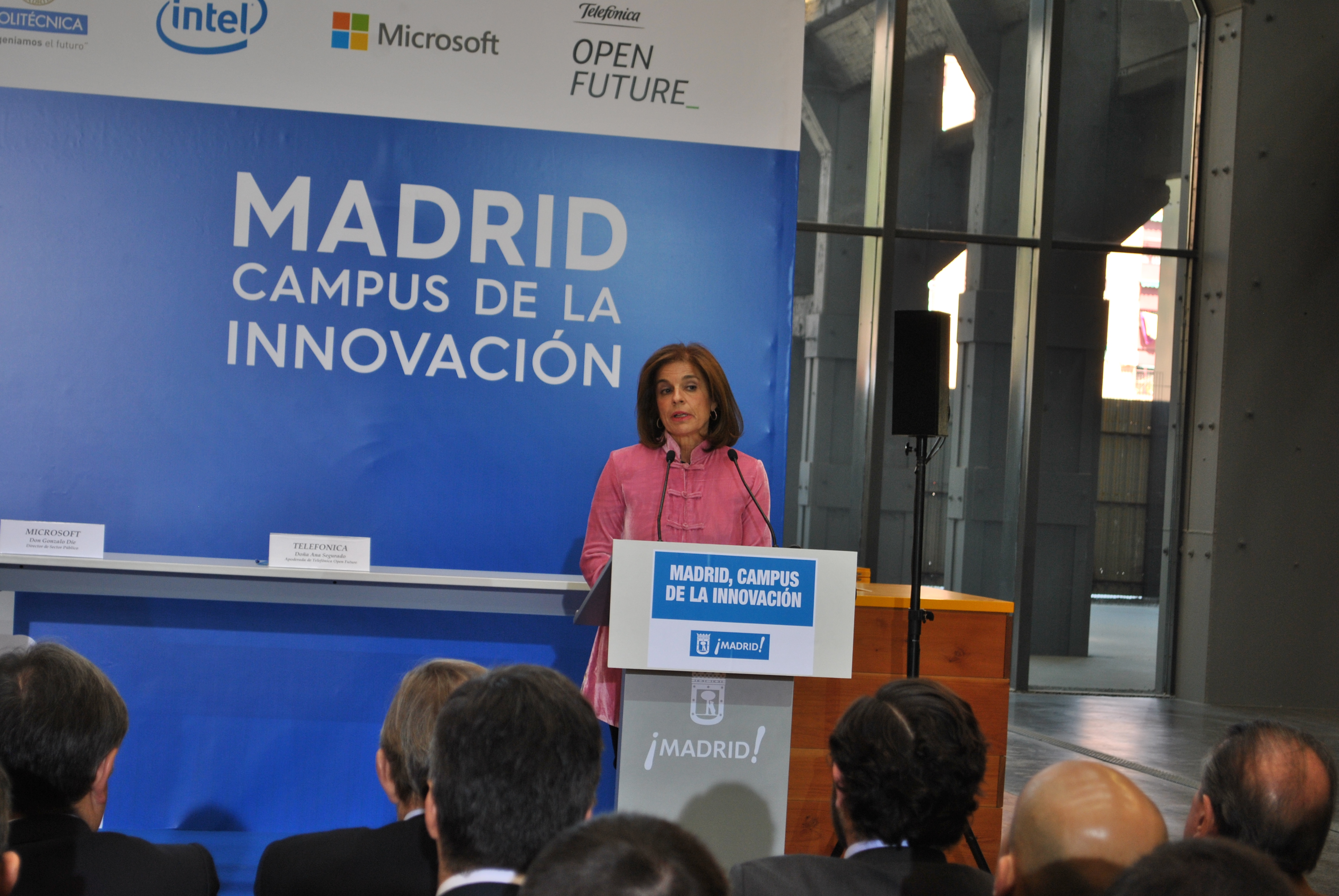
Durante su intervención, Botella ha subrayado que “Madrid es la región que más invierte y más personal dedica a la I+D de España. El esfuerzo inversor en 2013 fue de 3.434 million euros, lo que equivale al 26,4% del total nacional, empleando para ello a 47.609 personas, que suponen a su vez el 23,4% del total de España”.
 Según los datos aportados por la regidora, la inversión en la partida de I+D se sitúa en el 2,45% del PIB de Madrid, “lo que nos sitúa por encima de la media de la Unión Europea, que equivale al 2,07% de su PIB”, al tiempo que ha destacado la labor de todos los agentes implicados: “en nuestra ciudad se concentran las empresas responsables de un 56,7% de esa inversión; las administraciones, que contribuyen con el 25,1%; y las universidades, que aportan el 18,1%”.
Tanto Ana Botella, como el secretario de Estado de Telecomunicaciones y Sociedad de la Información, Victor Calvo-Sotelo, y el rector de la Universidad Politécnica de Madrid (UPM), Carlos Conde, han puesto especial énfasis en sus intervenciones en que “Madrid Campus de la Innovación es un proyecto abierto a todos. A los ciudadanos, que deben colaborar con sus aportaciones y sugerencias; a los estudiantes y a las universidades, que deben aportar sus capacidades, sus ideas y su espíritu transformador. A las pymes, que tendrán en el campus una plataforma ideal en la que exponer sus soluciones. A las grandes empresas, que aportarán medios técnicos y económicos suficientes para el avance de iniciativas y proyectos, su capacidad de formación y tutelaje”.
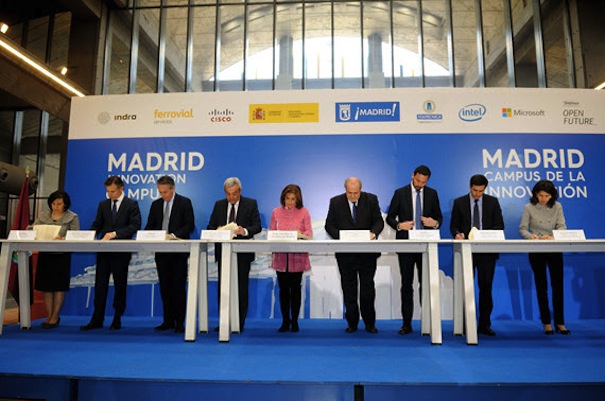
 La firma del protocolo de este proyecto se ha materializado con Ana Botella, junto con Carlos Conde; el director general de Cisco España, José Manuel Petisco; el consejero delegado de Ferrovial Servicios, Santiago Olivares; la directora general de Indra, Emma Fernández; el director general de Intel España, Portugal, Italia, Grecia e Israel, Norberto Mateos; el director de sector público de Microsoft Ibérica, Gonzalo Díe Socias, y la managing director de Telefónica Open Future, Ana Segurado.
12.000 metros cuadrados para emprender
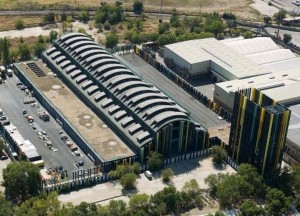
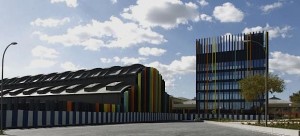
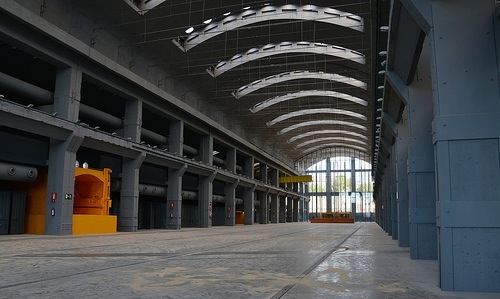 La antigua nave industrial de Boetticher, construida en 1944 por el ingeniero Eduardo Torroja, que acogerá Madrid Campus de la Innovación cuenta con más de 12.000 metros cuadrados de superficie que se estructuran en tres cuerpos, a modo de basílica y con grandes bóvedas de hormigón para dejar entrar la luz, por lo que es conocida popularmente como ‘la catedral industrial’ o ‘catedral Torroja’ y motivo por el cual en el proyecto iniciado por Ruíz Gallardón era la ‘Catedral de las nuevas tecnologías’.
El campus cuenta con cinco espacios diferenciados, a falta de dotación mobiliaria y tecnológica, para desarrollar las distintas actividades, como el pabellón o área principal (of 5.977 m2) formada por las tres naves en la que se desarrollarán exposiciones; la torre, un edificio de nueva construcción distribuidos en un vestíbulo y cinco plantas; las aulas, distribuidas en cinco salas de 200 a 40 m2 para formación; the auditorium, con capacidad para más de seiscientas personas, y los denominados contenedores, compuesto por veintiséis pequeñas oficinas modulares para emprendedores.
Did you like this article?
Subscribe to our NEWSLETTER and you won't miss anything.
Related articles
 IESE trusts Sony as a technological partner to digitize its campuses in Spain
 Crestron mostrará el futuro de la innovación laboral en Modern Work 2025
 Fersa is committed to innovation and AV technology for its new corporate building
 Lightware Celebrates Twenty-Five Years of AV Innovation with New Brand Identity
 Sony despliega innovación para colaborar y comunicarse mejor en el futuro entorno profesional
 PPDS bets on InfoComm 2022 as part of your growth strategy
 Vogel’s apuesta por la innovación en su vuelta a ISE
 d&b audiotechnik bets on Afial with audio innovation as the protagonist
 El campus universitario María Zambrano de Segovia apuesta por la tecnología de DAS Audio
 ISE Live & Online is organized around innovation and the future of the AV industry
 Sony explains how its technological innovation defines the future in business and education
 Ingram Micro faces the future with a new global brand identity
 Cisco distingue a Tech Data como ‘Distribuidor mundial del año’ por su innovación y rendimiento de negocio
 El Grupo BBVA apuesta por Lutron para su centro de formación del Campus La Moraleja