


El Museo de Arqueología de Cataluña recupera virtualmente en 3D la ciudad ibérica de Ullastret
Producido por la Agencia Catalana del Patrimonio Cultural y el Museo de Arqueología de Cataluña-Ullastret, el proyecto de recreación de esta ciudad ibérica cuenta con una sala de proyección inmersiva en la que los visitantes pueden recorrer en 3D este importante conjunto arqueológico del Mediterráneo Occidental.
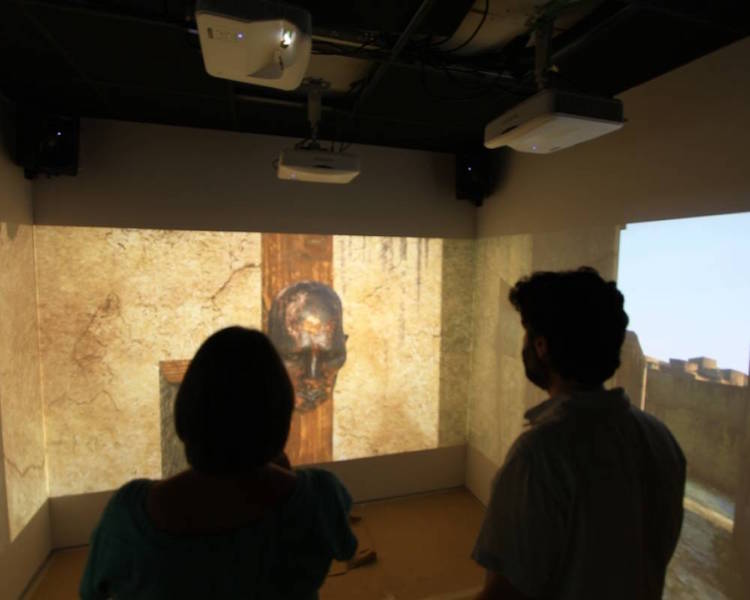
Desde finales del pasado mes de julio, la sede de Ullastret del Museo de Arqueología de Cataluña (Museu d’Arqueologia de Catalunya – MAC), ofrece a sus visitantes una experiencia cultural inmersiva para conocer en detalle la ciudad ibérica de Ullastret, uno de los conjuntos arqueológicos de la Edad de Hierro más destacados de la Península, gracias a un ambicioso proyecto de reconstrucción virtual 3D.
Para hacer la reconstrucción virtual de la ciudad ibérica se ha escogido una época concreta, he 250 aC, que es el periodo del que se tienen más datos y el que permitía realizar una reconstrucción más fiel por parte de un equipo multidisciplinar, que ha asesorado científicamente al estudio encargado de la modelización virtual, producido por la Agencia Catalana del Patrimonio Cultural y el MAC.

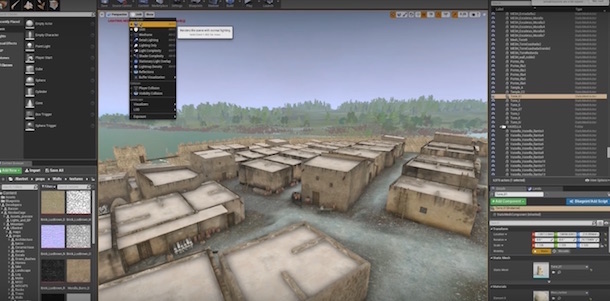
Para la recreación en 3D de esta ciudad ibérica de hace más de 2000 years, sus responsables han utilizando el motor de creación de videojuegos Unreal Engine 4, developed by Epic Games y disponible gratuitamente para su utilización también en educación, architecture, visualización de realidad virtual, cine y animación, que ofrece una alta calidad gráfica en la creación realista de entornos paisajísticos.
Los visitantes pueden visualizar este recorrido virtual, de unos seis minutos de duración y disponible en español, catalán, French, inglés y alemán, en la sala inmersiva creada a tal efecto y simulando el tamaño de una vivienda de esta ciudad ibérica, equipada con tres pantallas para ofrecer una superficie de reproducción de 13 metros cuadrados y dotada con proyectores Full HD y sonido envolvente, con grabaciones de sonido ambiente original del entorno natural y del yacimiento.
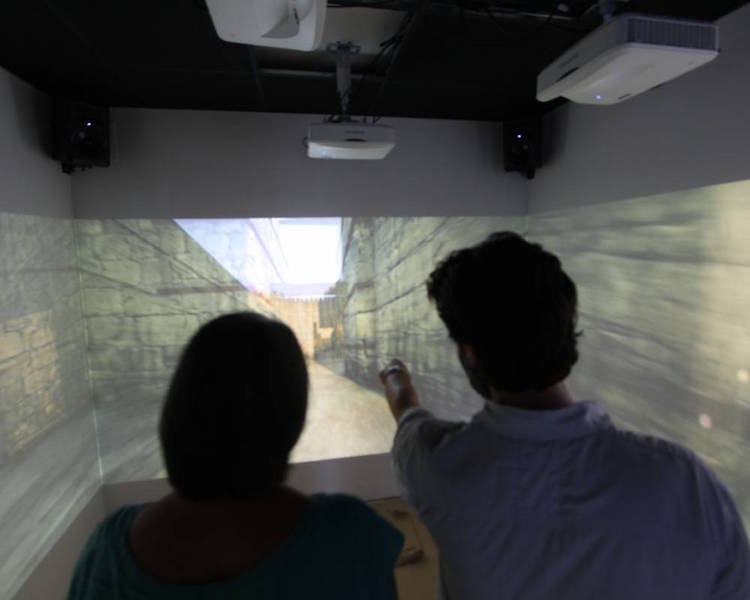
Precisamente una de la particularidades de este proyecto ha sido el uso del potente Unreal Engine 4 respecto a otras herramientas informáticas habituales utilizadas en la arquitectura o la arqueología, lo que además permite que la creación de experiencias inmersivas, por ejemplo con las gafas de realidad virtual Oculus Rift, Samsung Gear o HTC Vive, sea muy fácil, como aseguran sus creadores.
“Ya hay una primera experiencia disponible para las gafas HTC Vive que actualmente se muestra en congresos especializados del sector -señalan en la web del MAC-. Más adelante se desarrollarán otras aplicaciones, tanto de visita al yacimiento como recursos pedagógicos para las escuelas, siempre partiendo de la posibilidad que ofrece este modelo de caminar por las calles, entrar en las casas y descubrir las historias de la ciudad ibérica de forma directa y personal”.
Rigor científico en el modelado 3D
Para el desarrollo del vídeo, el equipo de modelado 3D ha trabajado estrechamente con el equipo de arqueólogos del MAC-Ullastret para traducir toda la información recogida en una reconstrucción volumétrica detallada. Calle por calle se fueron levantando las casas y encajándolas en el relevo; todas ellas parten de esquemas constructivos similares, pero cada una ha sido adaptada a su lugar y a la información de la se disponía.
El proyecto Ullastret 3D está marcado por el rigor científico en la parte arqueológica y por el máximo realismo en la presentación visual. Se han utilizado fotografías de materiales reales (tierras, muros, piedras, walls, etc.) y una iluminación de ambiente en el exterior para recrear una textura totalmente verosímil, en la que la niebla, las sombras o las nubes dan realismo a la imagen.
Tanto las calles como los interiores se han enriquecido con objetos procedentes del fondo arqueológico expuesto en el museo monográfico del yacimiento, como ánforas, escudos o espadas. Otros objetos como los carros o las barcas se han modelado a partir de ejemplos conocidos.
[youtube]https://youtu.be/b6AtV1JXEIc[/youtube]
Did you like this article?
Subscribe to our NEWSLETTER and you won't miss anything.
Related articles
 Microsoft recupera con IA la antigua Olimpia en 3D y realidad aumentada
 D=Sign virtually brought together the AV market to explore the digital signage ecosystem
 Experimental and immersive archeology exhibition at the San Isidro Museum
 Ford allows a Mustang to be virtually assembled on the roof of the Empire State Building
 Nike Unlimited Stadium: a unique Led track to virtually race against yourself
 Hostelco 2016 se podrá visitar también virtualmente con el proyecto de Pangea Reality
 Brainstorm Multimedia revolucionará virtualmente IBC 2016 con sus innovaciones gráficas
 The Roman Theater of Guadix recovers its historical splendor with three tactile information tables
 Paco de Lucía virtually returns to Córdoba thanks to 3D videomapping to pay tribute to him
 The Sistine Chapel visually recovers Michelangelo's frescoes with LED lighting technology
 Sono contributes its audiovisual solutions to Vinseum, the Museum of Wine Cultures of Catalonia
 The facade of the Cathedral of Santiago “burn” virtually on the Apostle's feast days
 They develop a new 3D body scanner that allows you to try on clothes virtually
 Christie virtually builds Cluny Abbey in three dimensions