


Fraunhofer Institute listening room offers 3D sound with Neumann
El espacio donde se desarrolla la tecnología SpatialSound Wave se ha equipado con 30 monitores de estudio KH 310 A, reforzados con subwoofers KH 805, de Neumann.
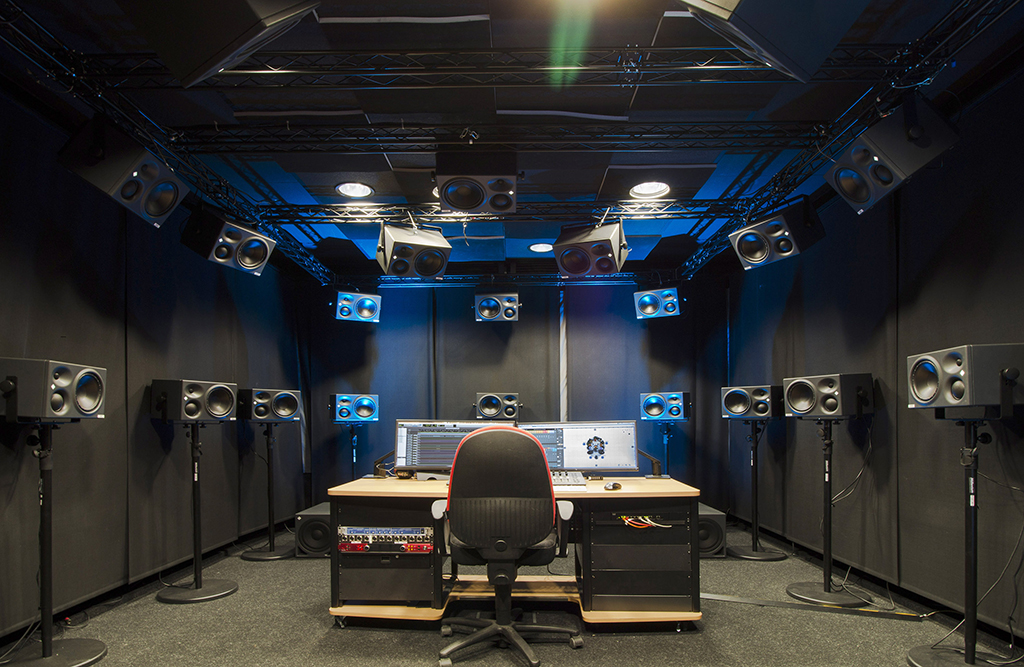
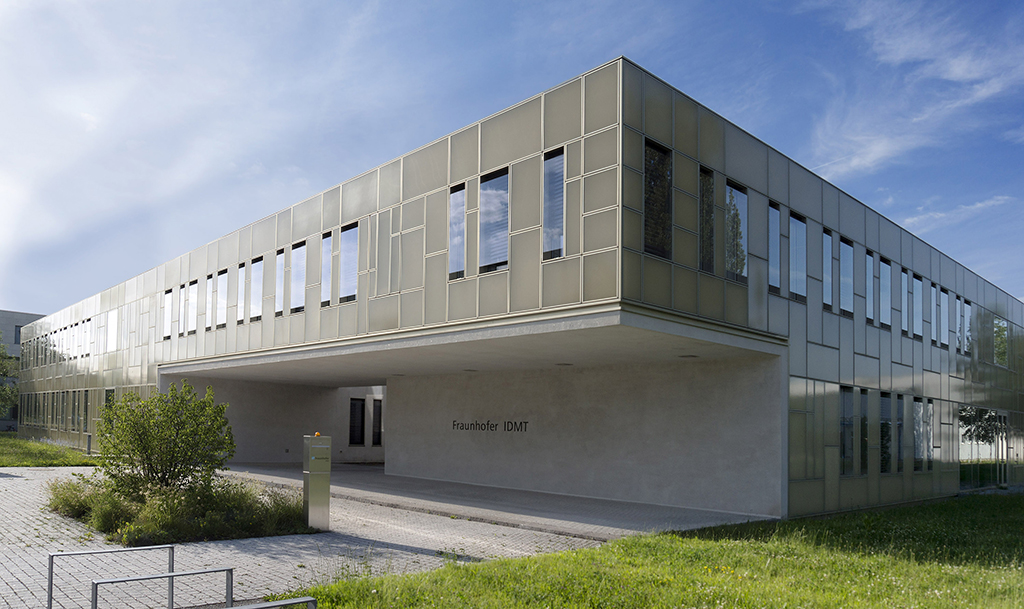
El Instituto Fraunhofer para tecnologías digitales multimedia (IDMT) de Ilmenau (Germany) ha habilitado una nueva sala de audición para su tecnología SpatialSound Wave. Esta instalación se ha equipado con 30 monitores de estudio KH 310 A, reforzados con los subwoofers KH 805, of Neumann, brand that distributes Magnetron.
La tecnología SpatialSound Wave, desarrollada en la sede de Ilmenau, ofrece una localización espectacularmente nítida en casi toda la sala. Como si se tratara de un entorno acústico real, si el oyente se acerca a las fuentes de sonido (virtual), los niveles cambian de forma natural.
Los principales campos de aplicación de SpatialSound Wave son los teatros, las instalaciones y los planetarios. Su lista de usuarios incluye el Teatro de la Ópera de Zurich, la Ópera de Berlín y el Planetario Zeiss en Jena.
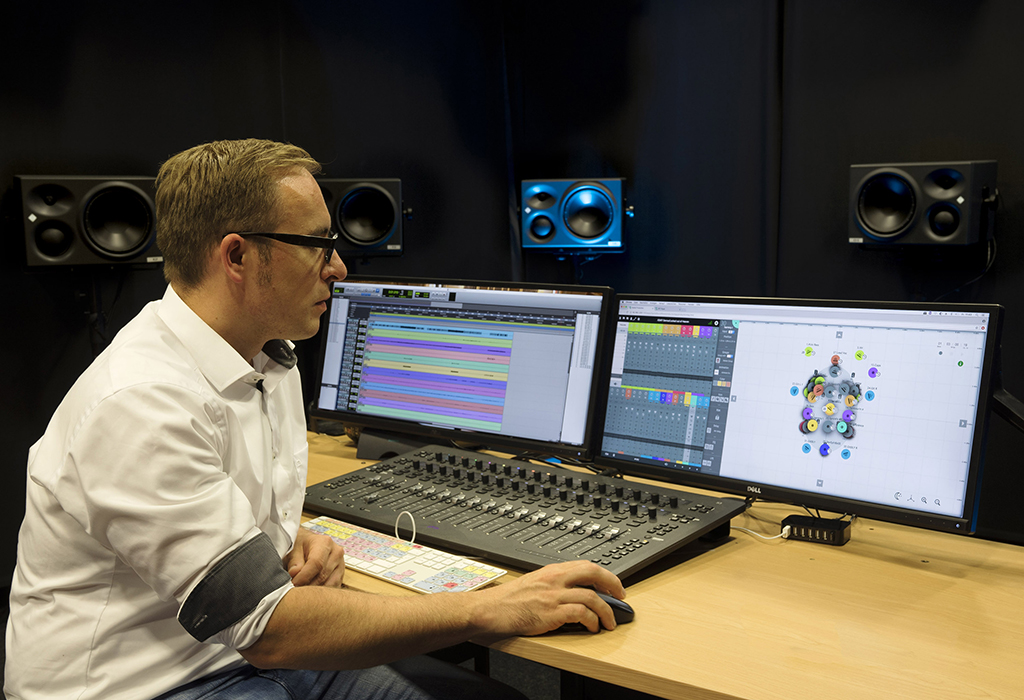
“La inteligencia está en el algoritmo que controla los altavoces. At first, la tecnología SpatialSound Wave se basaba en la síntesis de campos de ondas (WFS) para controlar los altavoces de modo que, con la superposición de todas las señales, se reconstruya el campo sonoro. However, estos últimos años hemos incluido varios principios de la psicoacústica. Se modificó el algoritmo de modo que la reproducción del campo sonoro ya no es físicamente correcta, pero ahora los altavoces se pueden separar más”, explica Daniel Beer, doctor en ingeniería y responsable de electroacústica.
Con el fin de encontrar los altavoces óptimos para la nueva sala de audición, se compararon altavoces de monitorización de varios fabricantes en una laboriosa configuración de prueba.
“Utilizamos métodos clásicos de prueba de escucha. Todos los altavoces se calibraron para la sala y se ajustaron los niveles con gran precisión. Next, desarrollamos un procedimiento de prueba en el que 15 participantes analizaron varios parámetros, que luego evaluamos estadísticamente”, comenta Christoph Sladeczek, responsable de acústica virtual.
Para Daniel Beer, la uniformidad de respuesta del altavoz juega un papel decisivo en todo el proyecto. “Antes de instalar los altavoces, medimos cada uno y pudimos confirmar que las diferencias en la respuesta en frecuencia eran inferiores a 1 dB”.
Did you like this article?
Subscribe to our NEWSLETTER and you won't miss anything.
Related articles
 Audient y Genelec impulsaron la audición inmersiva Nike Air Max Day
 Maga Engineering brings its sound systems to the Galileo Galilei Room
 L-Acoustics brings concert hall performance to Atlantis The Royal
 The Impala concert hall processes and manages its sound with NST Audio
 Martin Audio WPS brings sound power to Cardiff's Great Hall
 Powersoft sound complements the educational offer of the Goethe Institute
 StrandGut Resort offers a creative music production environment with Neumann
 The Ibizan nightclub Amnesia renews the sound of its main room with KV2
 Vogel's offers with Marmitek HDMI wireless connection in any room
 Neumann offers a new KH subwoofer 750 for AES67 networks
 The Razzmatazz Room in Barcelona improves its sound system with Avid S6L32D
 La Universidad de Surrey crea una sala de audición en formato 22.2
The Zaldivar Institute highlights how telediagnosis is one of the great applications offered by telemedicine
La Universidad de Surrey crea una sala de audición en formato 22.2
The Zaldivar Institute highlights how telediagnosis is one of the great applications offered by telemedicine
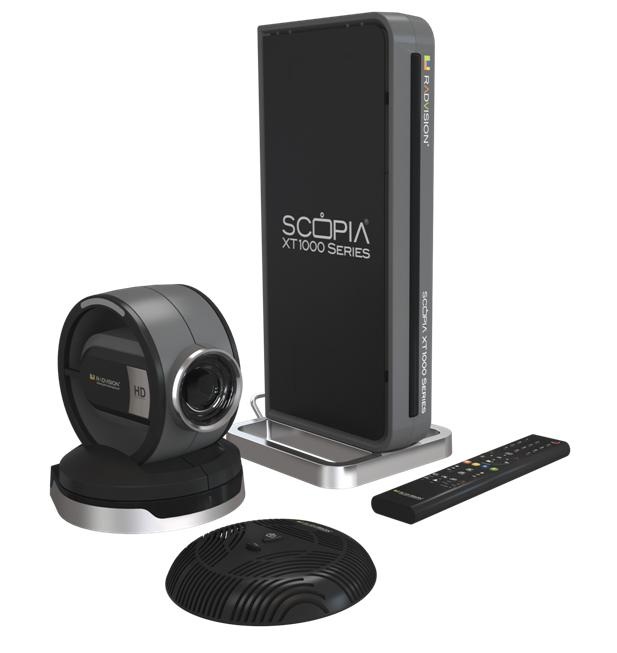 Radvision ofrece ahor videoconferencia HD para sala