


The return to the music of the 90 featured lighting by Robe
For the 'Love the 90s' concerts, that took place in Madrid, Seville and Valencia, were used 150 Pointe robotics, MegaPointe, LedBeam 150 y LedWash 800, with three RoboSpot systems that worked with BMFL Spot luminaires.
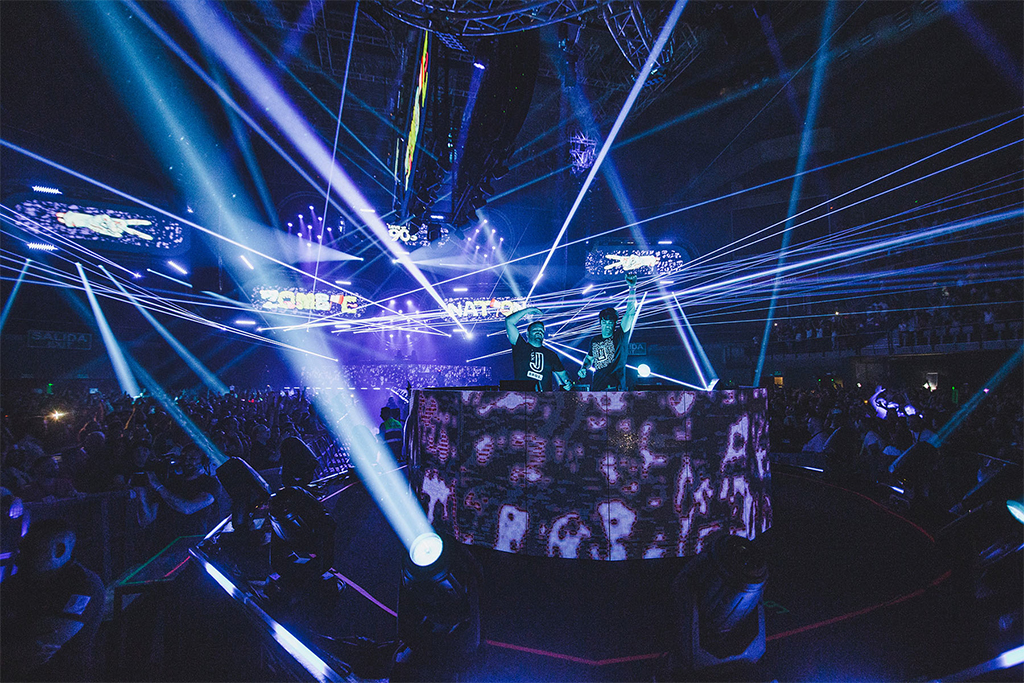
The biggest festival of 90 with the best of dance, pop/rock and summer hits, Love the 90s, has been held in Madrid, Seville and Valencia.
Eduardo Valverde, of Pixelmap Studios, has been responsible for these shows, As creative director he had to design the architecture of the stage, including Led screens and lighting. For the design of the latter, the technology of Robe.
They were used 150 Robotic Robe, among which were Pointe luminaires, MegaPointe, LedBeam 150 y LedWash 800, with three RoboSpot systems that worked with BMFL Spot luminaires. Everything was provided by the rental company Audiovisual Fluge, who in turn received the equipment EES.
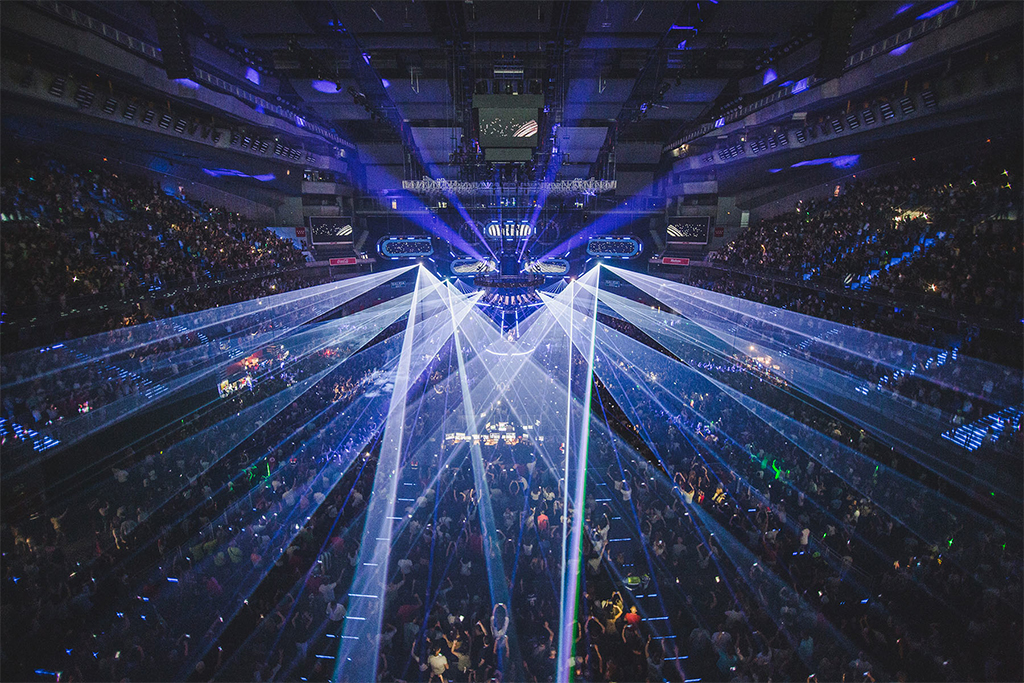
Given the variety of locations, rig design was slightly different at all shows, but the Robes were at the heart of the design of each of the concerts. The stage took on a new dimension with the experience of almost 360 degrees in a space of 45 meters wide and a walkway that divided the audience in the first rows in two, with a second circular stage at the top.
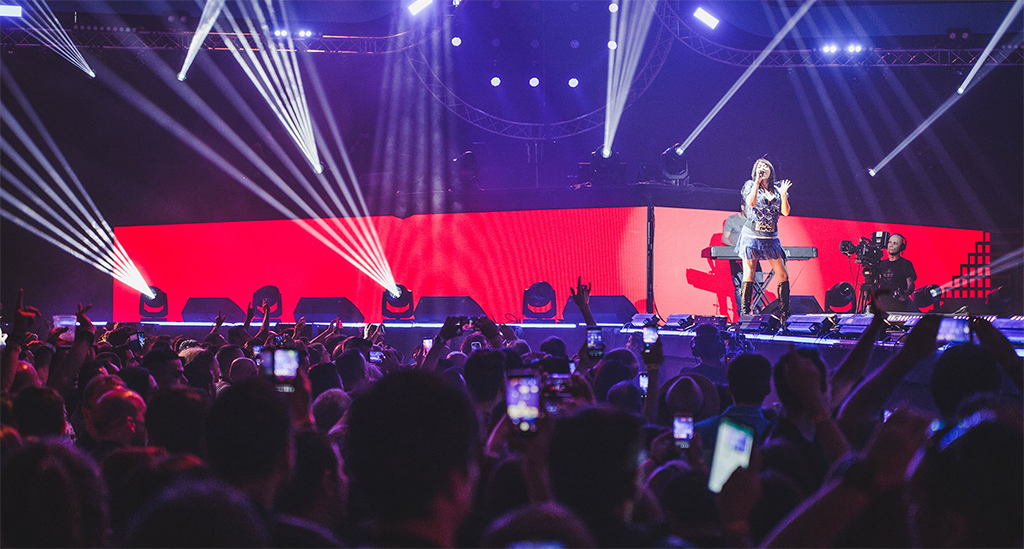
Above the latter a huge 'mirror ball'’ nine meters in diameter, curved rigging compound, lights and a large Led ring. For some parts of the show, The DJ booth was located on the circular stage which put the artists in the middle of the fans and provided even more energy to the show and increased the excitement..
This concept of 360 degrees, in which production involved 270 stage degrees, leaving only a small space behind the scenes and for the technical team, was the starting point for lighting because it meant there were multiple perspective angles and for cameras that had to be covered with lights.
There was also a large amount of LED screen 'flying' around the stage -380 square meters in total- including several distinctive lozenge-shaped display pieces, and there were also some circular lighting trusses that further defined the architecture and maintained the 'curvature'.’ of production aesthetics.
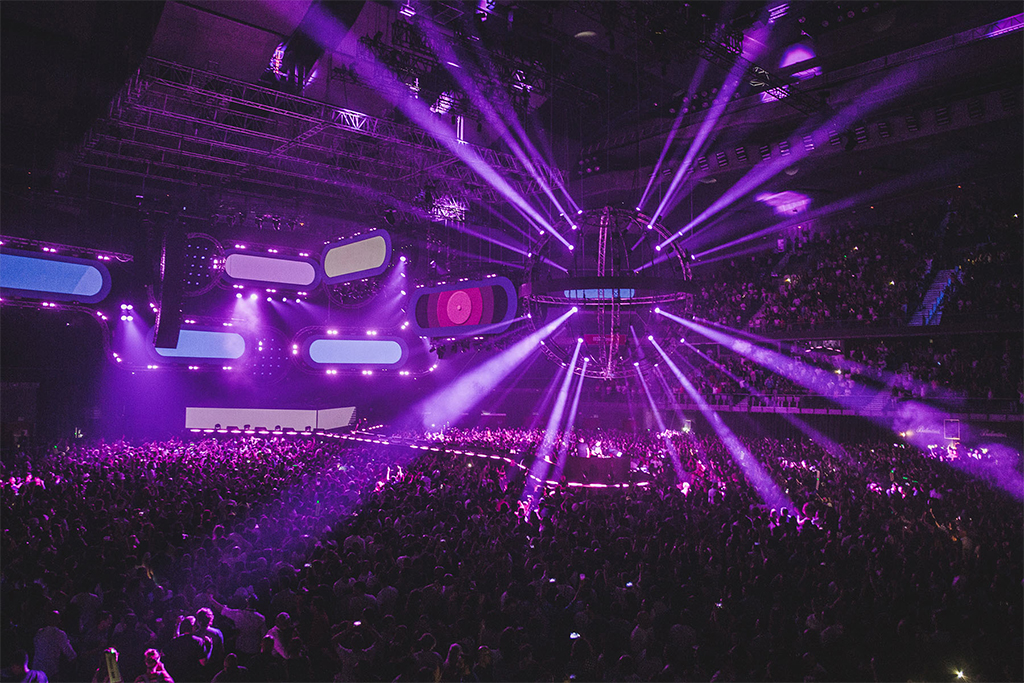
In Madrid, The show was put on at the WiZink center with capacity for 17.000 personas, a site with significant load capacity on the roof, which facilitated the most ambitious productions.
For those of Valencia and Seville, a support was installed that measured 20 meters high and all the main production and architectural elements - including the mirror ball- they hung from there.
The lighting was divided into three zones. The first was above the main stage and included a large grille on the ceiling, with circular trusses hanging below and providing additional lighting positions. This area also included the diamond-shaped video screens.
The second area covered the walkway. Trusses were placed on top to provide lighting positions and cover the public passage on both sides. The third lighting area was around the DJ booth on the second stage and the trussing ball that simulated the legendary mirror ball of the discos of the 1990s. 90. This included 48 Robe LedBeam 150 to create dynamic beam effects.
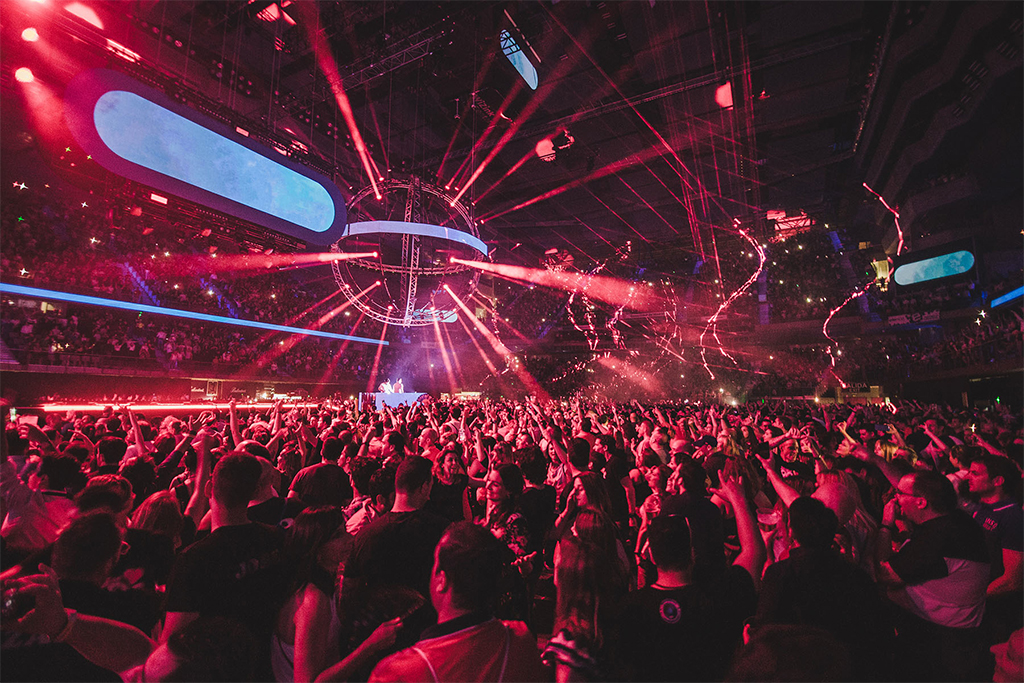
Robe technology was chosen because these luminaires offered all the brightness and features necessary to work with the large number of LEDs in the space and help create the look and scenarios I wanted to achieve..
The lighting also had to be fluid and flexible for each area., so I needed fixtures with a good variety of functions, and the five types of Robe robotics used provided an ideal base for the show.
On the main stage I needed a 'backlight’ to create spectacular beam effects that marked their path through the displays' ambient light field. For this, the MegaPointe luminaires were chosen because of their intensity..
Para iluminar el área de todo el escenario y crear diferentes entornos se hizo uso de las LedWash 800. Pintaron de color la pista de baile y crearon efectos de haz secundarios.
En el piso, se colocaron Pointe y MegaPointe como luminarias compactas multi-funcionales con energía masiva.
Las cuatro BMFL Spot en el sistema RoboSpot estaban montadas en el truss frontal y operaban desde cuatro estaciones base ubicadas en las posiciones de los dimmer. Para la cabina del DJ y la bola de espejos, la opción fue unas LedBeam 150 para conseguir rayos que rebotaran de la bola.
Además de las luminarias Robe, en la estructura había aproximadamente 50 focos flood y 400 regletas Led.
El gran reto
Hacer funcionar y controlar más de 600 luminaries, de las cuales más de 400 eran robóticas o ‘inteligentes’ It was the great challenge of this project. Besides, the atmosphere was practically 360 degrees and from the operating position it was not possible to see what was happening on all sides. So the setup periods, programming and definition of the technical aspects were intense and complicated, and although the visualization was extensive and detailed, You couldn't know how everything would work together before testing it on site.
The general format of the concerts was that each artist participated with a maximum of four tracks., so a lot of quick changes were needed to keep up.
Did you like this article?
Subscribe to our NEWSLETTER and you won't miss anything.
Related articles
 Robe illuminates the new headquarters of the Ljubljana Music Academy
 Fluge supplies Robe Led lighting for the zarzuela 'Amores en Zarza'
 Transferable Engine: Robe's proposal to revolutionize spectacular lighting technology
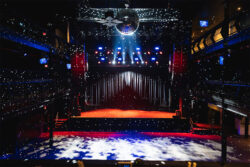 Robe lights up three of New York's most popular music venues
 The spectacular lighting of the Super Bowl 2020 It featured the Ayrton and Claypaky teams
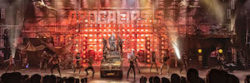 Robe's Led lighting enhances the latest Circus of Horrors show
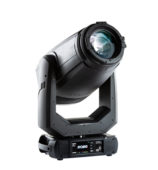 Robe T1 Profile: the definitive lighting for theater and television
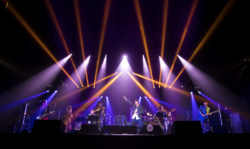 EES and Fluge supply Robe-based lighting system for Manolo García tour
 Mad Cool Festival Madrid had the AV and lighting production of PRG Spain
 The Association of Lighting Authors adds the manufacturer Robe as a sponsor
 Robe Lighting systems illuminate the stage of the largest music festival in Brazil
The opening ceremony of the Beira-Rio stadium in Brazil included more than 500 Robe lights
Robe equipment illuminates the Brazilian music festival Skol Sensation
Robe Lighting systems illuminate the stage of the largest music festival in Brazil
The opening ceremony of the Beira-Rio stadium in Brazil included more than 500 Robe lights
Robe equipment illuminates the Brazilian music festival Skol Sensation
 Güímar had special lighting with Philips LED technology at the III White Night