


El poder de transformación de las pantallas interactivas en la educación
La forma de enseñar y aprender en aulas, salas de formación, etc. ha cambiado significativamente, y más en los últimos meses, en los que las clases virtuales tienen que servir también para ayudar a levantar la moral, la participación y la atención, como explica Harold Niericker, jefe de gestión de productos de señalización en Philips Professional Display Solutions.
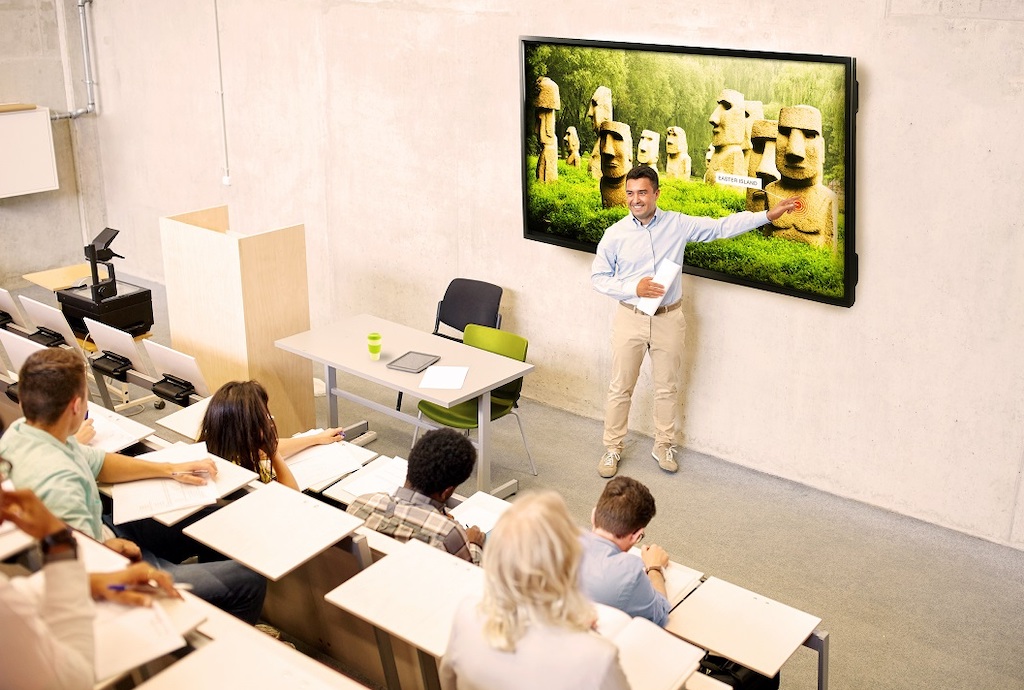
La tecnología educativa no es un concepto nuevo. Ya sea en una pequeña aula o en una gran sala de conferencias, el papel de la tecnología audiovisual desempeña un papel importante en la forma en que se enseñan las lecciones y en la en que aprenden los estudiantes.
En el actual mundo digital del siglo XXI las oportunidades de la tecnología educativa para mejorar el aprendizaje nunca han sido tan grandes ni tan variadas. Los visitantes habituales de certámenes como WHEREAS o Bett Show han podido ver, conocer y apreciar la continua evolución del mercado, con cientos, si no miles, de empresas que prometen la próxima evolución de productos ‘revolucionarios’ e ‘innovadores’.
Con un gasto global que se espera que supere los 314.000 millones de dólares en el año 2025 (lo que supone un aumento del 11% anual), y teniendo en cuenta estos tiempos inciertos, es imperativo encontrar la solución correcta y obtener el máximo rendimiento de la inversión.
However, la belleza, y quizás la maldición, de la tecnología educativa está en su variedad. La clave está en ofrecer una solución que lleve las aulas y los entornos educativos sin problemas desde el statu quo hacia el futuro, con un software que sea intuitivo para que los educadores y los estudiantes lo utilicen sin ningún tipo de traba o problema.
El consenso entre los profesionales de EdTech es que la educación será la punta de lanza del “rebote” de la actual crisis pandémica. Con los presupuestos acordados, habrá una oleada de finalización de proyectos a medida que los integradores (así como los profesores y los estudiantes) vuelvan a sus aulas y campus.
Mantener el compromiso
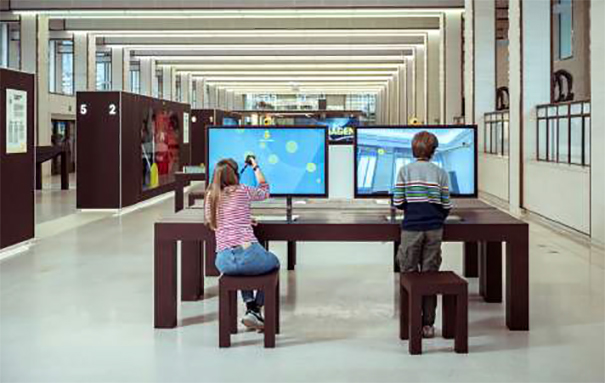 Es importante recordar que el papel de la tecnología es resolver los problemas existentes en el aula, beneficiando tanto a los estudiantes como a los profesores en este proceso.
Philips Professional Display Solutions (PDS) ha realizado una amplia investigación en este entorno para identificar y comprender lo que los estudiantes y los tutores quieren y necesitan, consultando a los principales educadores de todo el mundo, en un intento de encontrar una solución que beneficie a todos.
Empezando desde cero, el elemento más importante es mantener la atención y el compromiso en todo momento. De acuerdo con algunos psicólogos, el tiempo de atención de un estudiante promedio es de entre 10 y 15 minutos.
Con clases y conferencias que duran típicamente entre una hora y noventa minutos, el problema es evidente. Por cierto, las cifras de atención de los adultos, de los profesionales, en una reunión de negocios son casi idénticas (pero eso es para otro análisis). ¿A qué se debe esto?
Distracciones continuas
 En el mundo digital moderno de hoy en día, las distracciones vienen de todos los ángulos, particularmente en nuestras vidas personales. Investigaciones recientes muestran que el 30% de las personas encuestadas en Reino Unido tiene ahora cinco o más dispositivos conectados, incluyendo ordenadores portátiles, teléfonos y televisores inteligentes, tabletas y, cada vez más, relojes inteligentes.
Con un creciente deseo de acceder a información en vivo y en directo, a contenidos lineales o no lineales y a la oportunidad de comentar a través de los medios sociales (se envían 350.000 tuits cada minuto), nuestros cerebros se están volviendo súper estimulados y demasiado activos, lo que hace difícil, casi antinatural, concentrarse en algo singular.
Pasar de este estado de múltiples enfoques a una mentalidad más apropiada para un aula, que tradicionalmente exige silencios inactivos y tomar notas con la cabeza gacha, puede ser difícil en los tiempos que corren.
Evolución de la participación
Por tanto, la tarea de mantener a la nueva y próxima generación comprometida dentro de un entorno educativo tradicional es, y seguirá siendo, cada vez más tensa.
El desarrollo de personajes, el aprendizaje colaborativo y el pensamiento creativo son los ingredientes esenciales de las soluciones que integra la pantalla profesional de Philips PDS para su uso en cualquier entorno educativo.
Los estudiantes deben sentirse capacitados e involucrados, por lo que la colaboración entre tutores y estudiantes debe ser fluida, fomentada y exigida.
Estadísticamente, he 65% de la población tiene memoria visual, lo que indica la necesidad de realizar más presentaciones visuales. El equipo de Philips PDS considera que las pantallas interactivas son la clave para ofrecer la solución más sencilla, eficaz e integradora, ya que ofrecen a las personas la oportunidad de absorber información en múltiples formatos, como audio, imágenes y vídeo, y garantizan que las clases sigan siendo un hervidero de actividad creativa.
Estos hallazgos ayudaron a los equipos de producto de la compañía a crear su última gama de pantallas educativas interactivas (T-Line), salvando así la distancia entre nuestra vida personal y la laboral (académica). Los profesores suelen señalar que el aumento de la atención y el compromiso son los principales beneficios de la enseñanza con sistemas visuales interactivos.
Pantalla compartida
Las pantallas ya no tienen que ser el centro del aula o de la sala. Para los estudiantes que están en primera fila es bueno, pero para los de atrás o para los que no tienen una visión perfecta, una sola pantalla puede ser problemática, por lo que compartirla, como sucede en casa, resuelve el problema.
Gracias a ello, los estudiantes pueden conectar de forma inalámbrica su propio dispositivo (tableta, mobile, portátil) directamente a la pantalla, asegurando una vista perfecta en primera fila o donde quiera que estén sentados.
La toma de notas conlleva una serie de problemas, ya que los estudiantes corren el riesgo de perder partes vitales de la información que se les difunde, while, at the same time, se alejan del debate.
El flujo de una lección también puede verse perjudicado, con los tutores obligados a hacer una pausa mientras los estudiantes ‘se ponen al día’. Es ampliamente reconocido que sólo el 20% de la información se retiene después de la memorización inicial. Sin revisión, he 47% de la información aprendida se pierde después de sólo veinte minutos. Después de un día, se sitúa en el 62%.
Con una pantalla interactiva, los profesores pueden llevar a los estudiantes a profundizar en la materia en tiempo real para que puedan discutir y participar activamente, en lugar de tomar notas, con el beneficio añadido de que se mantienen comprometidos durante todo el tiempo.
Plataformas de videoconferencia
Además de una amplia variedad, las plataformas de videoconferencia abren nuevas oportunidades para que los estudiantes interactúen con personas fuera del aula, como oradores invitados. In the same way, aquellos que no pueden estar en clase pueden unirse a distancia y participar como si estuvieran en la sala.
Los miembros del equipo y los estudiantes pueden proporcionar información inmediata (de forma anónima y sin levantar la mano) a través de controles interactivos que utilizan para hacer y responder preguntas sobre el material presentado. Esto permite al instructor identificar rápidamente las áreas de confusión y adaptar los materiales en tiempo real.
Introducir la nueva tecnología
La introducción de nueva tecnología en el aula suele provocar incertidumbre en el profesorado y en cada nivel educativo, por lo que es vital proporcionar una solución que funcione en un sistema operativo de uso común para facilitar su uso intuitivo, además de integrarse fácilmente en la infraestructura de software educativo existente.
La nueva gama T-Line está diseñada para todos los niveles de educación, desde los primeros años para los niños pequeños, Primaria, Secundaria, Bachiller, hasta escuelas superiores, academias, universidades y estudios a distancia.
Al funcionar en Android, el sistema operativo más utilizado del mundo, se anula el factor miedo, animando a los estudiantes a participar y eliminando cualquier retraso durante la configuración. Como dijo Malcom X, “la educación es el pasaporte al futuro, porque el mañana pertenece a aquellos que se preparan para él hoy”.
Did you like this article?
Subscribe to our NEWSLETTER and you won't miss anything.
Related articles
 iiyama TE15A: pantallas interactivas para educación y colaboración
 Smart amplía su gama de pantallas interactivas para educación y empresa
 PPDS presents at Bett 2024 the new Philips Collaboration interactive displays
 Promethean amplía su línea de pantallas interactivas con ActivPanel LX
 Sharp PN-L2B: pantallas interactivas 4K para entornos exigentes
 Optoma ayuda en la transformación digital de las aulas con sus pantallas IFPD
 Philips PDS comercializa en Europa las pantallas interactivas T-Line
 Los monitores Philips B-Line se amplían con pantallas táctiles interactivas
 Maverick AV Solutions comercializa las pantallas interactivas de colaboración NEC CB
 Optoma muestra las ventajas de sus pantallas planas interactivas en SIMO Educación 2019
 Earpro tiene disponibles las nuevas pantallas interactivas de Ricoh para empresa y educación
 Microsoft explica en SIMO Educación 2016 la transformación digital de los centros educativos
 Mimio completes its line of interactive touch screens for education with a 75” 4K model
 GroupVision acude a SIMO Educación con una PDI de marca propia, Workscreen, idónea para aulas interactivas