


Holoplot brings creative digital art space Lightroom to life
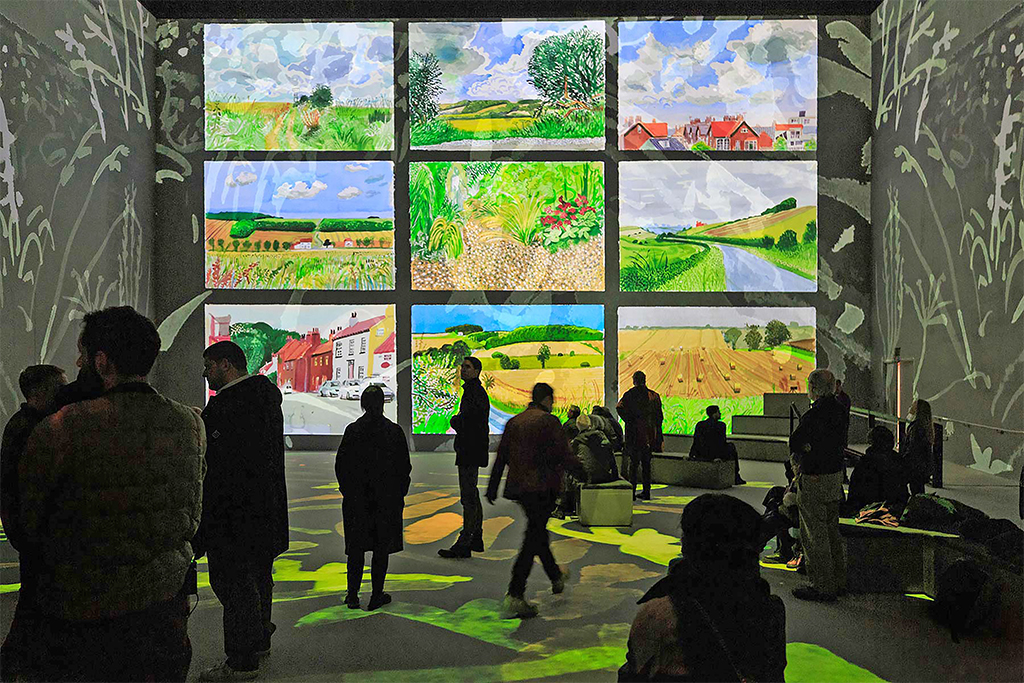
El diseño del sistema consta de dos matrices Holoplot X1 en cada extremo de la sala. Cada una de ellas integra cuatro X1 Modul 96 y cuatro X1 Modul 80-S, ocultos en cavidades de pared predefinidas, cada uno a una altura diferente.
Lightroom es un lienzo en blanco preparado para albergar un variado programa de contenido creativo. Un discreto espacio en forma de cubo, de cuatro pisos de altura, localizado en en Kings Cross y equipado con la última tecnología de audio y proyección digital, incluidas las soluciones de Holoplot.
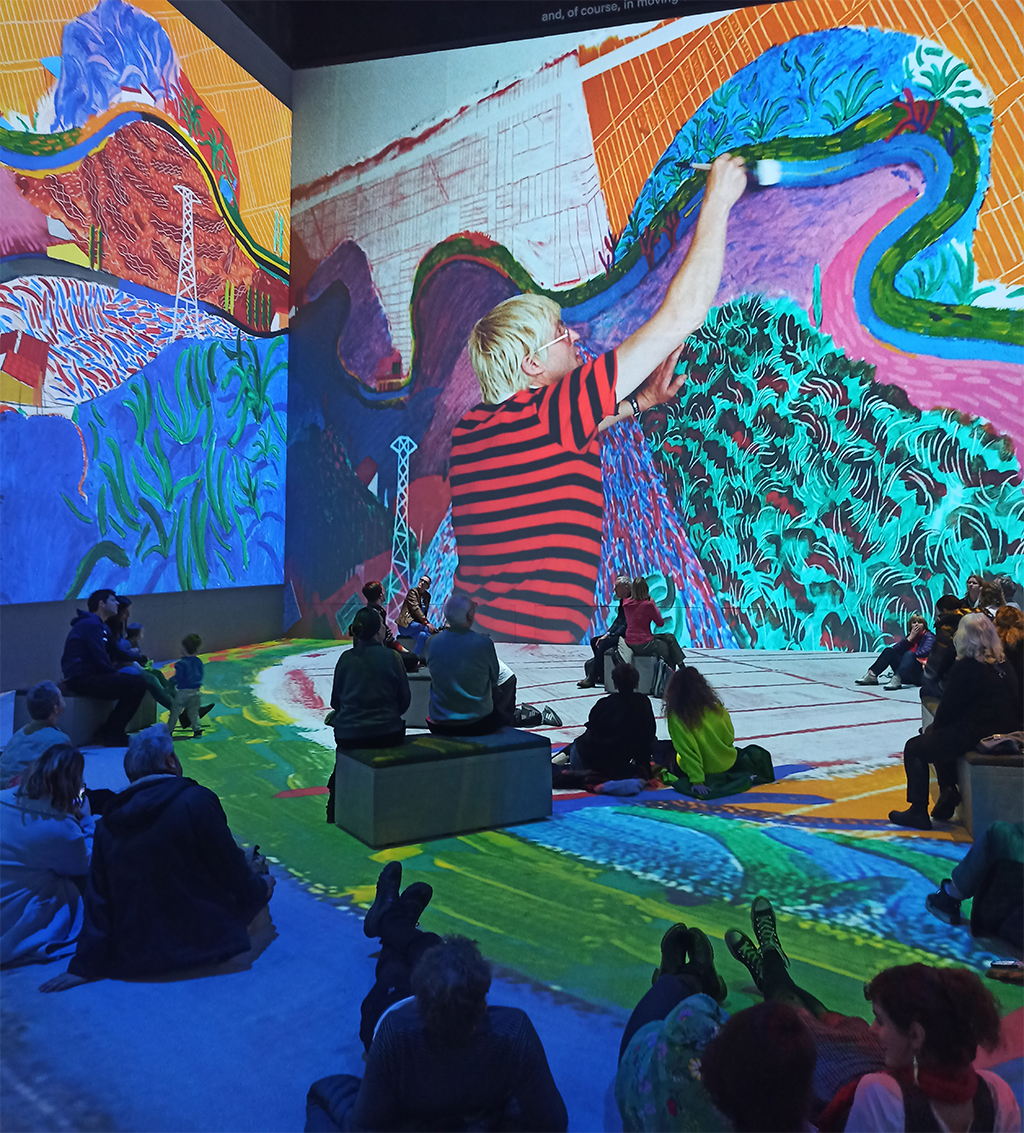
La exposición inaugural “David Hockney: Bigger & Closer (no más pequeños y lejanos)” es la primera de una serie. creadas en colaboración con destacados artistas e innovadores. El espectáculo cuenta con una partitura obra del compositor contemporáneo estadounidense Nico Muhly y el diseño de sonido de Gareth Fry, ganador de los premios Olivier y Tony. El sistema de sonido de Lightroom ha sido suministrado por el X1 Matrix Array de la empresa berlinesa de sonido profesional Holoplot e instalado por el integrador Creative Technology.
Tras cuatro años y medio de preparación, Lightroom fue concebida por el estudio de diseño y productora 59 Productions y London Theatre, motor creativo del Bridge Theatre. Un espacio que se ha creado para ser el nuevo hogar de Londres para espectáculos dirigidos por artistas.
La exposición Bigger & Closer permite al público adentrarse en el proceso de pensamiento y la motivación creativa de Hockney, generando nuevas perspectivas sobre algunas de sus obras más conocidas y otras más recientes.
“Hemos producido muchos espectáculos de videomapping a gran escala, exposiciones y obras de teatro, pero nunca habíamos tenido nuestro propio espacio”, explains Richard Slaney, director general de Lightroom y antiguo CEO de 59 Productions. “Ante la proliferación de espectáculos inmersivos, queríamos hacer algo diferente. Hockney encabezaba nuestra lista de artistas. La idea de trabajar con él fue nuestra, pero la exposición en sí es una creación suya. Es difícil de imaginar desde fuera, pero el sótano tiene 14 meters deep, lo que nos permite hacer proyecciones de hasta 11 meters high”.
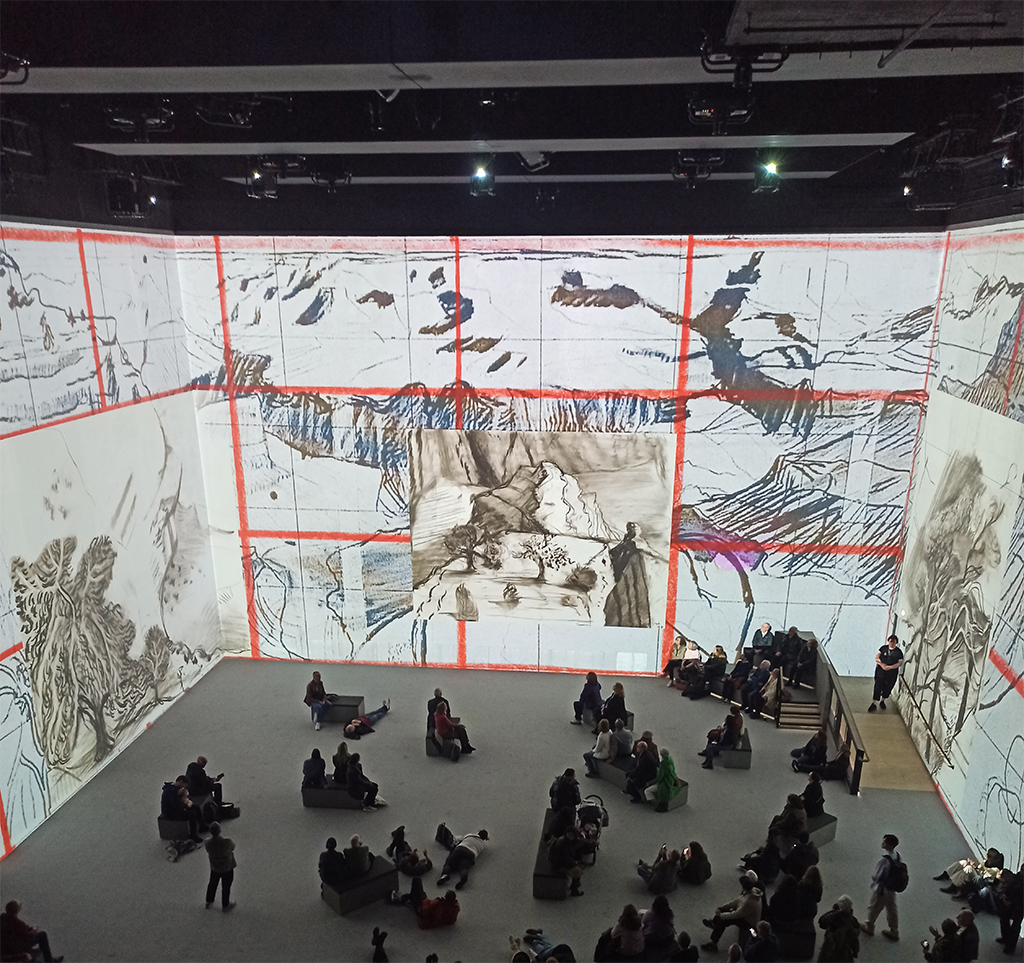
Se buscaba una solución de audio adecuada, que pudiera convertir la ambiciosa estructura de hormigón de Lightroom en un espacio de galería con un sonido suave, sin comprometer los efectos visuales de 360 degrees. Se dieron cuenta que las soluciones convencionales de altavoces necesitarían múltiples cavidades en las paredes o posiciones de montaje en las cuatro paredes para conseguir los efectos de inmersión deseados.
“El encargo inicial era pensar en un sistema de sonido para Lightroom que ofreciera una buena cobertura sonora y que, besides, no molestara a los vecinos de la oficina situada encima del espacio principal”, explica Fry. “Tenía que ser invisible para que las cuatro paredes de hormigón altamente reflectante pudieran ser una superficie de proyección sin obstáculos desde el suelo hasta el techo. Fue un reto inmenso porque, tal y como está construido, el espacio tiene un tiempo de reverberación de más de seis segundos y hay un ruido de fondo muy audible de los ventiladores de los proyectores. Todo esto es el enemigo natural del sonido inteligible”.
El diseño inicial de Fry era un sistema de sonido tradicional basado en fuentes puntuales, con altavoces ocultos en varios huecos del espacio.
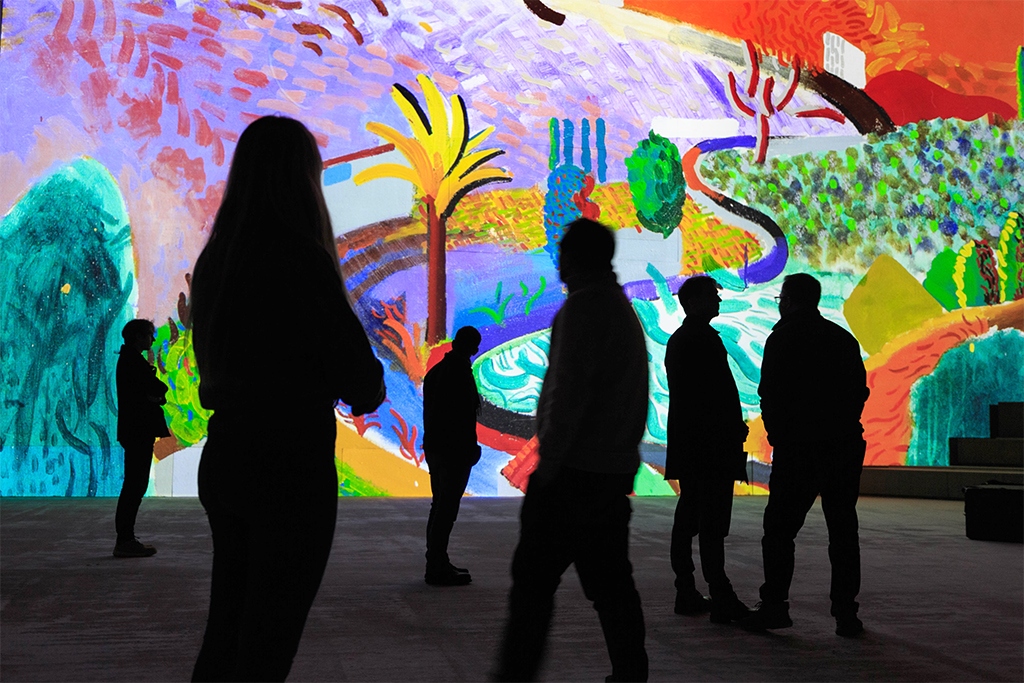
Sugirió Holoplot y un diseño de sistema que sólo requería dos posiciones dentro de la sala, pero ofrecía más herramientas creativas que podían utilizarse para generar efectos inmersivos. El sistema no sólo proporcionó la respuesta para la exposición actual, sino que también allanó el camino para futuras exposiciones.
“Hay muchas cosas que Holoplot puede hacer que nunca he oído hacer a ningún otro sistema de altavoces. But, first of all, nos proporcionó un sistema capaz de ofrecer un sonido inteligible con una cobertura muy uniforme en un espacio muy reverberante “.
El diseño final del sistema consta de dos matrices Holoplot X1 en cada extremo de la sala. Cada matriz consta de cuatro X1 Modul 96 y cuatro X1 Modul 80-S, empotrados y totalmente ocultos en cavidades de pared predefinidas, cada uno a una altura diferente. El centro acústico del array Este está a 4,61 metros y el del array Oeste a 6,66 metros. Una solución de audio tradicional, con las fuentes enfrentadas, habría creado problemas de fase y desbordamiento entre las fuentes.
Gracias a los algoritmos de optimización exclusivos de Holoplot, es posible definir la zona de escucha, así como el nivel de presión sonora relativo de cada zona. Esto permite una cobertura uniforme de cada matriz, independientemente de la posición del oyente en el espacio. Besides, cada matriz está colocada estratégicamente detrás de un material acústicamente transparente de color a juego, que preserva la integridad de la superficie de proyección de 360 degrees.
Los efectos de inmersión utilizados en el diseño de sonido de Gareth Fry se crearon con las funciones de síntesis de campo de ondas (Wave Field Synthesis – WFS) de X1 para crear fuentes virtuales. Estas se colocaron a una distancia determinada de las paredes norte y sur, donde no era posible integrar matrices o fuentes puntuales.
Las posiciones de las fuentes virtuales se definen en Holoplot Plan, el software de diseño de sistemas de sonido que permite visualizar el impacto de las capacidades de X1 en cualquier espacio.
Las ondas ‘agrupadas’ se reflejan en la pared como si hubiera una fuente puntual colocada allí, lo que permite al oyente localizar el sonido desde una posición en la que no hay ninguna matriz. La clave de la experiencia Lightroom era que los visitantes pudieran localizar el sonido de estos reflejos en cualquier lugar del espacio principal. to get it, se distribuyeron múltiples reflexiones a lo largo de las paredes norte y sur del recinto.
“El mayor reto de la instalación fue colocar los altavoces en su sitio”, explica Jack Strong, responsable de desarrollo empresarial de Creative Technology. “Con unos carros especialmente diseñados para ayudar a maniobrar los armarios, un equipo experimentado y una buena planificación, todo fue como la seda”.
Ahora que el sistema está instalado, cualquier ajuste necesario para futuros proyectos se puede realizar a través del software de Holoplot, prescindiendo de la necesidad de una dirección mecánica o de añadir armarios adicionales.
“La noción de disponer de un array de altavoces libremente ajustable sin realizar ningún cambio físico en él supone en gran medida un cambio de paradigma”, afirma Fry. “Como ingenieros de sonido, estamos acostumbrados a tener micrófonos cuya directividad se puede ajustar de omnidireccional a supercardioide pulsando un interruptor. Con Holoplot, esto es esencialmente lo mismo, pero para un altavoz”.
“Lightroom es enorme, es una experiencia inmersiva, pero hecha de otra manera. Es más personal y evoca emociones. Tiene una historia y es secuencial, así que puedes entrar en cualquier momento”, concluye Slaney. “Creo que hemos subido el listón en términos de tecnología. Puede que no estemos cambiando la base de las exposiciones de arte, pero sin duda estamos en un momento histórico dentro de esa gama de experiencias diferentes. Holoplotha sido la clave para que la exposición esté viva con el sonido”.
Did you like this article?
Subscribe to our NEWSLETTER and you won't miss anything.
Related articles
 Area15 uses Holoplot X1 to take visitors through time and space
 Flogistix conference space comes to life with a Daktronics Led video wall
 WindowSight brings digital art back to life at ISE 2024
 Elation KL CYC transforms any space into a creative and artistic canvas
 PPDS connects art and sustainable technology in the 'Muse Digital Art Prize'
 MMMAD will turn Madrid's urban space into a great window for digital art
 EM Acoustic equips new art space in Milton Keynes
 Sónar+D partners with 4YFN to create a space dedicated to the creative business ecosystem
 TeamLab Japanese art comes to life at Amox Rex museum with Epson projection
 Digital signage and art come together to create a unique visual and creative museum environment
 Barco projectors bring Paris digital art center L’Atelier des Lumières to life
 until, technology and artificial life in the interactive installation of Espacio Fundación Telefónica
 The XXII AEPE Outdoor Advertising Conference is committed to the digital and creative environment
 The empathic tree, a work of art with life where the technological merges with the natural