


Leyard aporta una solución Led personalizada a la Biblioteca Weston

El videowall, encastrado en un nicho de mármol y realizado a medida, se ha configurado con una solución Leyard IMF. En él se muestran contenidos de señalización digital, pero también se utiliza para presentaciones, eventos externos y para retransmitir contenidos.
The Biblioteca Bodleiana de Oxford ha elegido una solución Led personalizada de Leyard Europe como display central de la zona pública, la Logia, of the Biblioteca Weston, que alberga las colecciones especiales del servicio bibliotecario.
El videowall Led de la serie TVF de Leyard sustituye a un videowall LCD existente que se había instalado antes de la pandemia como parte de una importante reforma audiovisual del edificio. Fue diseñado por Hewshott AV Consultants e instalado por Reflex, which is part of Aura.
La decisión de elegir a Leyard Europe se tomó tras comparar cinco marcas de Led diferentes. Según el consultor audiovisual Daniel Brooks, el producto “era el que mejor satisfacía las necesidades del cliente, ya que ofrecía calidad y valor, y podía entregarse antes que otros gracias a la planta de fabricación europea de Leyard. Esto benefició los plazos del proyecto y redujo el impacto ambiental del transporte internacional”.
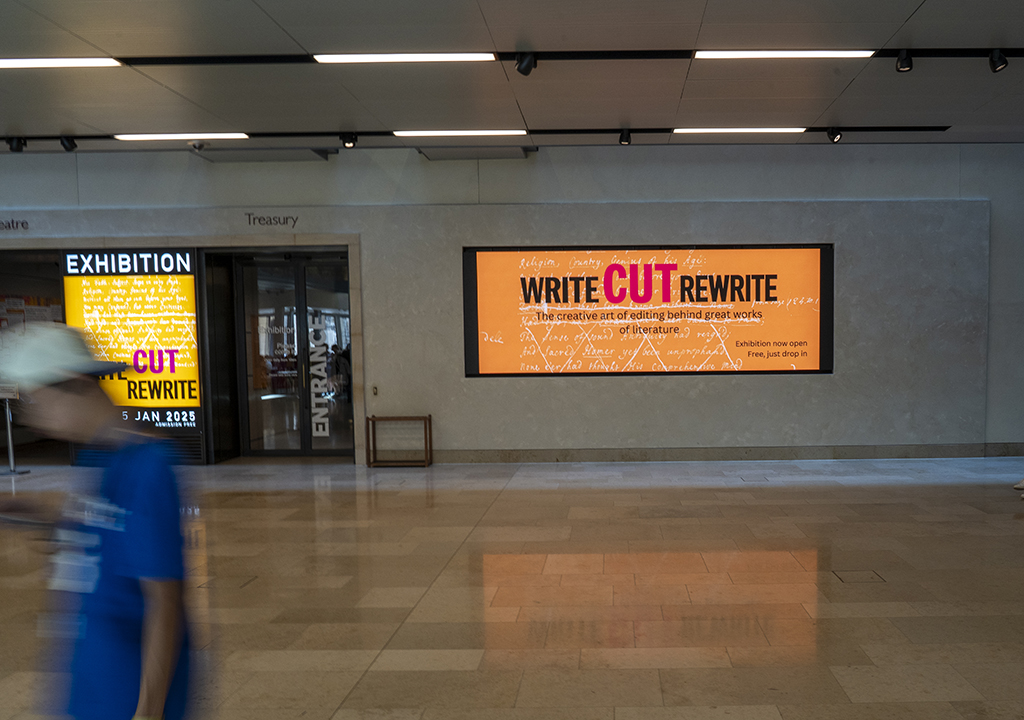
El consumo de energía y la emisión de calor también fueron factores importantes para las Bibliotecas Bodleian y la pantalla Led Leyard TVF cumplió los exigentes requisitos.
La pantalla Led se ha instalado en la zona pública principal de Weston, una de las 26 bibliotecas que integran la Biblioteca Bodleian, el mayor servicio de bibliotecas académicas del Reino Unido, que da apoyo a la Universidad de Oxford.
Throughout his 400 years of history, la Biblioteca Bodleiana ha reunido más de 13 millones de publicaciones impresas y 80.000 revistas electrónicas. Las extensas colecciones especiales incluyen 1,4 millones de libros raros, manuscritos, mapas y otros materiales impresos. Todos ellos conservados en la Biblioteca Weston.
La Biblioteca Weston, antigua New Bodleian, fue diseñada en la década de 1940 por el arquitecto Giles Gilbert Scott, autor también de la catedral de Liverpool, la central eléctrica de Battersea y la emblemática cabina telefónica roja, principalmente para almacenar libros. Tras una reforma de 80 millones de libras, llevada a cabo por los arquitectos Wilkinson Eyre, la biblioteca ha cambiado de nombre y se ha centrado en el almacenamiento y la conservación de vanguardia de las colecciones especializadas, así como en los métodos de trabajo y estudio del siglo XXI.
Entre sus tesoros se encuentran un ejemplar de la Carta Magna, un libro regalado por la joven Isabel I a su madre, Catalina Parr; una colección de cartas de Florence Nightingale y el manuscrito de Frankenstein de Mary Shelley.
El videowall Leyard sirve de presentación principal en la logia, un espacio amplio y luminoso abierto al público y conectado con una cafetería y una tienda. La biblioteca incluye salas de exposiciones, conferences, lectura, de seminarios y otros espacios de estudio.
El videowall, encastrado en un nicho de mármol, muestran contenidos de digital signage, pero también se utiliza para presentations, eventos externos y para retransmitir contenidos desde la sala de conferencias. Este era un requisito importante para la biblioteca, que acoge regularmente a conferenciantes de alto nivel.
La instalación no fue fácil, explica Brooks, sobre todo por el tamaño y la forma del nicho de mármol existente y la distancia entre la pantalla de vídeo y el rack audiovisual que transmite el vídeo.
Debido a las dimensiones del nicho de mármol, el equipo tenía que elegir entre una pantalla de vídeo de relación de aspecto estándar, que sería más pequeña que la superficie y tendría un aspecto extraño con grandes huecos a ambos lados, o una pantalla de vídeo Led personalizada, que cabría en el nicho, pero requeriría contenido personalizado o ‘ventanas’ en la pantalla de vídeo para acomodar el contenido de relación de aspecto estándar.
Finally, debido a su mejor estética, se eligió esta última opción y Leyard Europe suministró una pantalla a medida con un bisel ampliado para rellenar los huecos restantes. Un equipo interno adapta el contenido personalizado al tamaño específico del videowall.
Otro reto fue transferir el contenido. El bastidor que contiene el equipo audiovisual se encuentra en una sala de comunicaciones situada debajo de las filas de asientos del auditorio, por lo que el equipo tuvo que hacer frente a un difícil tendido de cables.
También había que resolver algunos problemas iniciales de red, que dificultaban la comunicación eficaz entre los equipos audiovisuales. El integrador elegido para este trabajo, Reflex Ltd, que forma parte de Aura, fue de gran ayuda para investigar y resolver estos problemas in situ.
“La instalación resultó mucho más sencilla gracias al rápido acceso a la asistencia remota de los ingenieros de Leyard”, afirma Brooks. “Trabajamos en estrecha colaboración con el equipo de la Bodleian para garantizar que el muro de carga se construyera correctamente y que el propio videowall contara con los requisitos de alimentación y ventilación adecuados”.
Brooks señala que el consumo de energía es cada vez más importante para los clientes, que se esfuerzan por ser más respetuosos con el medio ambiente. “Un videowall que se deja en modo de espera toda la noche seguirá consumiendo energía. T rabajar con Leyard Europe en este proyecto ha sido un gran éxito”.
Did you like this article?
Subscribe to our NEWSLETTER and you won't miss anything.
Related articles
 Martin Audio provides comprehensive sound solution to MTSU stadium
 Arec aporta su solución de seguimiento de ponentes al municipio de Gros-Morne
 Riedel aporta una solución integrada de intercom a GT Garage 59
 Vissonic aporta una solución multilingüe inteligente para conferencias
 Leyard VDS Complete: versátil solución de videowall Led todo en uno
 “TD Synnex Maverick is the only wholesaler that provides a solution 360 to the channel”, Carlos Bertrand
 Genelec brings its Smart IP sound solution to HimmerLand resort
 Leyard diseña una pantalla Led exterior para la biblioteca belga Permeke
 PPDS desarrolla un configurador corporativo para crear la perfecta solución AV personalizada
 AMX provides an all-in-one presentation solution with Enova DVX switchers
 Harman technology brings integrated AV solution to Wanda Vista Hefei hotel
 NanoLumens brings innovative visual solution to CenturyLink Technology Center of Excellence
 Barco provides a star projection solution to the Valladolid digital planetarium
 BT proporciona a Tommy Hilfiger una solución de telepresencia gestionada y personalizada