


Telefónica, Ericsson and Matsuko integrate holographic calls into smartphones
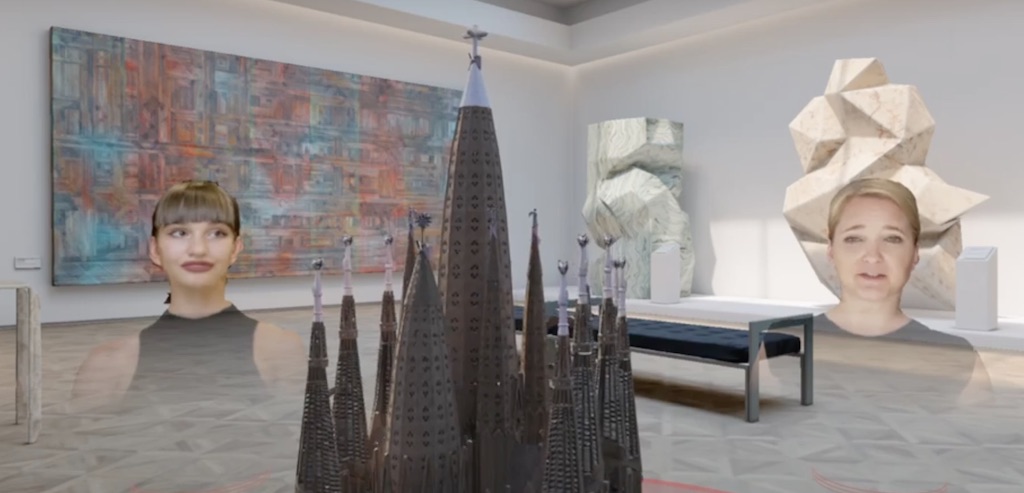
La introducción de llamadas holográficas de forma directa en móvil realizada por Telefónica, Ericsson y Matsuko permitirá a los usuarios utilizar la tecnología de comunicación IMS Data Channel de forma sencilla, sin necesidad de aplicaciones adicionales.
La compleja proof of concept (PoC) ejecutada en colaboración por Telefónica, Ericsson y Matsuko ha demostrado con éxito que es posible visualizar llamadas holográficas en el marcador de un teléfono inteligente, compatible con la tecnología IMS (IP Multimedia Subsystem) Data Channel, standards based.
Thanks to it, esta innovadora prueba ha logrado mostrar el potencial de IMS Data Channel para revolucionar los futuros servicios de voz 5G y 6G con aplicaciones innovadoras, incluida la comunicación holográfica.
El futuro de los servicios de voz
La tecnología IMS Data Channel mejora las redes de voz IMS existentes, de manera que los operadores móviles pueden ofrecer servicios evolucionados a millones de usuarios. For this, aprovecha los puntos fuertes inherentes a las redes telefónicas, como calidad del servicio, reliability, movilidad sin interrupciones y seguridad, al tiempo que introduce nuevas capacidades para una comunicación interactiva e inmersiva.
From 2021, Telefónica ha estado innovando en las posibilidades de la tecnología IMS Data Channel, ejecutando varias pruebas de concepto con socios como Ericsson y Matsuko, con el fin de demostrar su viabilidad y potencial de integración en servicios comerciales, especialmente en smartphones 5G.

Comunicación holográfica sin aplicaciones adicionales
La reciente prueba de concepto realizada por estas empresas se centra en el desarrollo y prueba de servicios de comunicación holográfica, as part of the proyecto europeo 6G-XR para convertirlo en una realidad.
El exitoso resultado de esta PoC ha demostrado que es posible realizar llamadas holográficas utilizando dispositivos de la serie Samsung Galaxy S compatibles con IMS Data Channel.
La cara y el torso de la persona que realiza la llamada es capturada y transmitida como holograma en tiempo real al receptor. En esta PoC, cada empresa participante desempeña un papel crucial:
Telefónica: coordinación de las actividades de la PoC, siendo el responsable último de la prestación del servicio.
Ericsson: proporciona la infraestructura y los servicios IMS para hacer realidad la comunicación holográfica.
Matsuko: proporciona la tecnología holográfica y las aplicaciones para la captura y visualización.
La prueba de concepto ha logrado varios hitos significativos. On the one hand, demuestra la transmisión de un holograma unidireccional (del emisor al usuario que visualiza), con two-way audio entre ambos, utilizando infraestructura IMS.
On the other, el servicio holográfico se integra perfectamente en el marcador nativo de los teléfonos inteligentes, sin necesidad de aplicaciones adicionales. Besides, el servicio holográfico avanzado de Matsuko procesa y reconstruye los datos del holograma en la nube garantizando un rendimiento de alta calidad.
Trabajando para definir los estándares
La PoC también se enfrentó a una serie de retos. Las especificaciones actuales de 3GPP no tienen todos los estándares que definen las interfaces de la tecnología IMS Data Channel con servidores de terceros, lo que dificulta una mayor implantación.
También se detectaron limitaciones de ancho de banda y carga útil (payload) para los hologramas de mayor resolución, poniendo de manifiesto la necesidad de mejorar la segmentación y reensamblar los datos para un mejor rendimiento. In addition, conseguir una sincronización perfecta entre audio y vídeo holográfico sigue siendo un reto técnico.
Como estrategia de futuro, las compañías están comprometidas con la mejora de la experiencia del usuario y la calidad de los servicios holográficos. El objetivo pasa por la mejora de la interfaz, con funciones como la integración de fondos RGB, controles 3D y una precisa manipulación gestual de los hologramas.
Besides, estas compañías pretenden seguir mejorando la calidad general de los hologramas y explorar la implantación de la llamada bidireccional. Los equipos también están trabajando en la definición de las normas e interfaces necesarias para apoyar la adopción generalizada de la tecnología IMS Data Channel y que pueda utilizarse eficazmente en futuras aplicaciones.
“Estamos encantados con los progresos realizados en la demostración de las capacidades de IMS Data Channel para aplicaciones innovadoras, como la comunicación holográfica -afirma Cayetano Carbajo Martín, director de core y transporte de GCTIO en Telefónica-. Esta tecnología encierra un inmenso potencial para transformar la forma en que nos conectamos y comunicamos, aprovechando una red IMS ampliamente extendida que ya utilizan millones de clientes”.
To Matus Kirchmayer, cofundador y CTO de Matsuko, “en este mundo de experiencias interconectadas, la tecnología IMS Data Channel nos impulsa hacia un futuro en el que las llamadas holográficas se integren a la perfección en nuestra vida cotidiana. Estamos orgullosos de los avances que hemos logrado y entusiasmados con lo que nos espera”.
For your part, Jon Illana, responsable de solution line communication services, UDM & exposure de Ericsson, añade que “este avance demuestra realmente cómo podremos vivir la comunicación cotidiana en el futuro. El trabajo realizado en esta colaboración es un elemento esencial para impulsar toda la industria, y estamos deseando mantener la cooperación, el éxito y la innovación a medida que exploramos y explotamos completamente las capacidades de IMS Data Channel”.
Esta compleja investigación se ha llevado a cabo en el contexto del proyecto 6G-XR de Horizon Europe y la iniciativa conjunta 6G Smart Networks and Services (SNS),
Did you like this article?
Subscribe to our NEWSLETTER and you won't miss anything.
Related articles
 Biamp guarantees calls and announcements at Ascot Racecourse in Perth
 Looking Glass features two holographic displays of 16 y 32 inches
 Telefónica and Matsuko bring spatial computing to holographic meetings
 Looking Glass proporciona con Liteforms conversaciones holográficas
 3D holographic calls, ever closer to the market
 BrightSign incorporates BlueFox smartphone detection technology into its players
 Telefónica Learning Services changes its name to Telefónica Digital Education
 Civolution synchronizes smartphones with SyncNow 65.000 spectators at the 'Toppers in concert 2014'
 Hologramas 3D en smartphones y tablets al más puro estilo ‘Star Wars’
 Lifesize offers multipoint video conferencing calling with its renewed MCU software
 Pinch: an interface that allows you to create video walls with smartphones and tablets
 New holographic rear projection screens from Kontroltek
 They develop a mini-projector for smartphones with an improved image
 Techno Trends ofrece servicio de videoconferencia en tablets o Smartphones