


Biamp Solves Sound Problems at Georgia Southern University Stadium
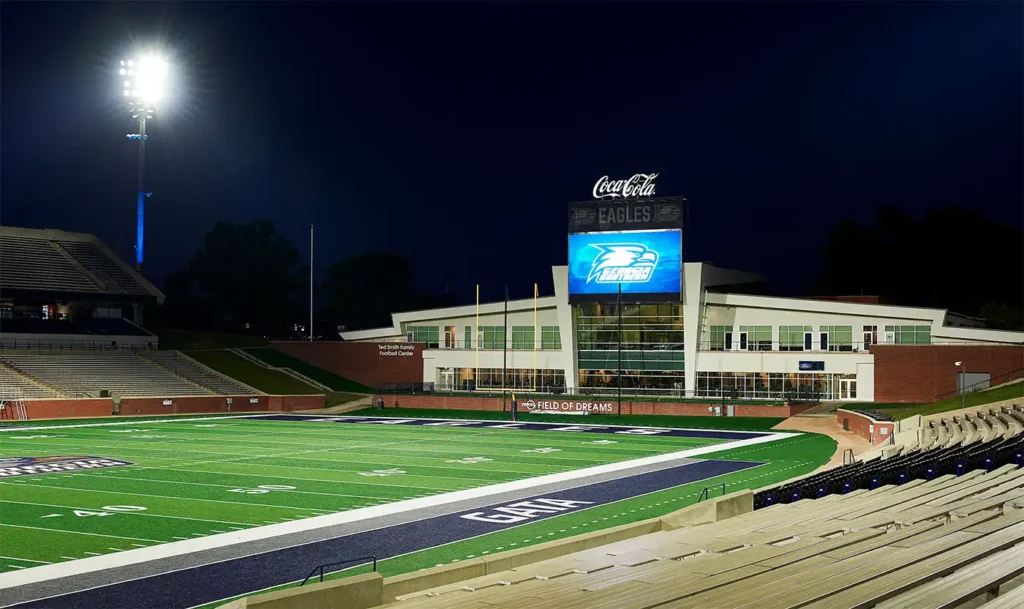
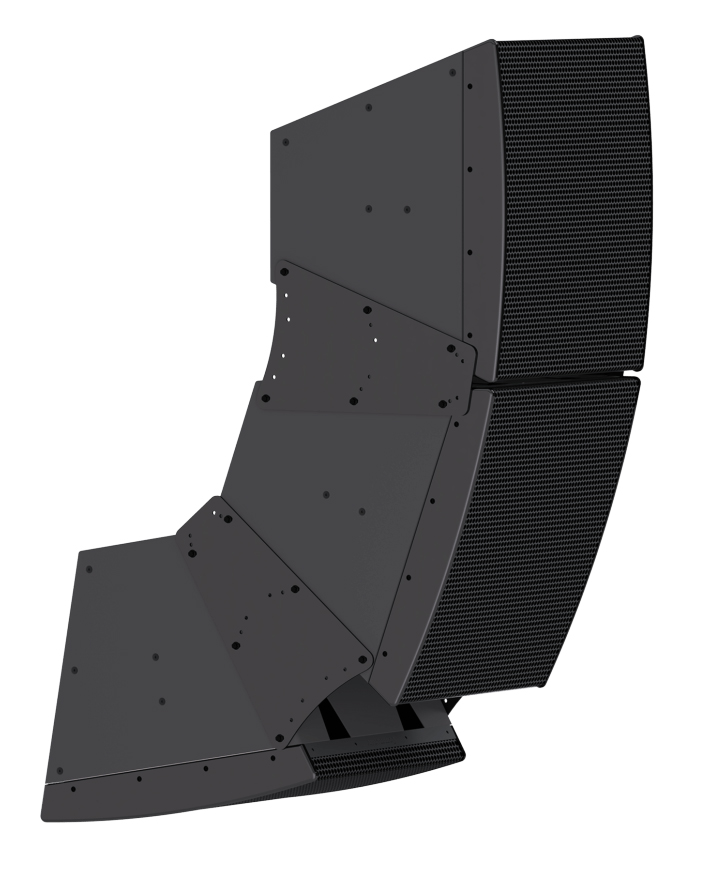
Se han instalado los altavoces beamforming Community LVH-900 de Biamp para sustituir la configuración heredada, gracias a su capacidad para dirigir electrónicamente el sonido y controlar los patrones de cobertura sin mover la matriz física.
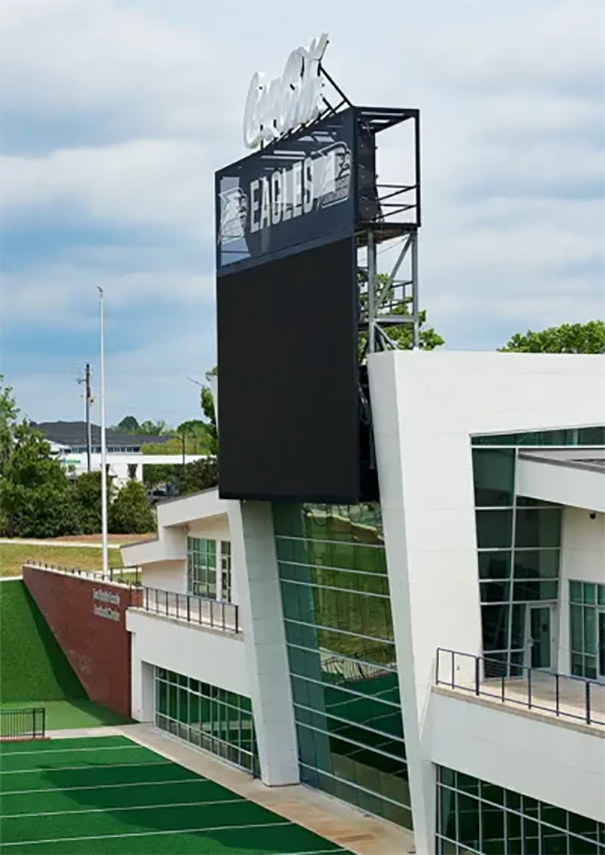
 En preparación para una nueva temporada de fútbol americano, the Universidad del Sur de Georgia necesitaba resolver un problema crítico en su estadio: el sistema de sonido existente no podía superar el rugido de la multitud. Los anuncios y el audio de la retransmisión en directo a menudo se perdían entre el ruido, y cuando se exigía más al antiguo sistema, se distorsionaba mucho.
El equipo de Biamp, liderado por el ingeniero principal Charlie Hughes, intervino con una solución más inteligente y adaptable. Se seleccionaron los altavoces beamforming Community LVH-900 para sustituir la configuración heredada, por su capacidad para dirigir electrónicamente el sonido y controlar los patrones de cobertura sin mover la matriz física.
 Thanks to software VenuePolar y FIRmaker, dentro de Ease Focus 3, no fue necesario realizar ningún cambio físico en los altavoces beamforming Community LVH-900 de Biamp, brand that distributes AVIT Vision, para mejorar el audio en el estadio.
Cuando Hughes y el equipo de Biamp llegaron al lugar, las matrices de altavoces ya estaban instaladas y cableadas, por lo que no había posibilidad de reorientarlas físicamente. Las pruebas iniciales revelaron una cobertura desigual y un importante problema de reflejos procedentes de la cabina de prensa y del pabellón deportivo. Dada la importancia del tiempo y la imposibilidad de realizar cambios en el hardware, Hughes recurrió a la optimización basada en software.
“La capacidad de modificar electrónicamente el patrón de cobertura vertical para superar retos imprevistos nos ha ahorrado decenas de miles de dólares y semanas de tiempo”, explica Charlie Hughes, ingeniero jefe.
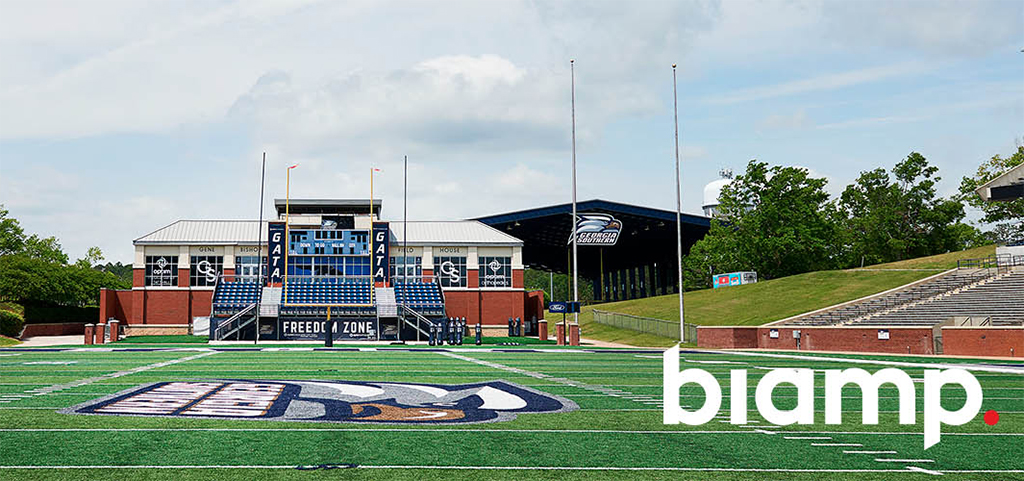
A través de VenuePolar y FIRmaker dentro de Ease Focus 3, el equipo ajustó los filtros de formación de haces para redirigir la salida lejos de las superficies reflectantes y redistribuir el nivel de presión sonora (SPL) por todo el estadio.
La reflexión del pabellón, que inicialmente causaba importantes problemas de inteligibilidad, se redujo hasta en 9 dB. Cuando ese ajuste afectó negativamente al SPL en las zonas más alejadas, el equipo revisó de nuevo los filtros y llegó a un compromiso que redujo los niveles de reflexión en 6 dB a la vez que mantenía una cobertura potente con solo una pérdida de 3-4 dB de SPL en los asientos más alejados.
Los ajustes finales de ecualización in situ permitieron afinar aún más el sonido. A pesar de las preocupaciones iniciales sobre el equilibrio entre los graves y los medios, unos pequeños retoques dieron como resultado una experiencia de audio rica e inteligible. No fue necesario realizar ningún cambio físico, ni siquiera la posterior visita del huracán Helen pudo desplazar las matrices fijas.
Según Hughes, el proyecto demostró la potencia y flexibilidad de la serie LVH-900. “La capacidad de modificar electrónicamente el patrón de cobertura vertical para superar retos imprevistos nos ahorró decenas de miles de dólares y semanas de tiempo. All, desde el integrador hasta el personal de la universidad, quedaron encantados con el resultado”.
Did you like this article?
Subscribe to our NEWSLETTER and you won't miss anything.
Related articles
 Nureva solves the measurement of acoustic performance in large spaces
 Powersoft deploys its amplifiers at Lamar University stadium
 RCF proporciona la sonorización al estadio Radomiak Radom
 NU Downtown Marbella solves its complex acoustics with DAS Audio
 Renkus-Heinz resuelve los problemas acústicos del entorno de retail
 The University at Buffalo faces the challenge of hybrid training with Biamp
 Murideo Fox & Hound ayuda a los integradores AV a localizar problemas
 VUC Lyngby solves your distance education needs with Arec
 Las soluciones de BrightSign y 22Miles mejoran la conectividad de la Universidad Tecnológica de Georgia
 University of Connecticut upgrades stadium sound with Bose ShowMatch
 The German Sparkassen stadium presents a multipurpose space with its new sound system
 Riedel facilitates intercommunication between the sports venues of the University of Georgia
 JBL technology solves the audio problems of the Barbastro worship building
 Daktronics actualiza los sistemas audiovisuales del estadio RAC de la Universidad de Rutgers