


Meyer Sound GEN-1 lleva el procesamiento digital directamente al altavoz
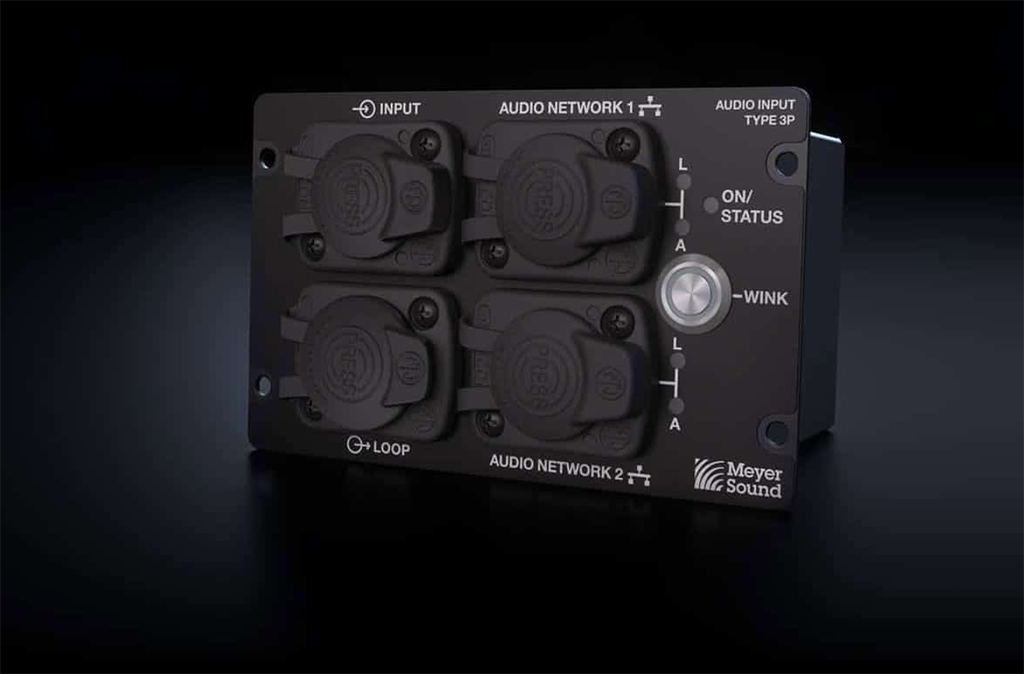
Con esta solución, Meyer Sound da el salto del autoamplificado al autoprocesado. GEN-1 combina conectividad en red y procesamiento interno en cada unidad, con compatibilidad AES67 y diseño optimizado para Milan.
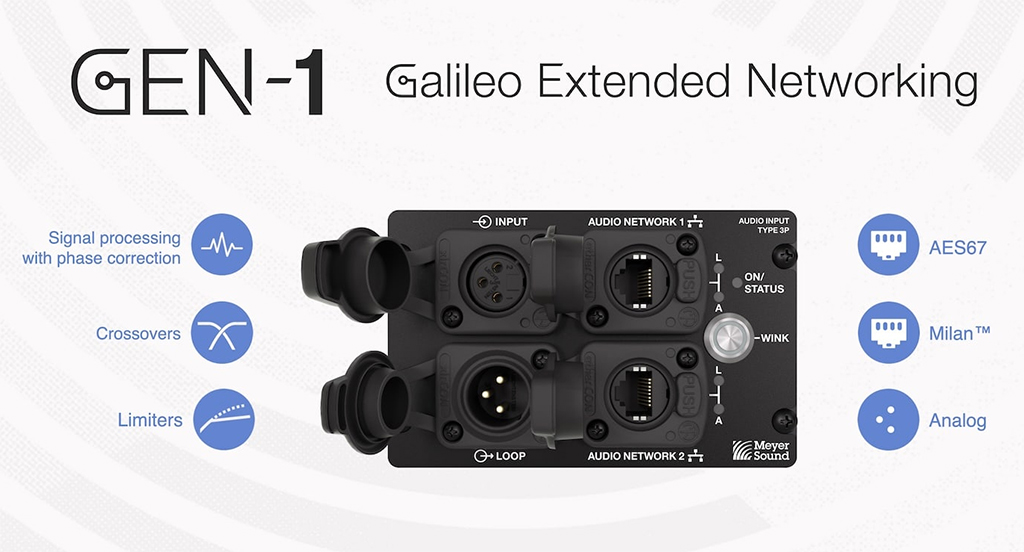
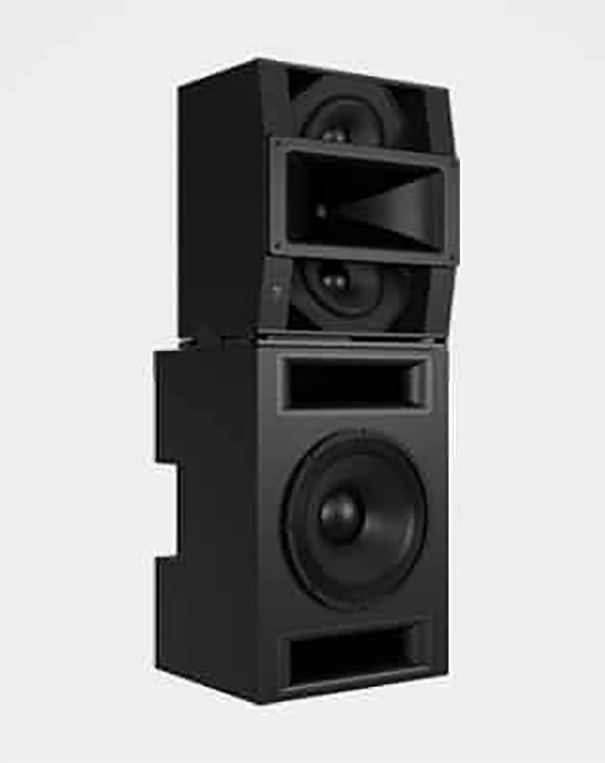 GEN-1 (Galileo Extended Networking) es la nueva tecnología que impulsa la próxima generación de sistemas Meyer Sound. Integra conectividad en red y procesamiento de señal incorporado directamente en el altavoz.
Compatible con AES67 y optimizado para la integración con Milan, representa una base altamente escalable y adaptable para futuras arquitecturas de sistemas.
“Esto es una evolución del sistema Galaxy, trasladando esa capacidad de procesamiento directamente al altavoz”, explains Brian Smith, product manager de sistemas digitales en Meyer Sound. “Estamos pasando de autoamplificado a autoprocesado, lo que abre un nuevo nivel de eficiencia y flexibilidad”.
Se basa en el legado pionero de Meyer Sound, brand that distributes RMS Proaudio, in altavoces autoamplificados, aplicando ese mismo espíritu de integración a la cadena de señal digital. Los diseños tradicionales de sistemas de sonido se basan en unidades DSP centralizadas para gestionar el procesamiento antes de distribuir las señales a los altavoces.
GEN-1 revoluciona ese modelo al integrar el procesamiento en el altavoz, lo que reduce los requisitos de cableado y rack, a la vez que minimiza los puntos de fallo. El resultado es una infraestructura más optimizada y robusta, especialmente valiosa en implementaciones complejas o a gran escala.
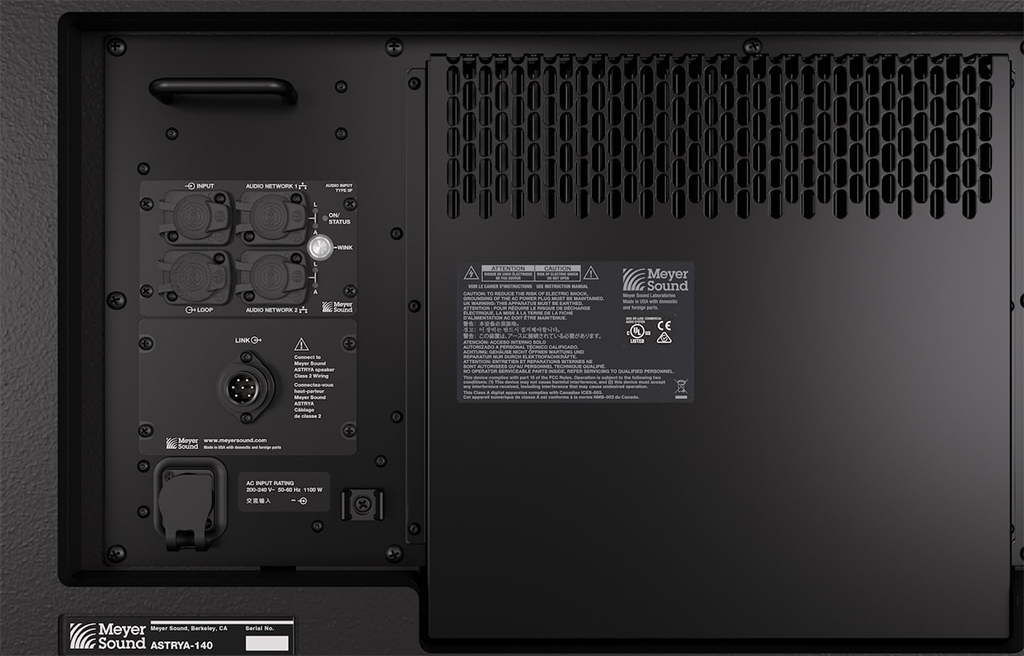
La primera aplicación de esta tecnología se encuentra en el Astrya-140, un altavoz especializado para pantallas de cine de gran formato. Con GEN-1, los diseñadores de sistemas disponen de mayor libertad para adaptar cada proyecto a las necesidades concretas de rendimiento, presupuesto y configuración, ya sea en salas de cine inmersivo, espacios de entretenimiento temático o instalaciones multizona.
Al incorporar la potencia de procesamiento equivalente a un canal de Galileo Galaxy en cada altavoz, convierte a cada unidad en un nodo inteligente dentro de la red.
GEN-1 es capaz de recibir un flujo de audio AES67 y aplicar en el propio altavoz todo el procesamiento necesario: retardo, equalization, U-Shaping y Product Integration. Este enfoque descentralizado permite una implementación más rápida, un rendimiento más uniforme en todo el sistema y una reconfiguración sencilla si cambian las necesidades del proyecto.
“Esto permite una escalabilidad mucho más precisa, especificando exactamente el número de altavoces necesarios sin sobredimensionar el sistema”, añade Smith. “Es una forma más eficiente y resistente de abordar el diseño sonoro”.
Software Nebra
He control y la monitorización de GEN-1 se realizan mediante el software Nebra, que ofrece información en tiempo real sobre presencia de señal, estados de clip o activación de limitadores, todo a través de la red. A medida que evolucione la plataforma, Nebra incorporará nuevas opciones de control y lógica definida por el usuario para redundancia de red y conmutación por error.
El módulo ha sido concebido con una visión de largo plazo. Próximas versiones incorporarán conectividad redundante Milan AVB, con el objetivo de aportar mayor seguridad en instalaciones críticas.
Las futuras implementaciones de productos ampliarán los beneficios de GEN-1 a todo el ecosistema de altavoces amplificados de Meyer Sound, expandiendo el alcance del procesamiento centrado en los altavoces en entornos de sonido instalados.
“GEN-1 forma parte de una evolución más amplia, moldeada por las necesidades que recibimos de diseñadores e integradores”, concludes Andy Davies, director senior de product management en Meyer Sound. “Es otro ejemplo de cómo desarrollamos productos capaces de conectarse de forma más inteligente, escalar con mayor precisión y responder a las demandas de los sistemas actuales”.
Did you like this article?
Subscribe to our NEWSLETTER and you won't miss anything.
Related articles
 El Avicii Arena entra en una nueva era acústica con Meyer Sound
 Meyer Sound ofrece un innovador sonido al Arena Wien
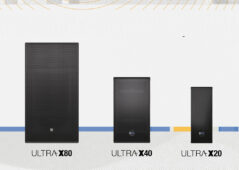 Meyer Sound lanza el altavoz más potente de la gama Ultra
 tvONE lleva su nuevo procesamiento de vídeo Calico Pro a InfoComm 2024
 Brompton lleva su procesamiento Led al mayor estudio de producción virtual de Taiwán
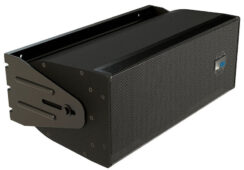 Meyer Sound Ultra-X20: ligero altavoz autoamplificado de rango completo
 Meyer Sound estrena Spacemap Go con la obra de Bill Fontana
 Meyer Sound Ultra-X40: un polifacético altavoz idóneo para numerosos verticales
 Los Estudios Toei de Kioto instalan monitorización Meyer Sound
 Meyer Sound gives a webinar on its Compass control software
 Riedel lleva a ISE nuevas propuestas para procesamiento IP derivadas de la compra de Embrionix
 Meyer Sound firma un acuerdo de colaboración con la conferencia anual TED
 Meyer Sound elige ISE 2019 para exhibir las ventajas de su nuevo altavoz de fuente puntual
 Meyer Sound lleva la optimización de sistemas al entorno de la movilidad con Compass Go