


Expectation at the presentation of MicroTiles in Amsterdam
MicroTiles, The new virtually continuous digital canvas developed by Christie attracts attention at ISE'10 for the possibilities it offers in numerous fields of application, and the spectacular sharpness of its images at any distance. Unlike conventional video walls, This system allows for automatic self-calibration and self-correction.
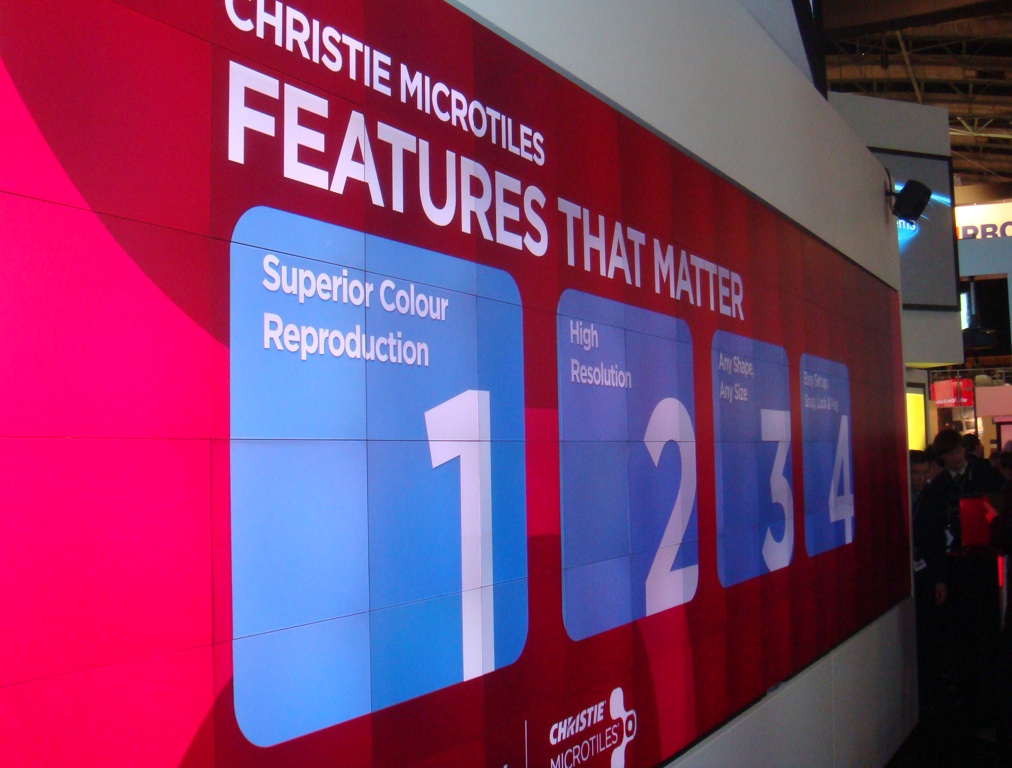 Christie presented yesterday at Integrated Systems Europe, the integrated AV fair that takes place until Thursday 4 in Amsterdam, your new virtually continuous digital canvas MicroTiles. Presented to the press and professionals at this fair, a spectacular panel of 6×16 modules, MicroTiles allows you to create an infinite number of sizes and shapes by combining the different modules. From television sets to multimedia kiosks, public information, immersive points or as multi-screen control, Christie's new technology creates a virtually continuous canvas, without cuts and with a superfine pixel that is negligible even at short distances. The distance between each of the mosaic modules is barely 1 mm. But perhaps the main advantage of Christie's new proposal is the fact that its easy configuration. In a matter of minutes, The different modules can be stacked and interconnected, making their configuration easier for the user thanks to their self-correction and self-calibration. Another feature is its agnostic technology, allowing it to interact without any problem with other applications or signal sources..
 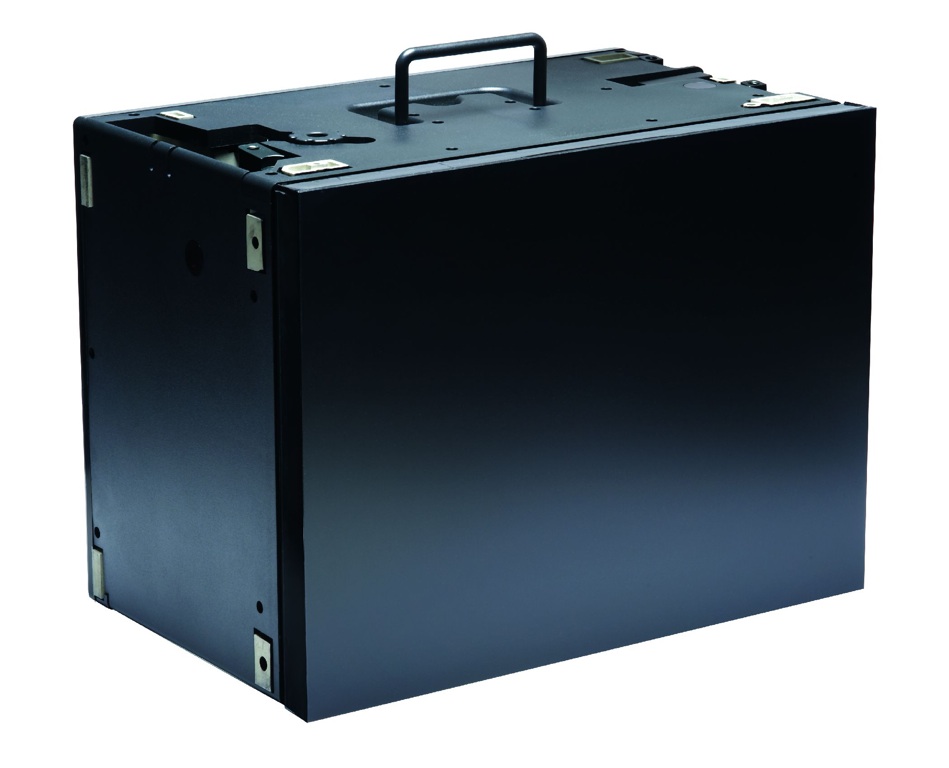 DLP-LED combination This revolutionary LED and DLP based system is designed for durable and reliable commercial use in public places, no lamps or other consumables to replace. LED light engine, a key component of MicroTiles, has an estimated life of 65.000 hours being used at half brightness, or around 7,5 years in continuous operation. With a screen size of 16 inches (408 mm) wide and 12 high (306 mm), The mosaics have a depth of only 26 centimeters, hardly requiring 50 mm clearance for rear ventilation. Chrisrtie engineers have designed MicroTiles so that complete maintenance can be easily done from the front. Each module is self-sufficient, which means that unlike conventional video walls, where color calibration is expensive and time-consuming, in MicroTiles it is completed automatically thanks to built-in sensors.
 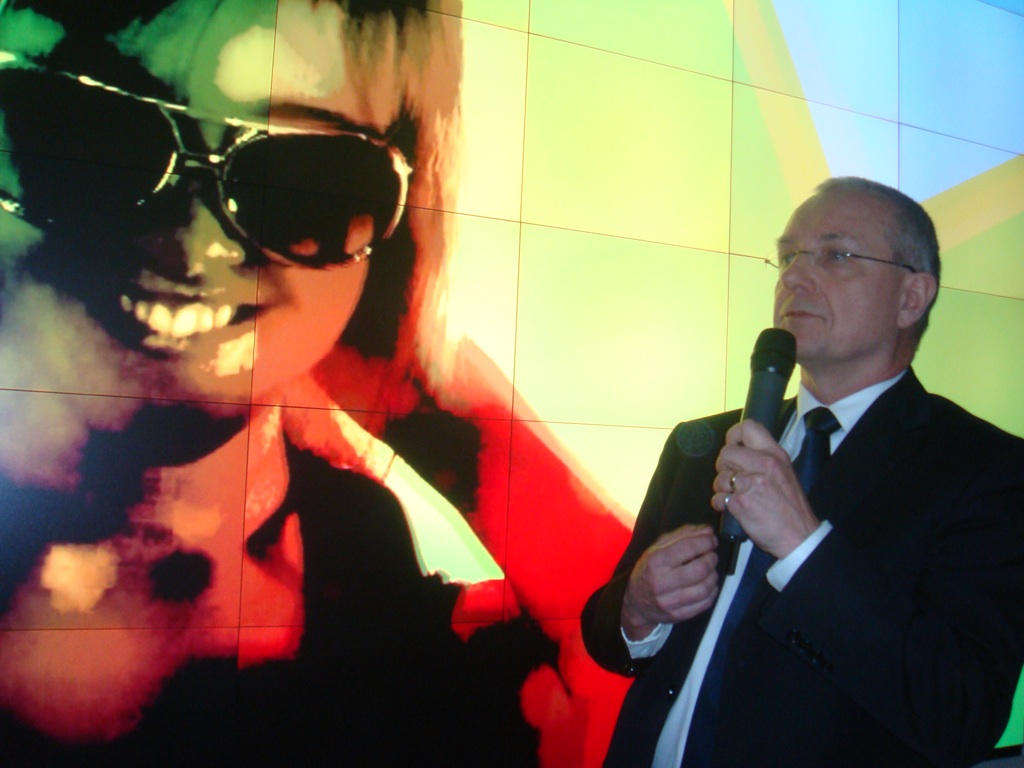 The entire system is controlled from one unit that processes all the signal from the media players. Bob Rushby, co-inventor of MicroTiles and chief technology officer at Christie commented yesterday at the presentation that “con MicroTiles, Users can unleash their vision and creativity, mounting displays in ways that have been previously unattainable with current flat panel LCDs, plasmas or LED walls. Our partners are discovering new ways to use digital displays that would have been impossible or impractical before MicroTiles”. Rushby joked that: “I have thirty years of experience as an engineer and I have never met a professional colleague who wanted to invent something difficult to use.… but sometimes it happens”. The co-inventor of MicroTiles recruited his wife Jane for the project, a kindergarten teacher. And his work with children, allowed the development team to create a technology so that a person without great technological skills, as Jane, I could install multiple blocks, dismantle them, move them and assemble them again in another place and in another configuration without the slightest problem.
 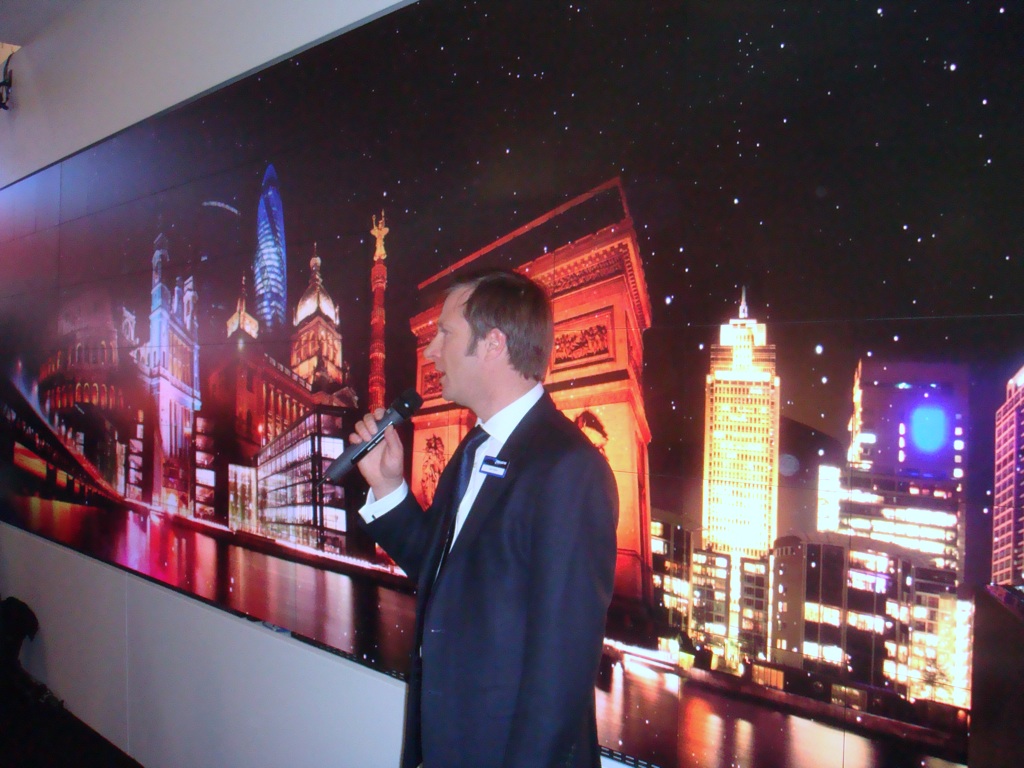 Applications The spectacular image quality and modular flexibility of the MicroTiles system opens up vast possibilities for companies designing and creating large, visually rich displays for television sets., architectural installations, outdoor advertising, event centers, control and supervision or commercial environments. MicroTiles can be stacked and arranged to create dominant visual images that fit within the physical constraints of a building and eliminate all compromises made when using other display technologies.. Since each mosaic module is made of unbreakable acrylic, It is possible to install a MicroTile in public places without running any risk and, even, in any lighting condition since the system has considered the Helmholtz Kohlrausch effect (of HK). After studying the light sources in depth, Christie team managed to produce colors of greater saturation and brightness, as well as quadrants with brighter colored images. The essential thing is that the images achieved are unmatched in the visualization industry. [youtube]http://www.youtube.com/watch?v=3WLG9TexMQA[/youtube]
Did you like this article?
Subscribe to our NEWSLETTER and you won't miss anything.
Related articles
 Lockheed Martin incorpora Christie MicroTiles Led en Amaze
 Christie expands its MicroTiles Led line with pixel models of 0,75 y 1,0 mm
 Christie boosts Led MicroTiles manufacturing with automation and robotics
 Christie shows at ISE 2020 Active 3D technology applied to its Led MicroTiles
 Christie MicroTiles in the St. Petersburg Ring Control Room
 Christie MicroTiles shine at the Goya Awards gala
 ‘The Book of Shapes’ brings together the most interesting projects carried out with MicroTiles
 Christie MicroTiles enhance the image of New Look's Dublin flagship store
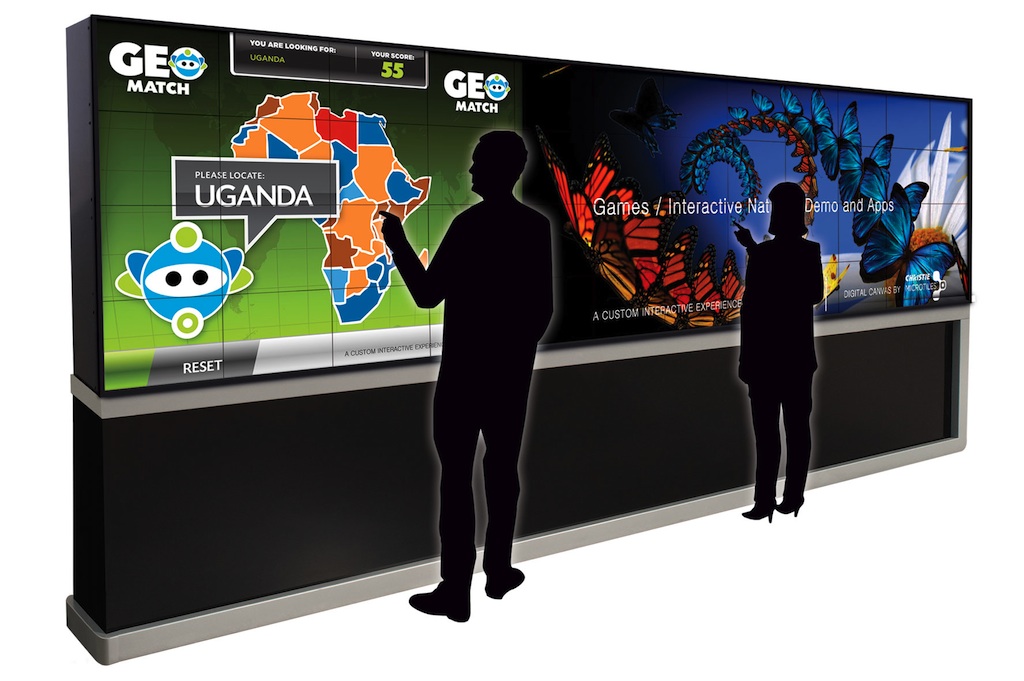 Christie expands MicroTiles capabilities with new solutions
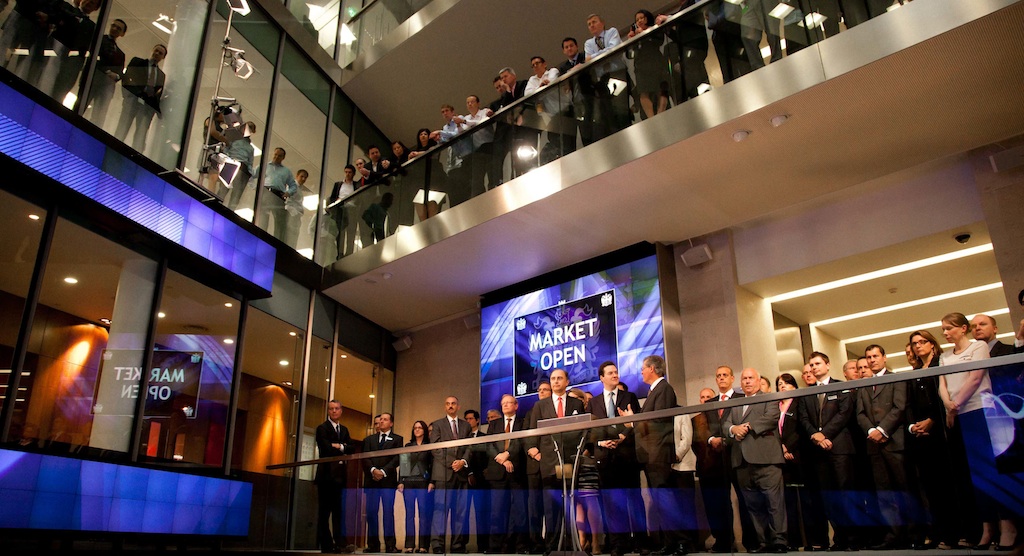 Christie MicroTiles on the London Stock Exchange
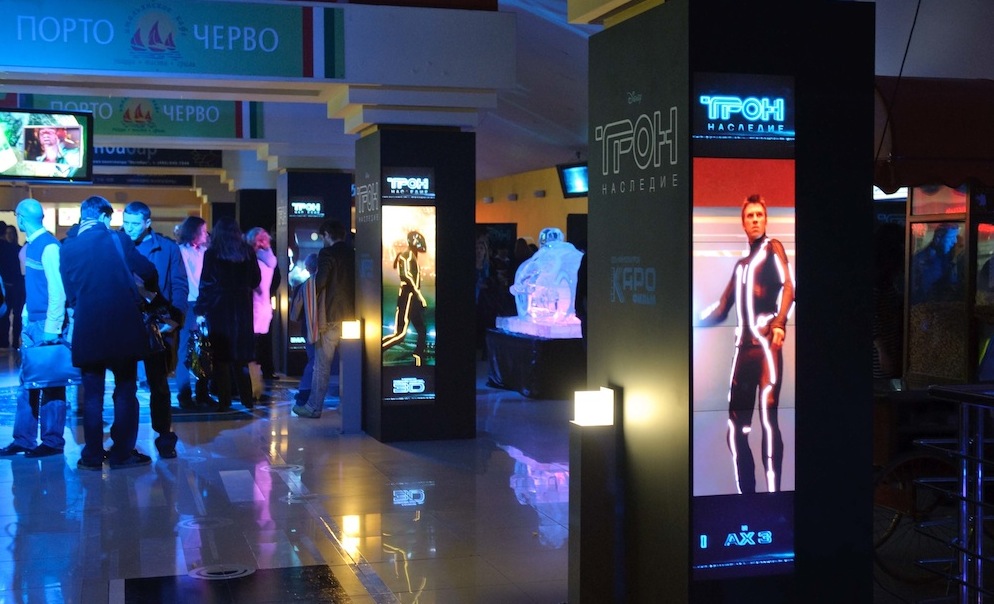 The premiere of 'Tron’ surrounds itself with high technology with Microtiles
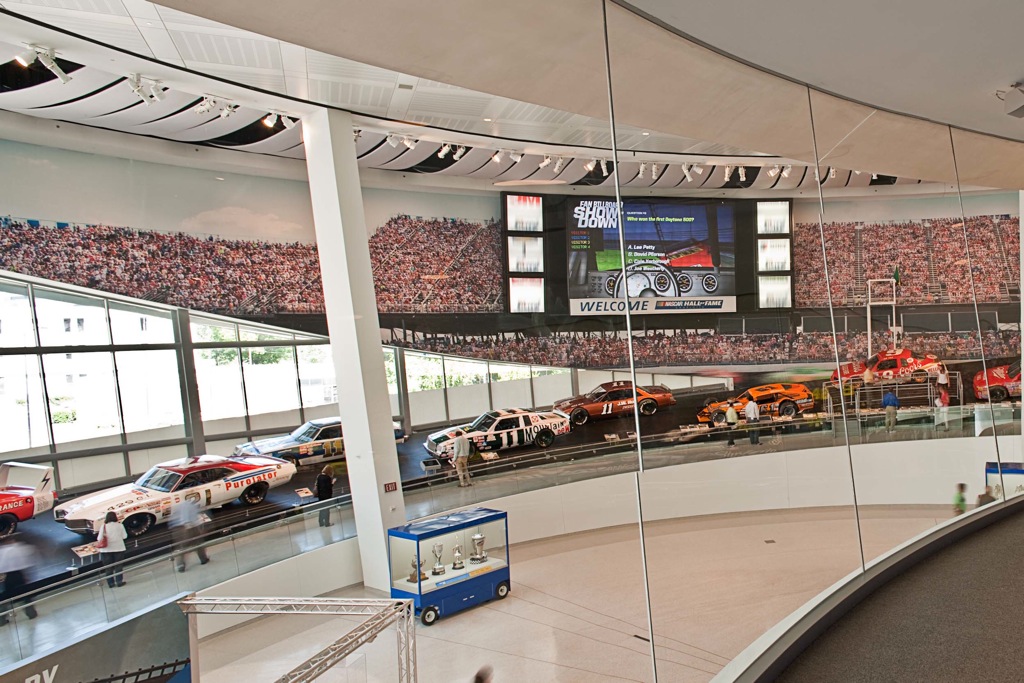 Christie MicroTiles in the NASCAR Hall of Fame
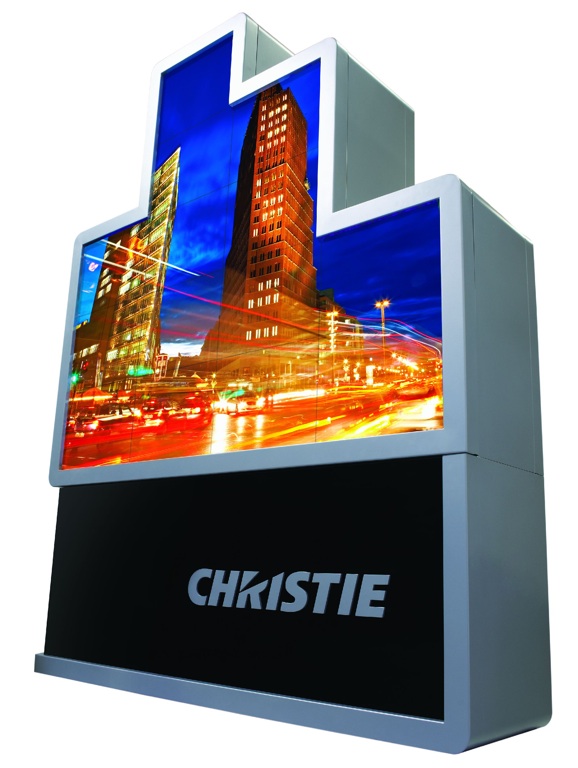 Christie MicroTiles, size does matter
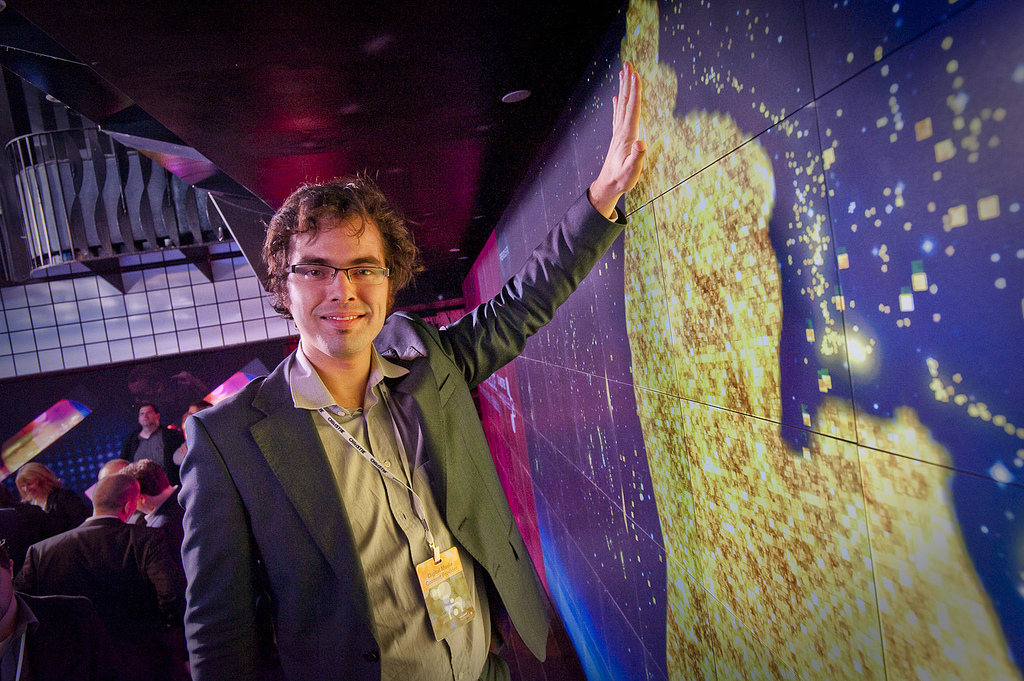 Christie MicroTiles, a stunning seamless digital canvas