


Olympus creates its own model of augmented reality glasses
La compañía japonesa Olympus ha lanzado un nuevo prototipo de gafas de realidad aumentada, las MEG4.0, un dispositivo similar al recientemente lanzado por Google, las Project Glass. Se trata de unas gafas de realidad aumentada que pueden utilizarse junto a smartphones y Tablets colocando una pantalla de 320 x 240 píxeles a escasos centímetros de los ojos del usuario.
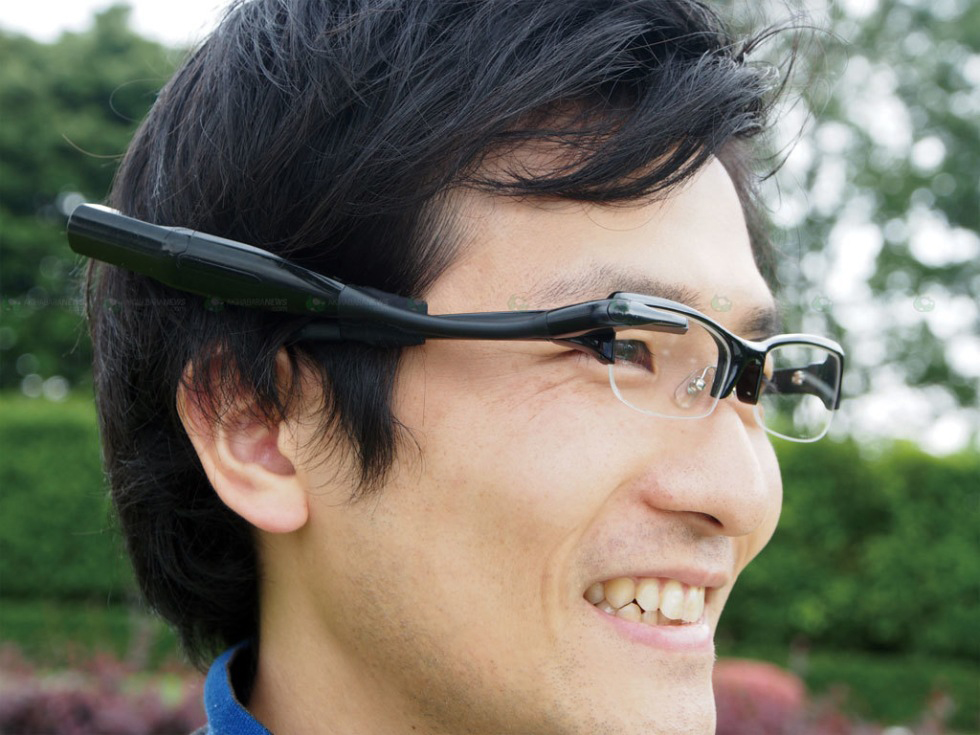
Olympus ha presentado MEG4.0, su propio modelo de gafas de realidad aumentada. Se trata de un dispositivo con pantalla que se acopla a las lentes y permite mostrar los contenidos en dispositivos sobre el fondo real. La apuesta de Olympus se conecta con smartphones y Tablets a través de Bluetooth 2.1 y tiene una autonomía de hasta 8 hours. El objetivo es permitir a los usuarios disponer de una pantalla que se pueda utilizar en su campo de visión, sin bloquearlo.
MEG4.0 incluye una pequeña pantalla desarrollada con tecnología QVGA. Esta pantalla tiene una resolución de 320 by 240 píxeles y se adosa a las gafas. La tecnología desarrollada por Olympus permite ver los contenidos sin bloquear la imagen real y la compañía ha destacado que su tecnología aprovecha la luz real para ofrecer una mayor visibilidad.
Como característica destacada, Olympus ha apostado por conectividad Bluetooh 2.1 para permitir que MEG4.0 se conecte a dispositivos móviles de todo tipo. In this way, los usuarios podrían acceder a la conexión y los contenidos de sus ‘smartphones’ a través de sus gafas, lo que permitiría la interacción sin necesidad de acceder a los dispositivos. El MEG4.0 tiene una autonomía de 8 hours, 2 con la pantalla encendida, y dispone de sensores como acelerómetro para permitir la interacción con determinadas aplicaciones.
Otros proyectos
Google abrió la caja de Pandora de las gafas de realidad aumentada con Project Glass, un dispositivo que ofrece la posibilidad de interactuar con el entorno superponiendo los contenidos y que puede revolucionar la forma de interacción de los usuarios. Nevertheless, Google y Olympus no son las únicas empresas que parecen que trabajan en esta nueva era de dispositivos, pues Apple es otra de las compañías que también han puesto el foco en las gafas como un nuevo interfaz de salida y, en ese sentido, han registrado la patente de un sistema de proyección de imágenes sobre los dos ojos que podría ser bastante revolucionario.
Did you like this article?
Subscribe to our NEWSLETTER and you won't miss anything.
Related articles
 Brainstorm proposes a new augmented reality learning model with Edison
 NASA brings HoloLens augmented reality glasses to the ISS
Epson shows at MWC 2014 the capabilities of your Moverio BT-200 augmented reality glasses in practical applications
NASA brings HoloLens augmented reality glasses to the ISS
Epson shows at MWC 2014 the capabilities of your Moverio BT-200 augmented reality glasses in practical applications
 Epson discovers at CES 2014 your smart glasses with augmented reality Moverio BT-200
Epson will show its Moverio BT-100 augmented reality glasses at Droidcon London
Epson discovers at CES 2014 your smart glasses with augmented reality Moverio BT-200
Epson will show its Moverio BT-100 augmented reality glasses at Droidcon London
 Sony joins the development of augmented reality glasses
Google's augmented reality glasses generate controversy even before their commercial launch
Sony joins the development of augmented reality glasses
Google's augmented reality glasses generate controversy even before their commercial launch
 Vuzix 1200AR, the new augmented reality glasses for professionals
 Oakley announces Airwave snow goggles with augmented reality
 UC3M creates virtual reality glasses that allow blind people to recognize objects
 Valve investigates augmented reality systems based on glasses and contact lenses
 Google presents its augmented reality glasses project
 Vuzix promises to revolutionize the optics market with its augmented reality glasses Smart Glasses
 Lumus develops totally transparent augmented reality glasses