


ST Engineering Antycip upgrades UCL London VR lab
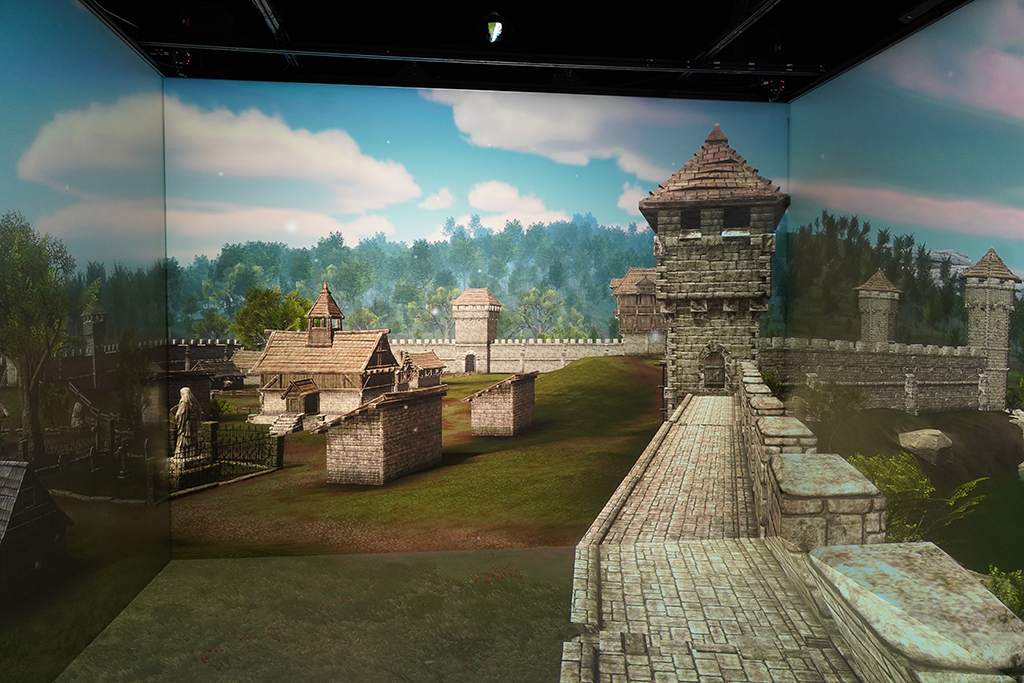
During the last renovation of this laboratory, ST Engineering Antycip ha sustituido los obsoletos proyectores por cuatro equipos láser Barco UDM 4K. Las nuevas gafas estereoscópicas sincronizadas por radiofrecuencia y el cableado de fibra óptica han mejorado la usabilidad y la fiabilidad.
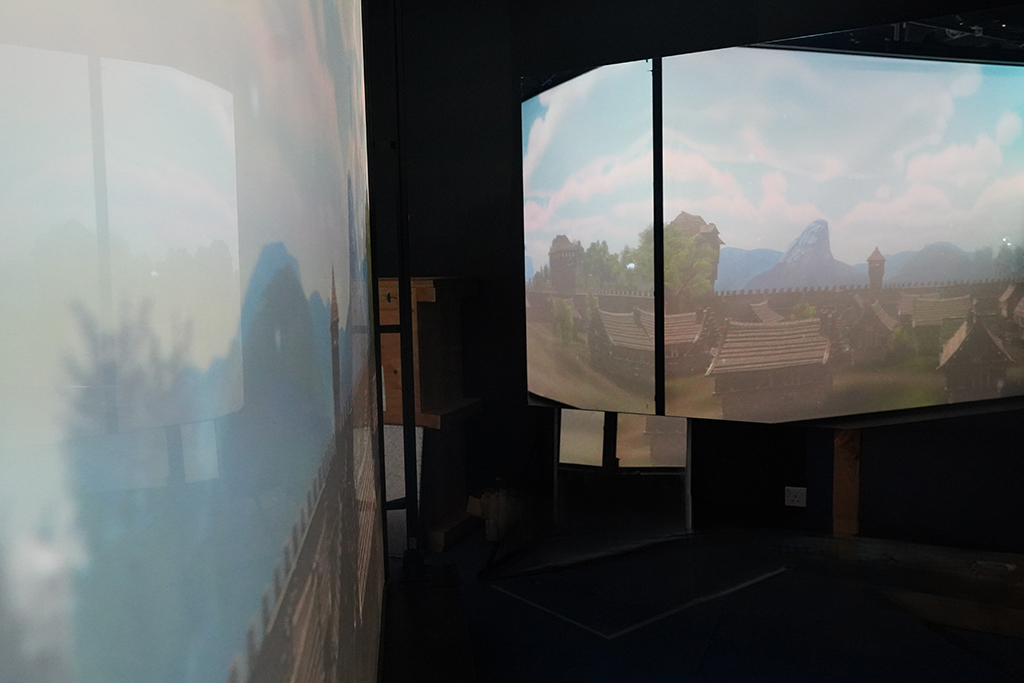 ST Engineering Antycip (Antycip) ha modernizado la sala inmersiva del laboratorio de realidad virtual de la University College London (UCL), aportando una nueva perspectiva a una de las instalaciones de investigación inmersiva más consolidadas del Reino Unido gracias a una tecnología de proyección de nueva generación.
Inaugurado en el año 2000 como el primero de su tipo en el país, el laboratorio ha evolucionado a lo largo de varias generaciones tecnológicas. Desde sus inicios, con proyectores CRT y generadores de imágenes SGI, pasando por sistemas basados en lámparas y múltiples soluciones de seguimiento, ha sido un pilar fundamental en la posición de UCL como uno de los principales grupos de investigación en realidad virtual del Reino Unido. En la actualidad, el laboratorio sigue siendo una pieza clave en proyectos de interacción persona-ordenador, biomecánica, robotics, realidad virtual y aumentada.
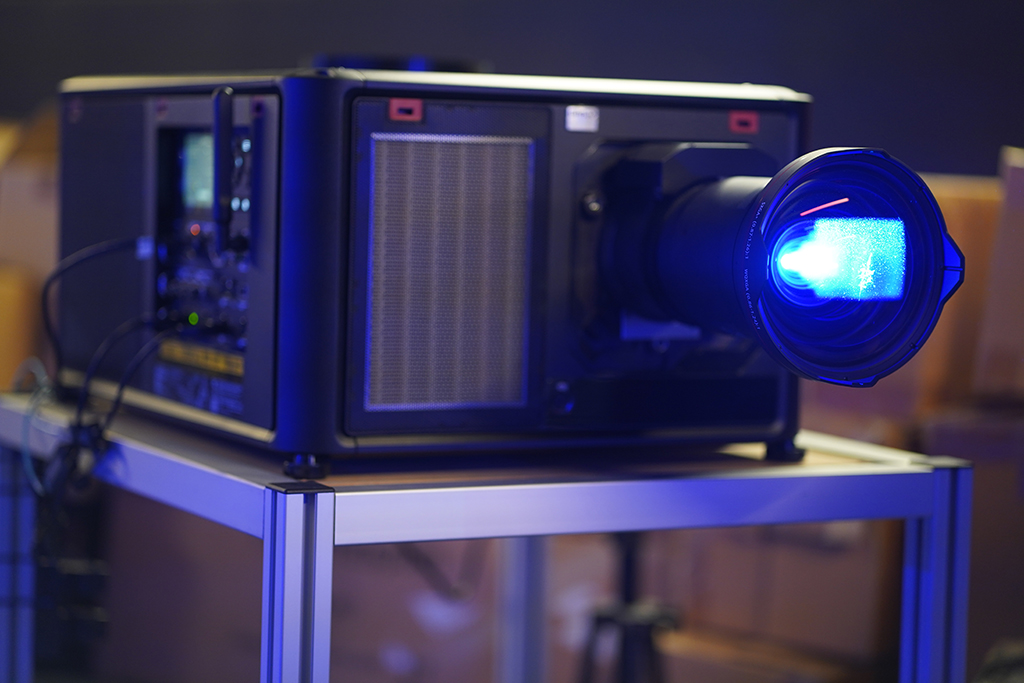 La última actualización sustituye los proyectores instalados en 2012 por cuatro proyectores láser Barco UDM 4K. Now, el sistema ofrece un contraste más brillante, colores más intensos y una resolución 4K por canal, eliminando la necesidad de consumibles y reduciendo las labores de mantenimiento.
The new ones gafas estereoscópicas sincronizadas por radiofrecuencia and the cableado de fibra óptica mejoran la usabilidad y la fiabilidad, garantizando que la sala inmersiva esté preparada para muchos años de investigación futura.
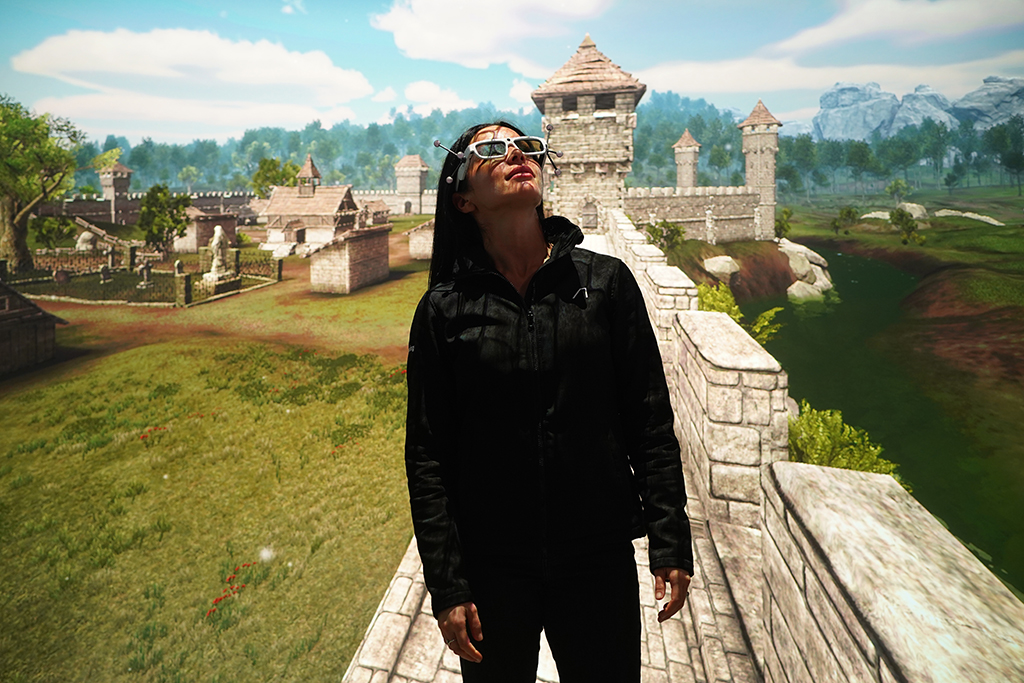 “Nuestro anterior sistema de proyección nos sirvió muy bien durante más de una década, pero era cada vez más difícil encontrar repuestos, y el rendimiento ya no respondía a las exigencias de la investigación de vanguardia”, explains David Swapp, investigador sénior y profesor de Tecnologías Inmersivas en la UCL. “Con la nueva configuración obtenemos un contraste superior, mejor resolución y una fiabilidad del sistema esencial para seguir ampliando los límites de la realidad virtual inmersiva. Nos interesa comprender qué hace que la RV funcione, qué provoca que las personas que entran en la sala inmersiva, sepan que no es real pero actúen como si lo fuera. Esa es la pregunta que seguimos explorando, y esta actualización nos permite hacerlo aún mejor”.
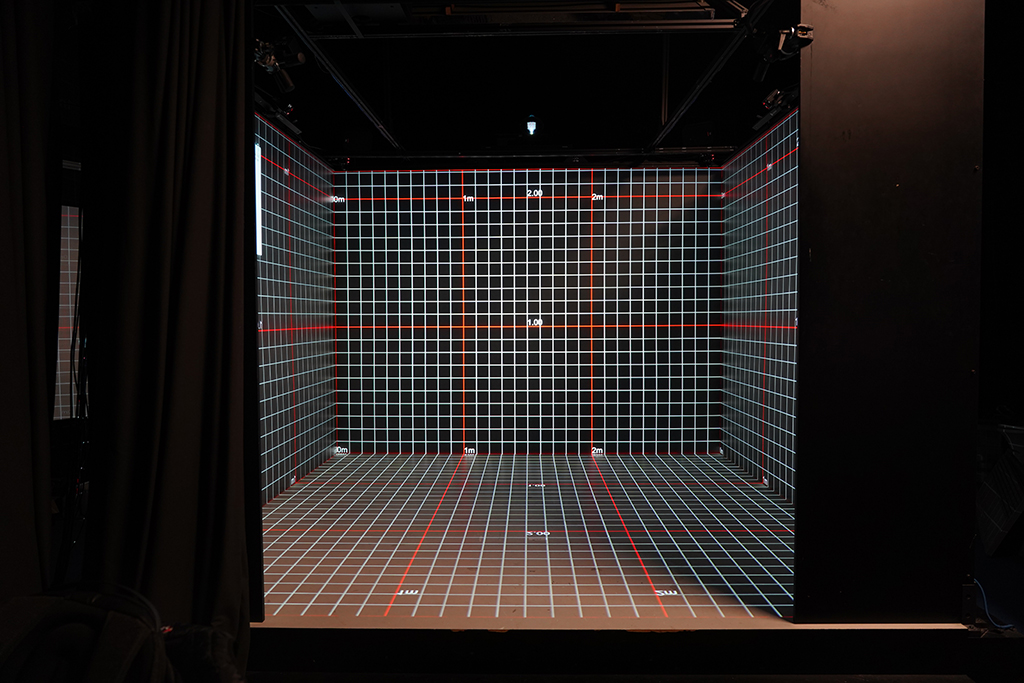
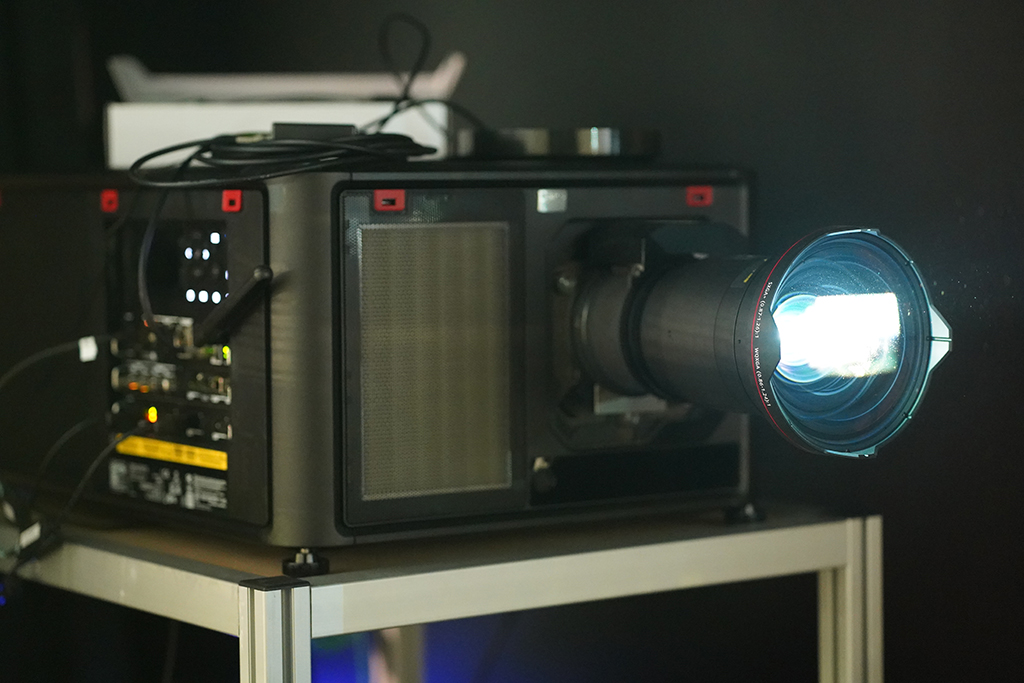 La sala ya ha albergado estudios sobre renderizado foveado, interacción con avatares, comportamiento impulsado por inteligencia artificial y simulación multisensorial.
Aunque el grupo de investigación de la UCL utiliza con frecuencia visores de realidad virtual para la docencia y la experimentación, los sistemas basados en proyección siguen siendo la opción preferida en muchos casos de uso, ya que ofrecen un nivel de inmersión e interactividad que los dispositivos portátiles no pueden igualar.
“Estamos muy orgullosos de haber apoyado a la UCL en esta actualización”, comment John Mould, commercial development manager de Antycip. “Esto garantiza que una de las instalaciones inmersivas más emblemáticas del Reino Unido siga evolucionando. Ver el salto en calidad de imagen en comparación con sus orígenes con CRT subraya lo lejos que ha llegado esta tecnología y lo mucho que aún puede avanzar”.
Con esta renovación, la sala inmersiva no solo prolonga su legado, sino que abre la puerta a nuevas oportunidades para descubrir cómo se encontrarán las personas y la tecnología en el futuro.
Did you like this article?
Subscribe to our NEWSLETTER and you won't miss anything.
Related articles
 El Museo Marítimo Nacional de Londres actualiza sus sistemas de audio con Wharfedale Pro
 ST Engineering Antycip integra su simulador MyIG con VR-Forces
 AVPro Global inaugura su laboratorio de capacitación AV
 ST Engineering Antycip impulsa el primer laboratorio Cave de Rumanía
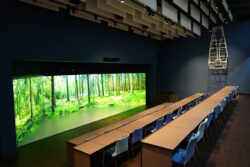 Barco impulsa el laboratorio XR de la Universidad de Westfalia del Sur
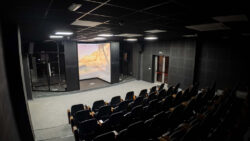 ST Engineering Antycip proporciona la primera Cave VR del Norte de África
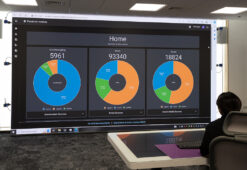 ST Engineering Antycip transforma el panorama educativo de la Universidad de Liverpool
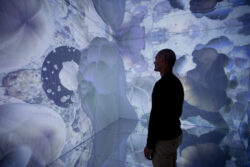 ST Engineering Antycip diseña una Cave 3D portátil para la obra artística ‘Atom’
 Extron turns a classroom into an AV learning lab
 ST Engineering Antycip aporta simulación visual en 360º a HR Wallingford
 ST Engineering Antycip proporciona su tecnología de RV a Grupo Renault
 ST Engineering Antycip entrega el mayor simulador portuario de su historia
 Vioso calibra el avanzado simulador de ST Engineering Antycip para vehículos autónomos
 La Universidad de Macquarie actualiza su laboratorio de realidad virtual con Digital Projection