


BYOD, a small screen that brings great benefits to the company
The video conference, which until now was limited almost exclusively to a room, now moving to desktop and mobile devices. José María Galdona, Avaya pre-sales engineering director for Spain and Portugal, analyzes in this Tribune the benefits of the generalization of videoconferencing and “bring your own device” policies (BYOD).
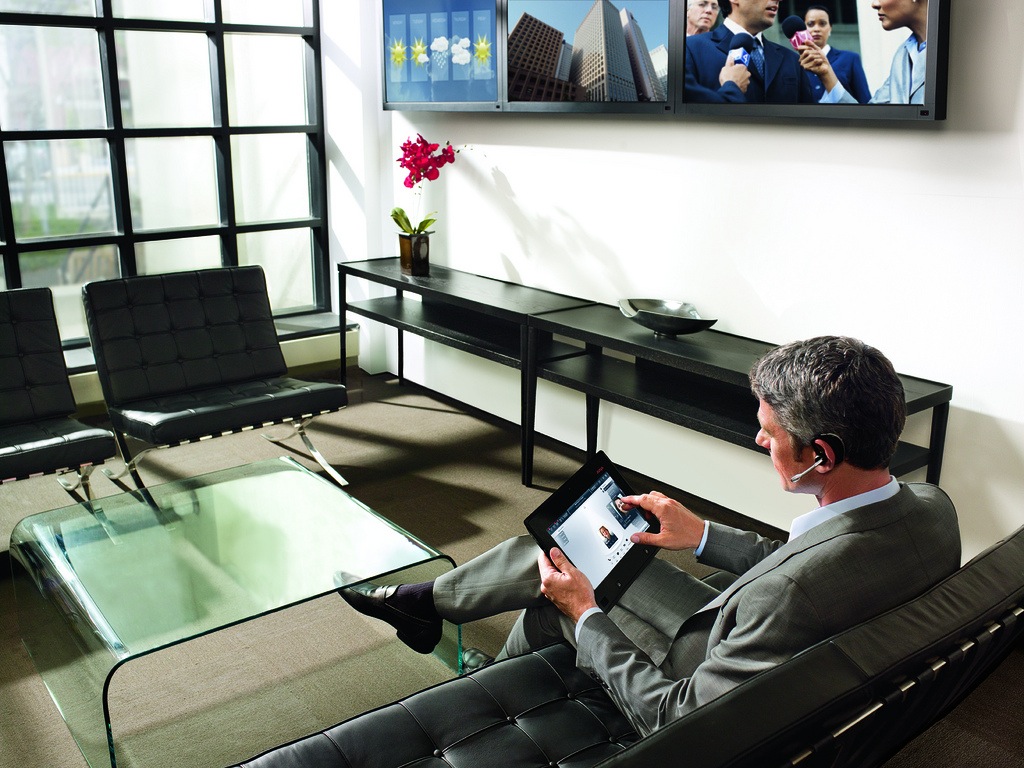
Until a few years ago, the video was limited solely and exclusively to the videoconference room or an auditorium; It is currently moving to desktop computers, but especially to mobile devices. What was previously an instrument reserved for company management, now it is available to everyone.
It is not strange that as a result, The use of video conferencing is growing within companies at a spectacular rate. According to a survey by the consulting firm Frost&Sullivan's 2012, he 89% of North American companies planned to use video conferencing more widely in the next 12 months.
The benefits are enormous. The video comes out of the big rooms, where the employee is in many cases having a mere spectator role, to become an active participant by having the video on your desktop, but also on your mobile device.
Thanks to “bring your own device” policies (BYOD), Smartphones and tablets have become ubiquitous systems in all companies. But the fact that a mobile device owned by the consumer and not the company is being widely used, This does not mean that these should be limited to the use of applications designed for the consumer..
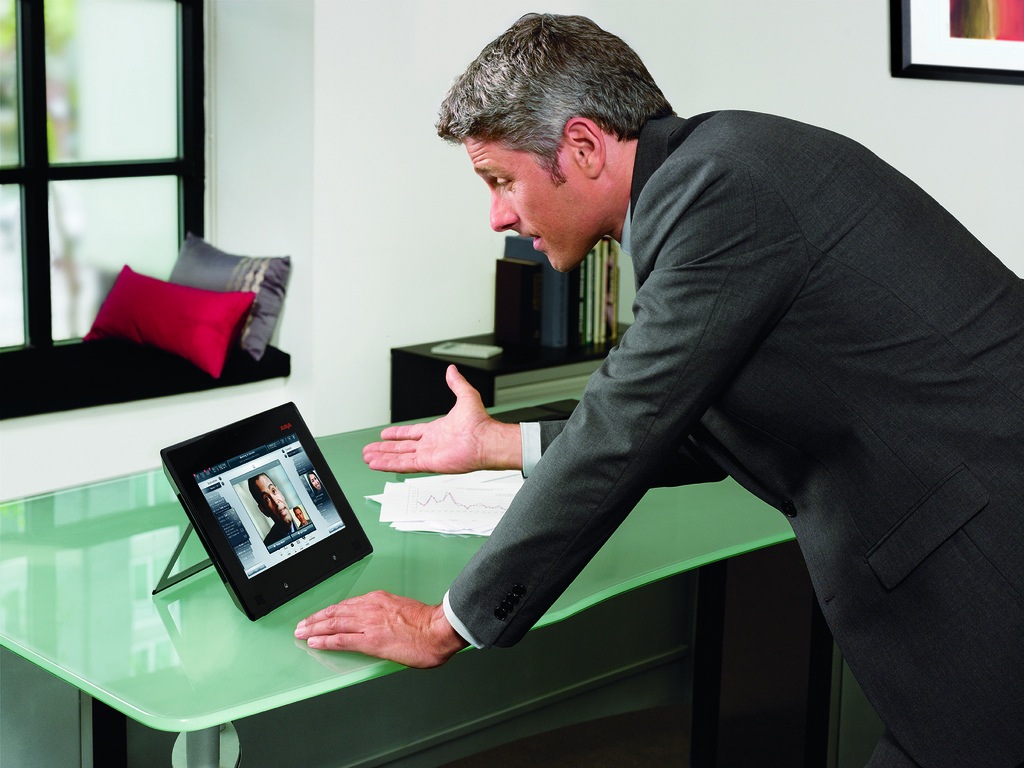
Business applications
Applications designed for the company offer better quality, Interconnect seamlessly with current corporate video conferencing systems, They offer great security and incorporate a whole set of collaboration tools, how to exchange documents, inter alia.
According to a study carried out by the consulting firm Wainhouse Research in 2012 about video services in companies, Video conferencing on mobile devices clearly occupies first place within the interests of companies, leaving managed video conferencing services far behind, the integration of video conferencing with telephony platforms and even the integration of Skype and video conferencing.
Currently, Personal video is an essential element when it comes to closer and more effective communication in the company., from executive meetings, distance training, meetings with clients, partners, collaboration with teleworkers, R&D activities, selection processes, performance reviews,…
Another step that is being taken in the company is the leap from video to support services. Technicians can share live visuals, as well as take advantage of video chat with operators to assist in equipment repairs and inspections at the customer's facilities., helping teams resolve incidents more quickly and effectively.
A non-working surgical microscope can be repaired by a technician miles away, without having to travel and, therefore, without having to wait hours or even days for this to take place. The technician can discuss the problem live with someone on the other end of the connection, Examine the microscope with a high-definition video and even share repair tutorials.
The best way to ensure that in-person video conferencing is successful is to make it accessible to all employees from the start.. How can we do it? From Avaya we suggest taking these elements into account:
- Forming: some employees, especially older, They will instinctively find the video invasive or uncomfortable. Therefore, training is necessary, in order to ease their fears and teach them that video is the closest one can get to a live, in-person meeting.
- Experiences to develop best practices: This is achieved with quarterly user surveys to understand how they use video, to share experiences and improve general use.
- High definition video: The gap between in-person and room video conferencing is rapidly disappearing, since the equipment is getting better and cheaper.
- Opening: An element to remember is that we cannot throw away the investment that our company has made in videoconferencing equipment.. Open and interoperable solutions allow us to combine the new and the old.
- Protection and security: Video conferencing systems can also be targeted by hackers, allowing you to listen to and view confidential conversations. No system should automatically answer incoming calls or operate without a powerful firewall.
According to Melanie Turek, frost analyst&Sullivan, If a videoconferencing policy is implemented in companies, we will be able to be two to five years ahead of our competition. “Organizations with an innovative mindset really know how to appreciate the value provided by advanced communications solutions that allow true collaboration,” he assures., which enables better customer service and greater productivity”.
José María Galdona
Director of pre-sales engineering Avaya for Spain and Portugal.

Did you like this article?
Subscribe to our NEWSLETTER and you won't miss anything.
Related articles
 Pleneo is born, a company promoted by the Xilica team, designed for medium and large meeting rooms
 Analog Way Aquilon C drives an LED display in a Fortune company 100
 Crestron provides secure Byod connectivity for collaboration in the new DM Lite
 MaxHub presents the ND98PNA 4K Led screen for large spaces
 “PPDS's main verticals are retail and business”, Cesar Sanz
 Optoma FHDS130: 130” Led screen for business and hospitality
 Crestron transforms small business collaboration with Flex MM
 Vivitek provides advanced technology in laser projection for museums and large spaces
 Wolfvision Cynap Pure: Byod wireless presentation system for business and classroom
 WHEREAS 2019: Sony brings its vision to create solutions that transform education and business
 Daktronics designs a LED screen 57,81 square meters for the Belgian company Iret
Laser projection reduces TCO and provides great benefits in brightness and energy efficiency
Daktronics designs a LED screen 57,81 square meters for the Belgian company Iret
Laser projection reduces TCO and provides great benefits in brightness and energy efficiency
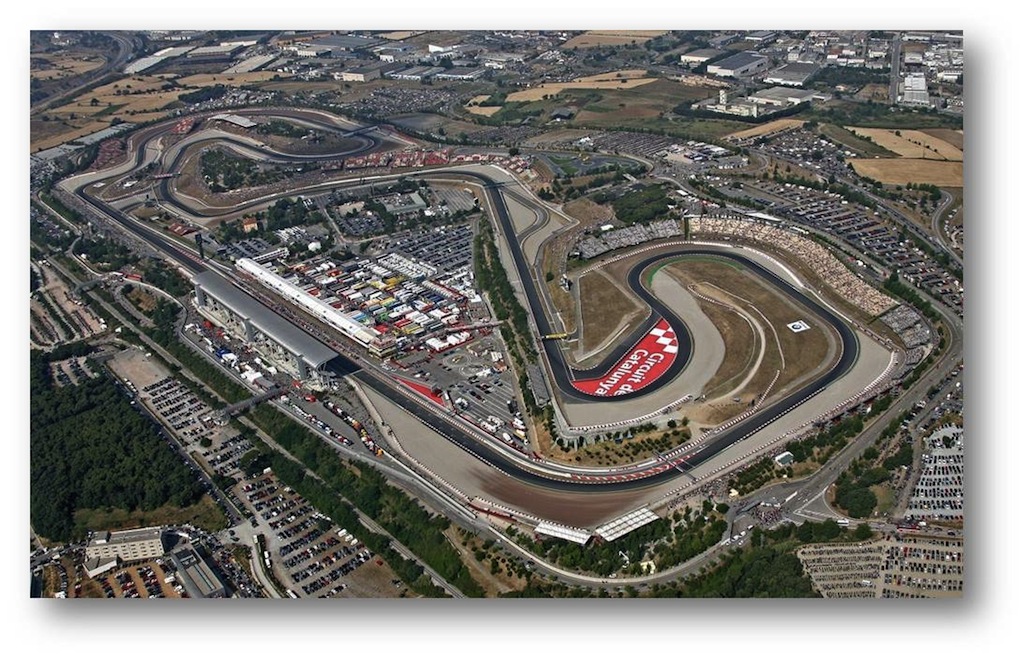 Sharp brings its display technology to the Formula Grand Prix 1 and MotoGP at the Circuit of Catalonia
The benefits that videoconferencing brings reach the Public Administration
Sharp brings its display technology to the Formula Grand Prix 1 and MotoGP at the Circuit of Catalonia
The benefits that videoconferencing brings reach the Public Administration