


Denmark turns the Eurovision Song Contest into one of the most innovative audiovisual shows of the year
The 59 edición del Festival de Eurovisión, celebrado en el B&W Hallerne Arena, antiguos astilleros de la capital de Dinamarca, ha puesto en escena uno de los mayores espectáculos audiovisuales en la historia de este festival, donde los sistemas de proyección, la tecnología 3D, iluminación LED e impactantes efectos de luz, sonido y pirotecnia han sido los grandes protagonistas tecnológicos.
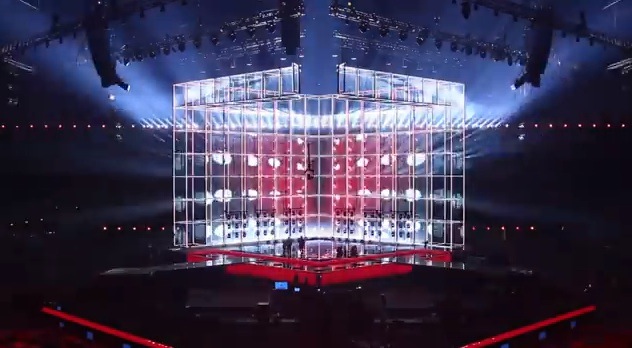
La última tecnología audiovisual al servicio del espectáculo, en este caso del Festival de Eurovisión 2014 celebrated the past 10 de mayo en Copenhague, no ha dejado indiferentes a espectadores, aficionados y asistentes a este evento musical europeo, cuyo escenario ha sido uno de los más innovadores en su historia.
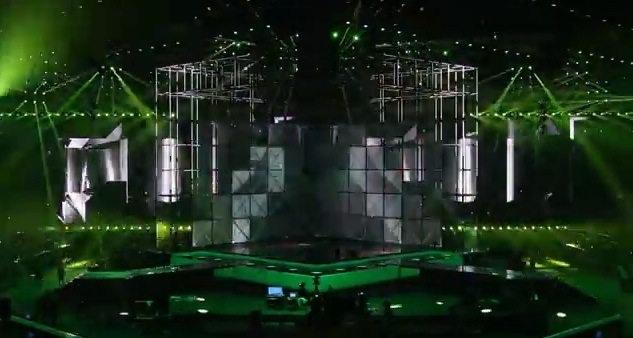
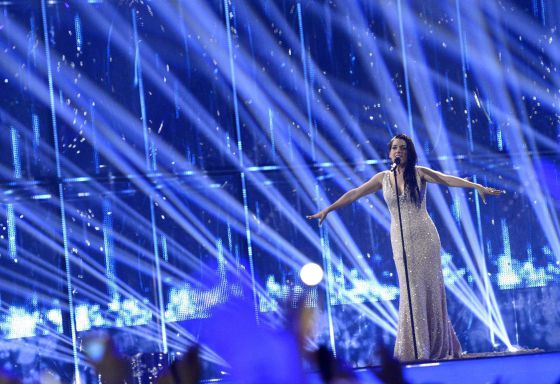 Los antiguos astilleros daneses, hoy convertidos en el B&W Hallerne Arena, se convirtieron en la noche del 10 de mayo en un despliegue tecnológico sin precedentes cuyo resultado ha sido un brillante espectáculo audiovisual, en el que la tecnología 3D configurada en un enorme cubo LED se configuraba en cada actuación de los concursantes, como ocurrió durante la actuación de la representante española, Ruth Lorenzo, con un efecto visual de la lluvia como elemento proyectado en el fondo del decorado y sobreimpresionado en la propia imagen en emisión fue impresionante.
Desde el punto de vista de proyección, la organización del festival volvió a decantarse un año más por la tecnología de la firma belga Barco, jugando como ya ocurriera en la pasada edición un papel destacado el proyector HDQ-2K40, con un total de dieciséis unidades, que se combinaban con igual número de proyectores del modelo HDX-W20 para mostrar las imágenes más brillantes.
Tecnología LED
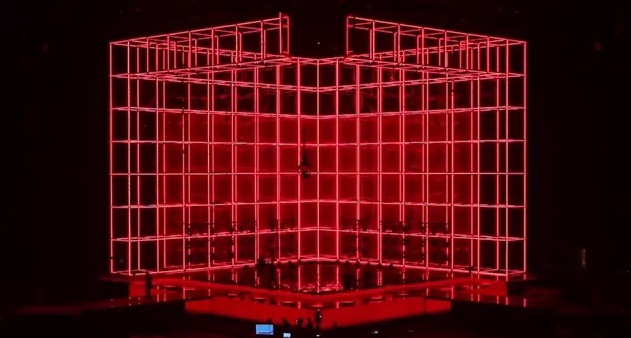
The Eurovision stage 2014 centraba el espectáculo en un gran cubo de LED (de 20×35 metros), composed of 120 módulos con una superficie especial en LED para proyección, lo que permitía la visualización de imágenes o animaciones. Al igual que en la edición 2013, MediaTec fue la empresa encargada de la integración de la tecnología de Barco en esta configuración.
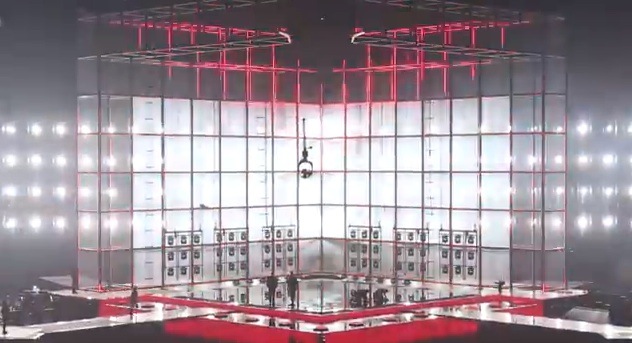 Diseñado por Claus Zier, el escenario tenía 20 metros de altura y 1.200 square meters, lo que le convierte en el mayor hasta la fecha construido en Dinamarca. Para el levantamiento de la estructura, que recordaba a los antiguos astilleros, se emplearon 40 toneladas de acero forradas de 3.000 luces fluorescentes, 730 de LED, así como una pantalla de policarbonato acrílico para la proyección de las imágenes en cada una de las actuaciones. Es de destacar que el suelo era sensible al tacto, por lo que las imágenes procedentes de los proyectores Barco podían interactuar con los artistas conforme caminaban por él.
En cuanto al audio, en el B&W Hallerne Arena, un sistema de PA de más de 11.400 kilos junto a 150 globos gigantes diseñados con 60.000 metros cuadrados de tela permitieron contar con un sonido nítido y de alta calidad en todo el recinto, con un eco de apenas tres segundos. En el transcurso de la gala se utilizaron veintidós cámaras.
Did you like this article?
Subscribe to our NEWSLETTER and you won't miss anything.
Related articles
 Claypaky dará vida al escenario del Festival de Eurovisión 2021
 El festival Aura 2019 convierte a Sintra en un lienzo de proyección con Christie como partner tecnológico
 Europalco convierte los eventos en espectáculos 4K de gran formato gracias a Christie
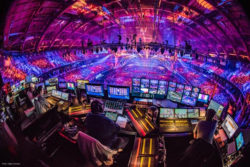 The Eurovision Song Contest 2018 based its staging on spectacular lighting
 Osram iluminará los espectáculos de Eurovision 2018 en Lisboa
 Led Screens, projectors with moving mirrors and optical effects, the other protagonists of Eurovision 2016
 Mira – Live Visual Arts Festival suma un nuevo escenario para shows audiovisuales inmersivos
 PRG buys XL Video and creates a giant for the audiovisual shows market
Osram, a través de su filial Clay Paky, iluminará el Festival de Eurovisión 2015
Microsoft will participate in the Eurovision Song Contest with its Azure cloud platform
Mira Festival 2015 abre la convocatoria para que los artistas audiovisuales presenten sus trabajos
Mira 2014 ofrecerá seis espectáculos inmersivos basados en técnicas audiovisuales
PRG buys XL Video and creates a giant for the audiovisual shows market
Osram, a través de su filial Clay Paky, iluminará el Festival de Eurovisión 2015
Microsoft will participate in the Eurovision Song Contest with its Azure cloud platform
Mira Festival 2015 abre la convocatoria para que los artistas audiovisuales presenten sus trabajos
Mira 2014 ofrecerá seis espectáculos inmersivos basados en técnicas audiovisuales
 Sonar 2014 jugó con la percepción de los asistentes con innovadores espectáculos audiovisuales y de iluminación
 Prague is transformed with the audiovisual and lighting installations of the Signal Light Festival